What to bring to a squash game
 By the Find My Squash Court team·
Updated ·
5 min read
Forget your shoes and you may not get on court. Forget a ball and you will be buying one at reception. A short checklist saves both.
The short answer
For a squash game, bring your racket, a ball suited to your level, indoor court shoes with non-marking soles, sports clothes and socks, a full water bottle and a towel. Add protective eyewear, a spare overgrip and, if you play often, a second racket. Bring whatever the venue needs to let you in: a membership card, a booking confirmation or the app with your door code. A change of clothes, a padlock or coin for the lockers and a few plasters cover the rest.
The essentials
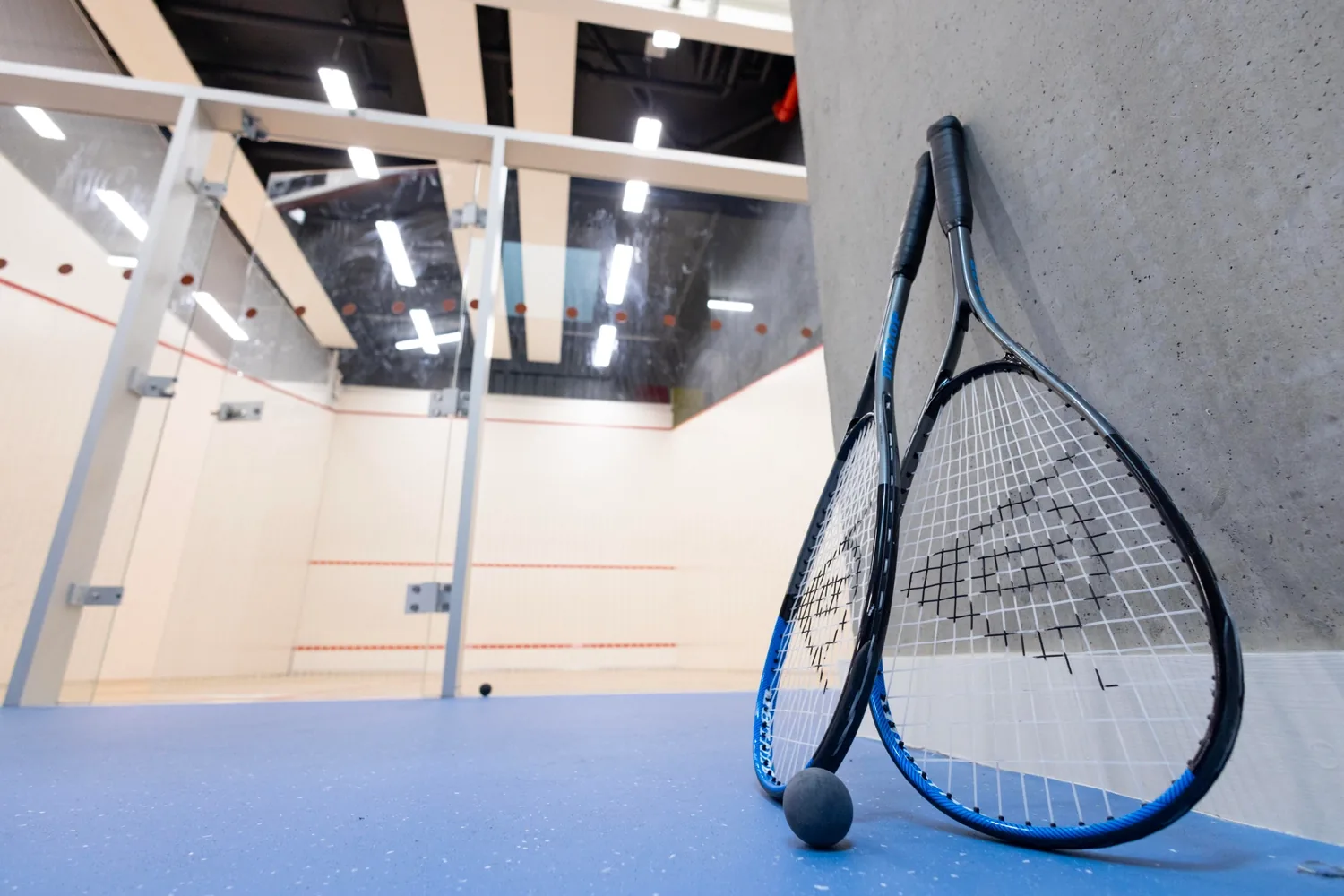
- Racket. If you do not own one yet, most leisure centres hire them at reception. Some venues do not: UCD Sport in Dublin and YMCA Taunton both ask players to bring their own racket and ball.
- Ball. See below. One per pair is enough, but bring a spare.
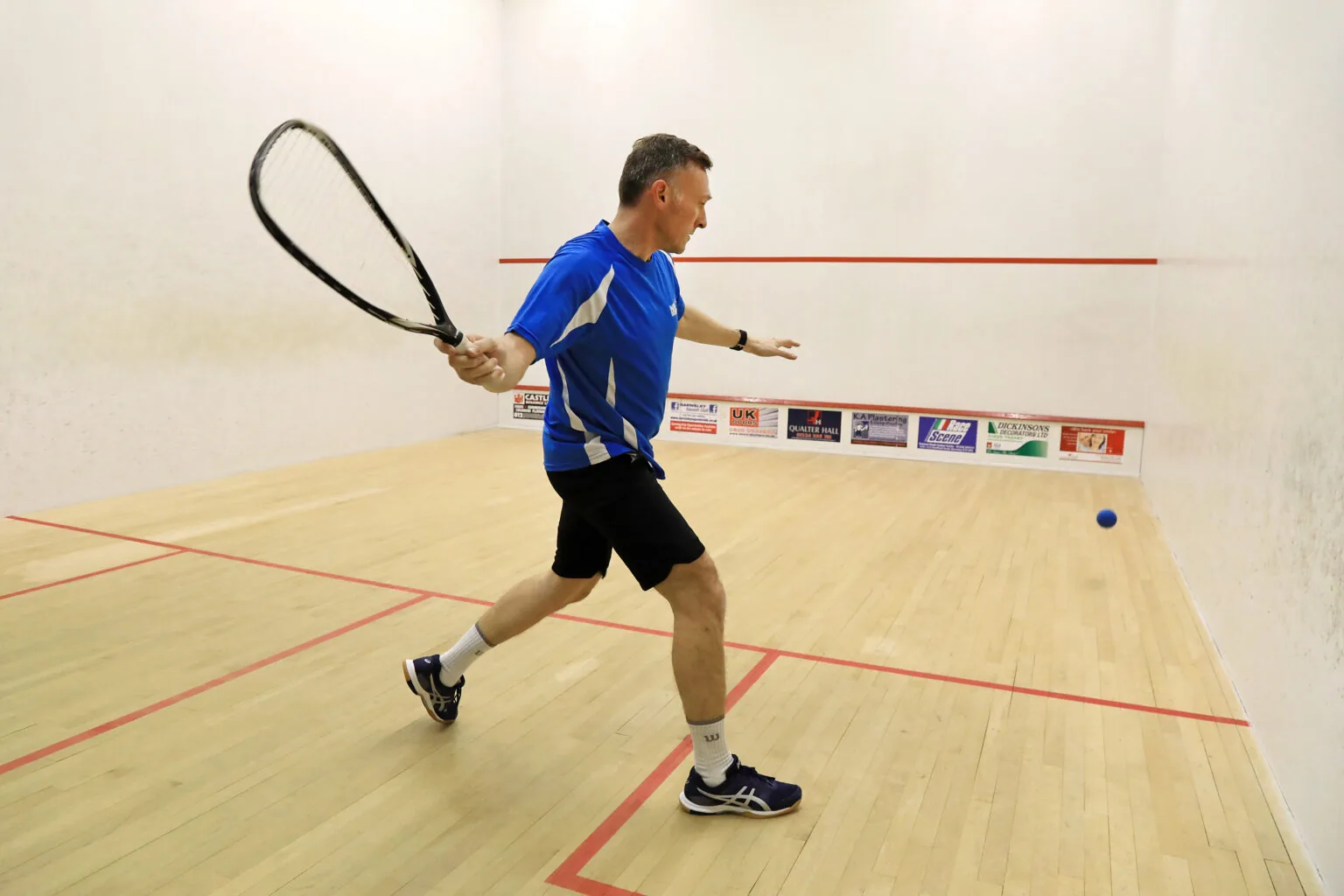
- Court shoes with non-marking soles. Most venues will not let you on court in black-soled or outdoor shoes. Carry them in the bag rather than wearing them in. Our guide to squash shoes explains why.
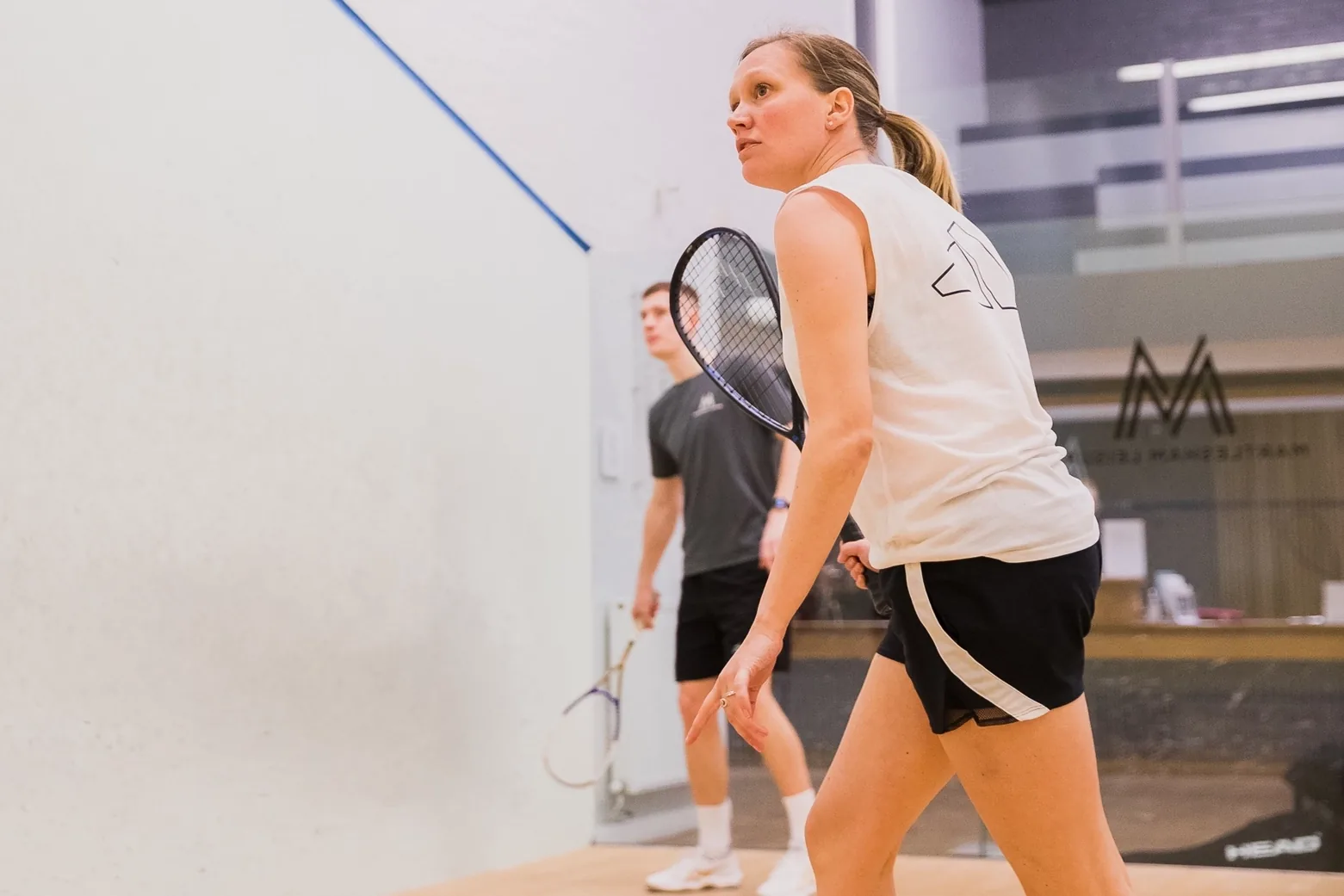
- Sports clothes and socks. Light, sweat-wicking fabric. See what to wear for squash.
- Water. A full bottle, more for a club night or a long match. You sweat a lot in a small court and there may be only one fountain in the building.
- Towel. Wipe your hands and grip between games; a dry grip is easier to control.
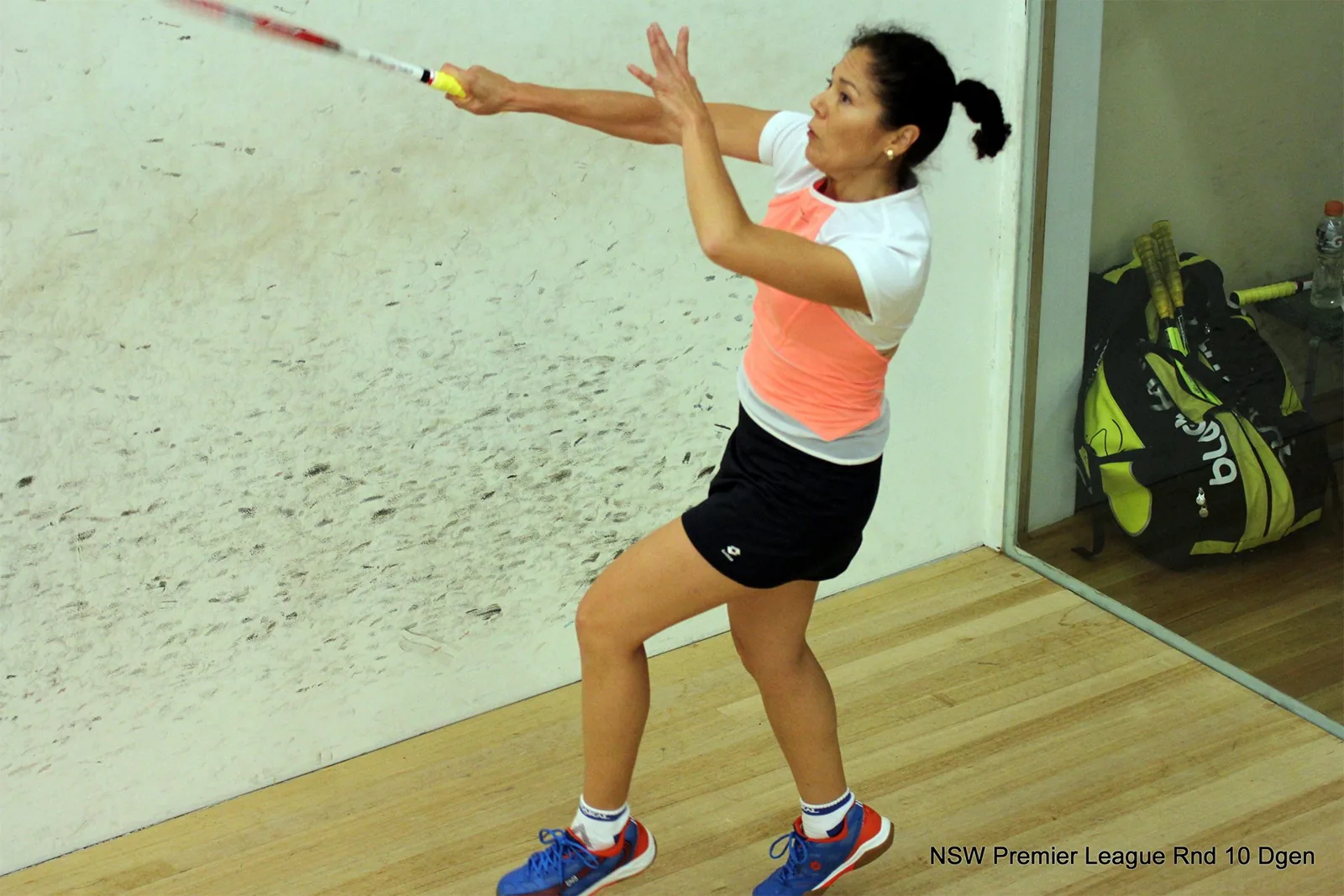
Which ball to bring
Squash balls are graded by the coloured dots on them. More dots means less bounce, and a harder game to keep the ball alive. The double yellow dot ball is the standard ball for competitions and experienced club players. It needs a proper warm-up before it bounces properly.
Beginners and casual players are better off with a single yellow dot, or one of the faster, bouncier balls, often marked with a red or blue dot, that make rallies easier. Our guide to squash ball dots has the full list, and why you warm up a squash ball explains the bounce.
Leisure centres usually sell balls at reception. In our directory, London's Oasis Sports Centre lists balls at £3, Aston Woodcock in Birmingham at £2.90 and Fox Hollies in Birmingham at £2.80 (UK, 2026). Cheaper to bring your own.
Useful extras
- Protective eyewear. Required for juniors and doubles in competitions, recommended for everyone. See squash goggles.
- Spare overgrip. Takes two minutes to fit if yours goes slippery. See how to regrip a squash racket.
- Second racket. Once you play regularly. A broken string mid-match otherwise ends your game.
- Wristband and headband. For sweat.
- Spare shirt. For club nights or a second match.
- Plasters and tape. Blisters on the racket hand and heels are common in the first few weeks.
- Small snack. A banana or cereal bar for longer sessions.
- Shower kit and a change of clothes. Most venues have changing rooms with showers.
- Padlock or coin. Many leisure-centre lockers take a coin or your own lock.
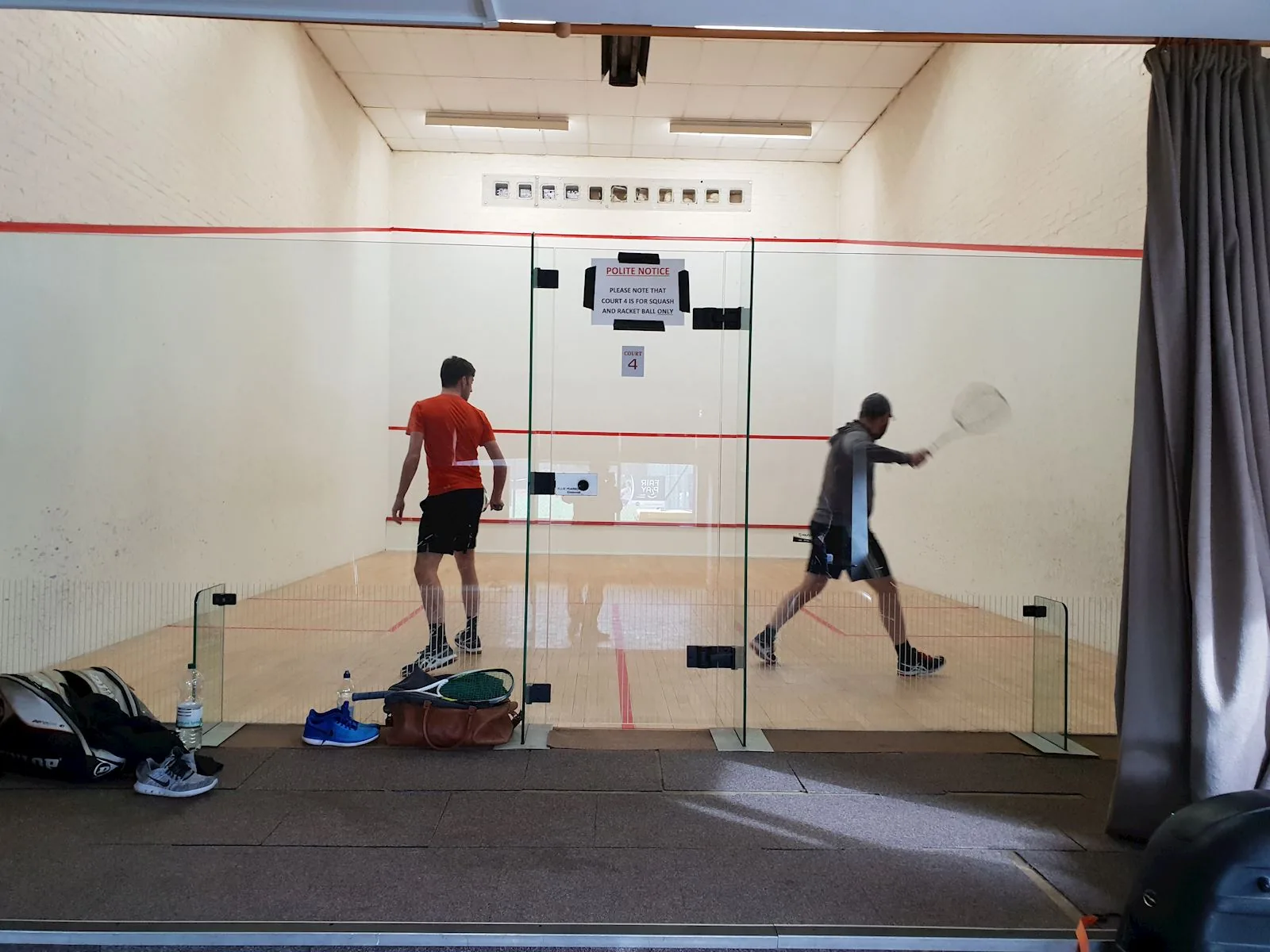
What stays out of the court. Bags, bottles and phones go outside the court or in the corner by the door, not on the playing floor. A ball can hit a bottle or bag and you can trip over it. Check the venue's rules: some ask for bags in lockers.
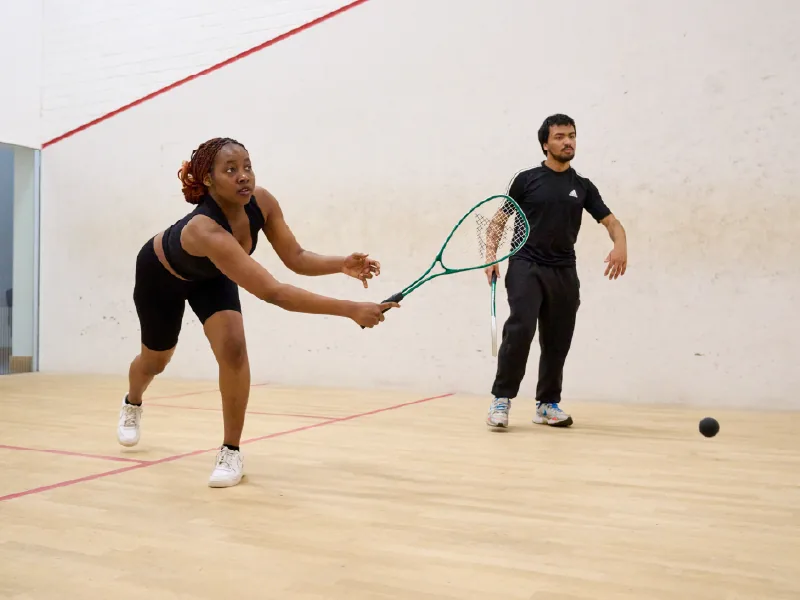
Booking, entry and payment
Many venues are now self-service. Before you set off, check you have what lets you in:
- Booking confirmation or the venue app open on your phone. Most leisure centres ask you to check in at reception.
- Door or court code. Some clubs send a PIN with your booking. At Dural Squash and Fitness in Sydney, bookings for unstaffed hours get a door code by email, and rackets and balls can be hired from a vending machine.
- Membership or leisure card if you pay a member or resident rate.
- Payment for hire if you need a racket. Racket hire in our UK listings runs from about £1 to £3 (2026).
Our guide to booking a squash court covers apps, booking windows and cancellation rules.
Choosing a bag
A gym bag works fine to start with. Once you have two rackets and play several times a week, a racket bag is easier:
- Racket bags hold several rackets in a long compartment, with separate pockets for shoes and wet kit.
- Backpacks with a racket sleeve suit one or two rackets and cycling to the club.
- A separate shoe bag keeps court shoes clean and grit-free.
Avoid leaving rackets in a hot car. Heat can affect the strings and frame.
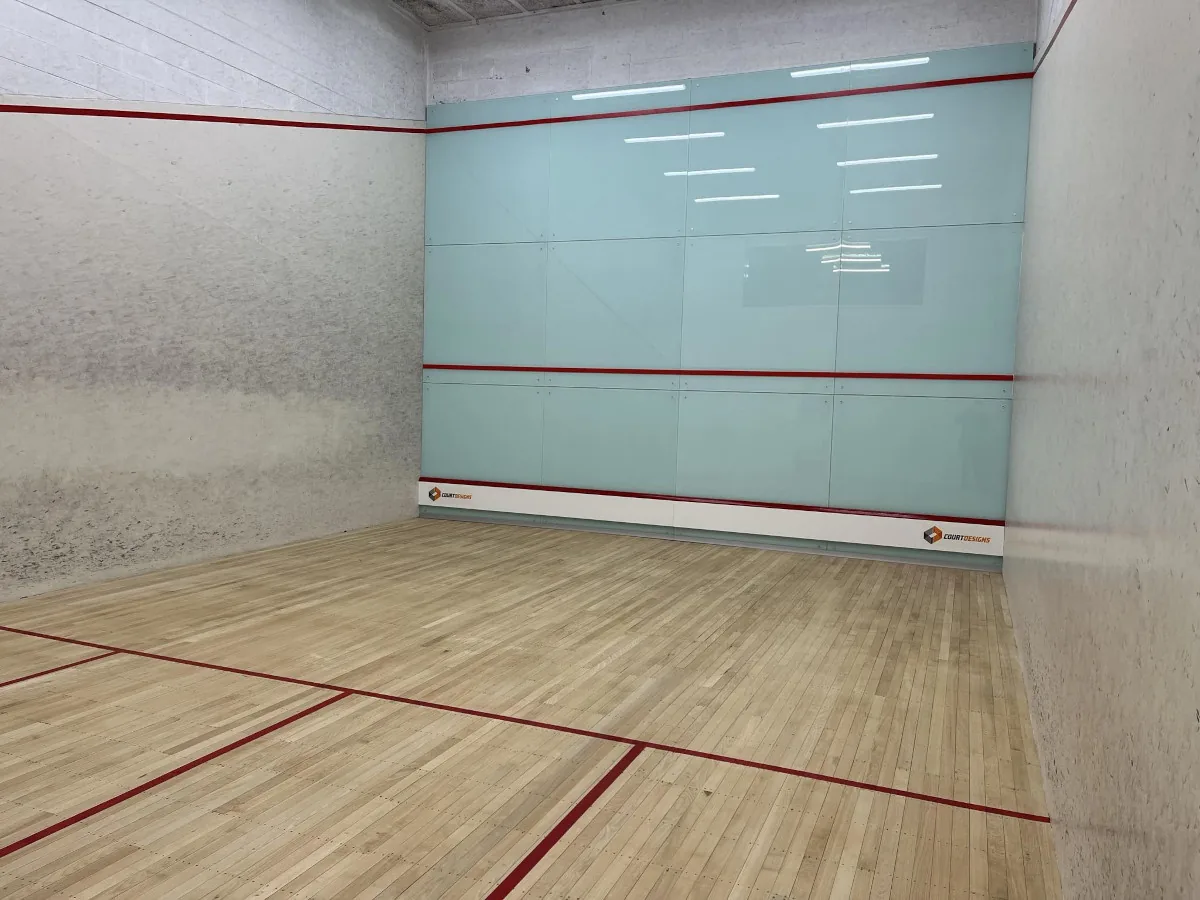
Thorndon Tennis and Squash Club
Wellington · Free loan racquets
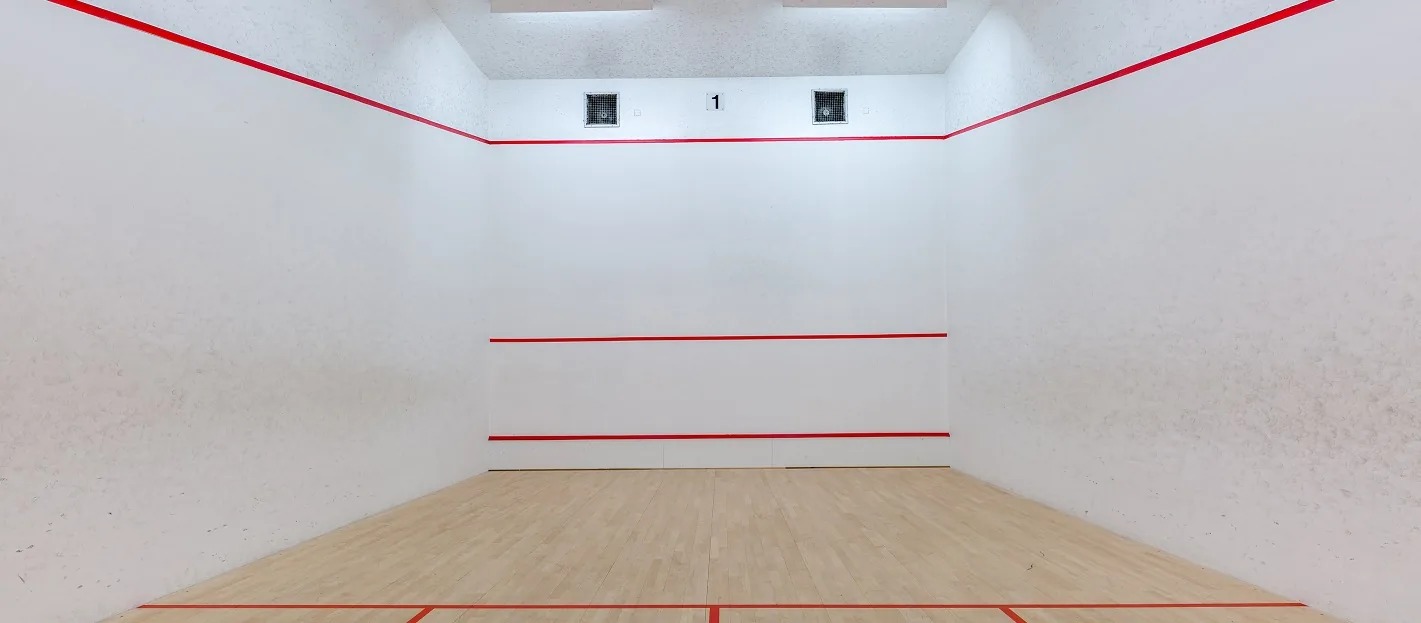
Oasis Sports Centre
London · Racquet hire £3
UCD Sport Facilities (Belfield)
Dublin · Bring your own kit
FAQ
Do squash courts provide rackets?
Many leisure centres hire rackets at reception, usually for a pound or two in the UK. Some venues do not provide any equipment, so check the venue page before you go.
What ball should a beginner bring?
A single yellow dot or a bouncier beginner ball. The double yellow dot ball is made for experienced players and is hard to keep in play for newcomers.
Can I wear my court shoes to the club?
Better not. Grit from outside scratches the court and wears the soft sole. Carry them in your bag and change at the venue.
Do I need to bring my own water?
Yes. Squash is a sweaty game in a small space, and venues may have only one water fountain. A full bottle per hour of play is a sensible minimum.