How to find someone to play squash with
 By the Find My Squash Court team·
Updated ·
5 min read
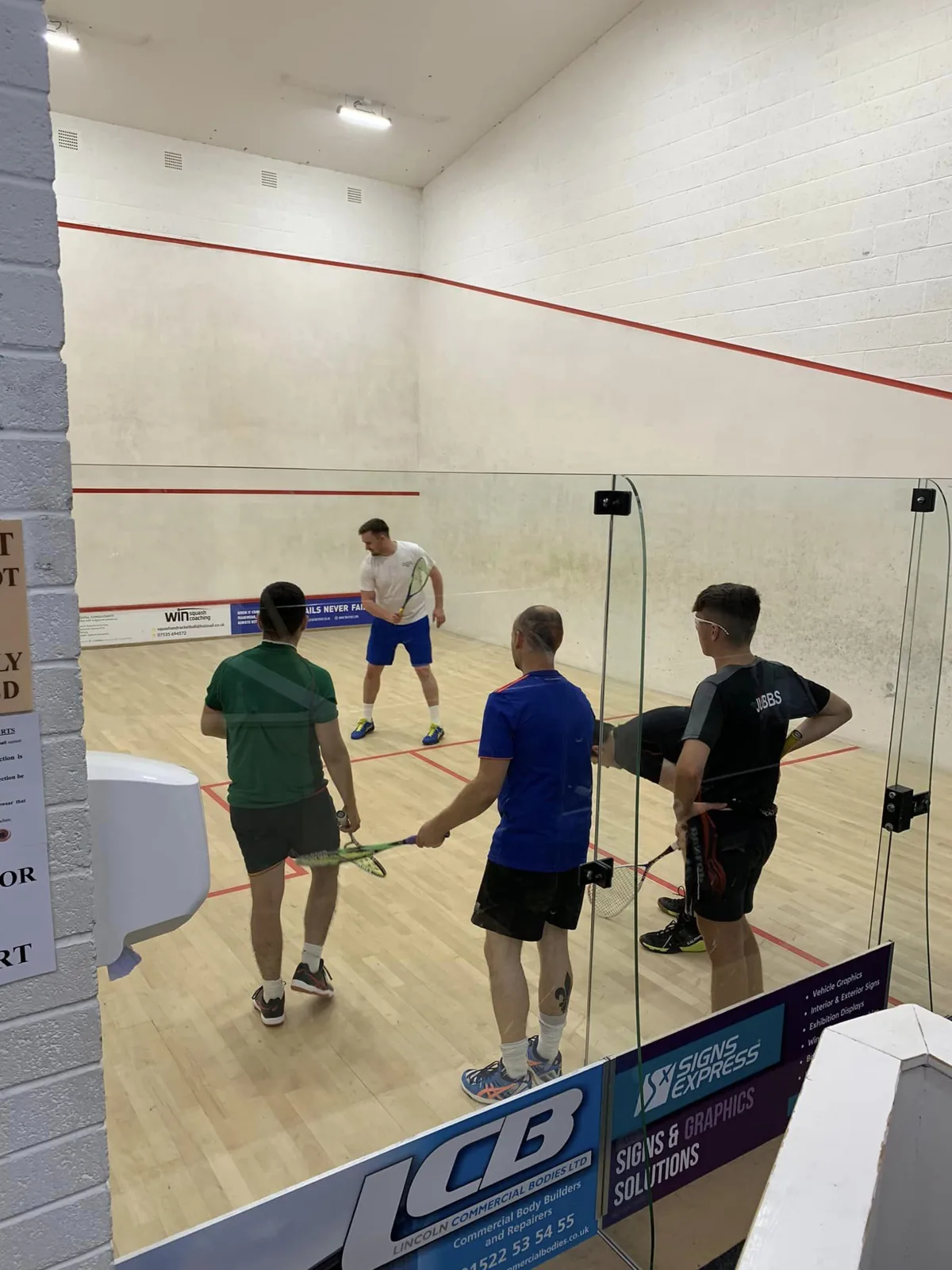
The hardest part of squash is often not the sport. It is finding someone at roughly your level who is free on Tuesday at 7pm. The good news is that squash clubs are built to solve exactly that problem, and most will take you even if you know nobody.
The short answer
The quickest way to find a squash partner is a club night. Most squash clubs run one or two a week, where you turn up and get paired with players of a similar standard. Non-members usually pay about £2.50 to £10 in the UK in 2026, and many clubs let newcomers try one free. After that, join a box league: it hands you a group of opponents at your level and a deadline to play them. Beginner courses, leisure centre drop-ins and women's sessions are other good routes in.
Go to a club night
A club night is a set evening when members and visitors turn up, put their names down and get matched for short games. Someone, usually a club captain, mixes people up so you play several opponents in one evening. You do not need a partner to come, and you do not need to be good.
Prices for non-members at clubs in our directory, checked in 2026:
- £2.50: Open Club Night at the Allam Sport Centre, University of Hull
- £3.50 a player: Monday club night at Norton Squash Club, Middlesbrough
- £5: Canford Squash Club, Bournemouth; Windsor Tennis Club, Belfast (Thursdays)
- £8: Friday Club Night at Leicester Squash & Racketball Club
- £10: Southdown Sports Club, Brighton (Wednesdays)
- Free taster: Blackpool Cricket Club (Mondays) and Western Health Racquets Club in Glasgow (Sundays)
In New Zealand, Island Bay Tennis and Squash in Wellington charges non-members NZ$5 for its Monday club night. In Australia, Marconi in Sydney runs a Friday social hit-up at A$15 a player, and Taylor Range Club in Brisbane charges non-members A$10 for its social squash sessions.
Email or phone the club first. Club nights sometimes pause in summer or clash with team matches, and the organiser can tell you which night suits your level.

Join a box league or ladder
Once you have been to a few club nights, a league is the best way to keep playing. In a box league you are placed in a small group of players at a similar level, and you arrange a match with each of them within a set period, often a month. Win and you move up a box, lose and you drop down. Either way you have a fresh list of opponents, with phone numbers, every round.
Ladders work in a similar way: you challenge players just above you. Banbury West End, Kelsey Kerridge in Cambridge and Luton & Dunstable Squash Club at Lewsey Sports Park all run ladders. Our guide to box leagues and ladders explains the formats, and joining a squash league covers how to sign up.
Join a beginner course
A group course puts you on court with people who started at the same time as you, which is ideal for finding a partner of the same level. Examples from our directory:
- Hull and East Riding Squash Club: six weeks of adult beginner coaching for £40, equipment provided.
- University of Cambridge Sports Centre: five-week group courses for £50, open to non-members.
- Hamilton Squash and Tennis Club, New Zealand: six-week beginner programmes at NZ$80, with separate groups for women and men.
- Club Kelburn, Wellington: Sunday Social Squash for beginners at NZ$10, no booking needed.
At the end of the course, swap numbers with the two or three people nearest your level. See squash lessons for adults for what to expect.

Leisure centre drop-ins
Some leisure centres run their own sessions where you just turn up. Sobell Leisure Centre in Islington has social drop-ins on Fridays and Sundays, and Britannia in Hackney has a Wednesday evening drop-in. Fox Hollies in Birmingham has a weekly ladies' community squash session listed by the council at £2 a person. Ask at reception too: many leisure centres are home to a squash club, and staff know when it meets.
Cities with the most clubs running squash leagues in our directory:
Other ways to meet players
- Work and university clubs. Many universities have student squash clubs, and some large employers have social sports groups.
- Local social media groups. Neighbourhood groups and local squash pages often have "anyone for a game?" posts. Meet at a public venue and book the court yourself.
- Ask the coach. Club coaches know everyone and can introduce you to a good match.
- Try racketball first. Many clubs run racketball sessions on the same courts, and the bigger, slower ball makes it easier for mixed levels to play together.
Between games you can practise on your own, which helps you keep up with a new partner. See can you play squash alone.
Be honest about your level. Say "I've played about ten times" rather than "intermediate". Organisers can only match you well if they know where you are, and an even game is more fun for both players.
How to keep a regular partner
- Book the next game before you leave. A permanent weekly slot is easiest. Some venues discount it.
- Split the court fee without fuss. Take turns to book and pay.
- Have two or three partners. People get injured, busy or go on holiday.
- Mix it up. If one of you is much stronger, play condition games, such as the stronger player hitting only to the back of the court.
Ickleford Squash Club
Luton · Club nights twice a week
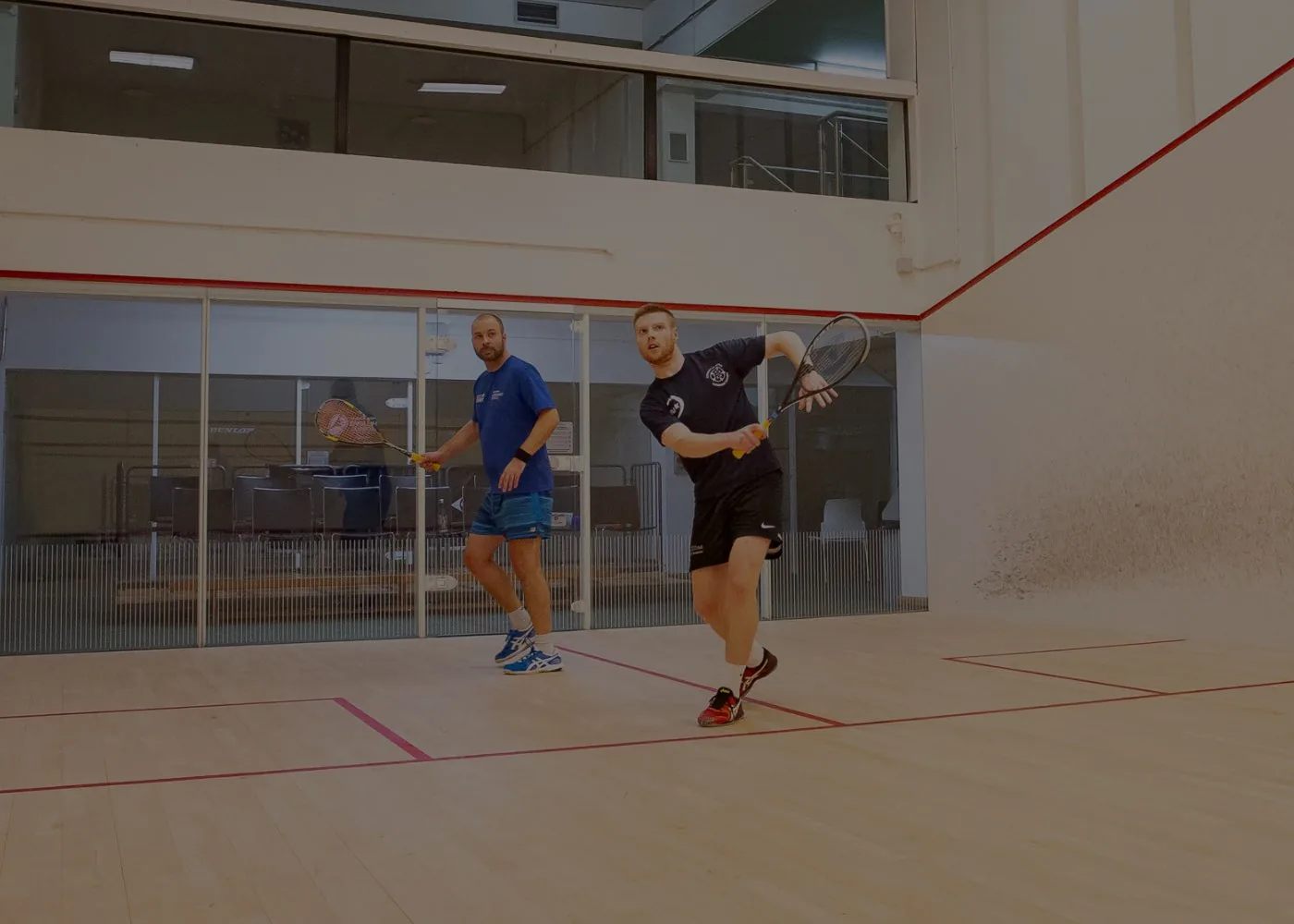
Allam Sport Centre, University of Hull
Hull · Open club night

Taylor Range Club
Brisbane · Social squash
FAQ
Can I go to a squash club night on my own?
Yes. That is what club nights are for. The organiser pairs you with other players, so you do not need to bring a partner.
How do I find a squash partner at my level?
Join a box league. You are placed in a small group of players at a similar standard and move up or down as results come in.
Do I have to be a member to go to a club night?
Not usually. Many clubs let visitors attend for a small fee or a free taster before they join. Check with the club first.
Is there an app to find squash partners?
There is no single one. Clubs often run ladders and leagues on their booking system, so joining a local club's system is the most reliable way to find opponents.