Can you play squash on your own?
 By the Find My Squash Court team·
Updated ·
5 min read
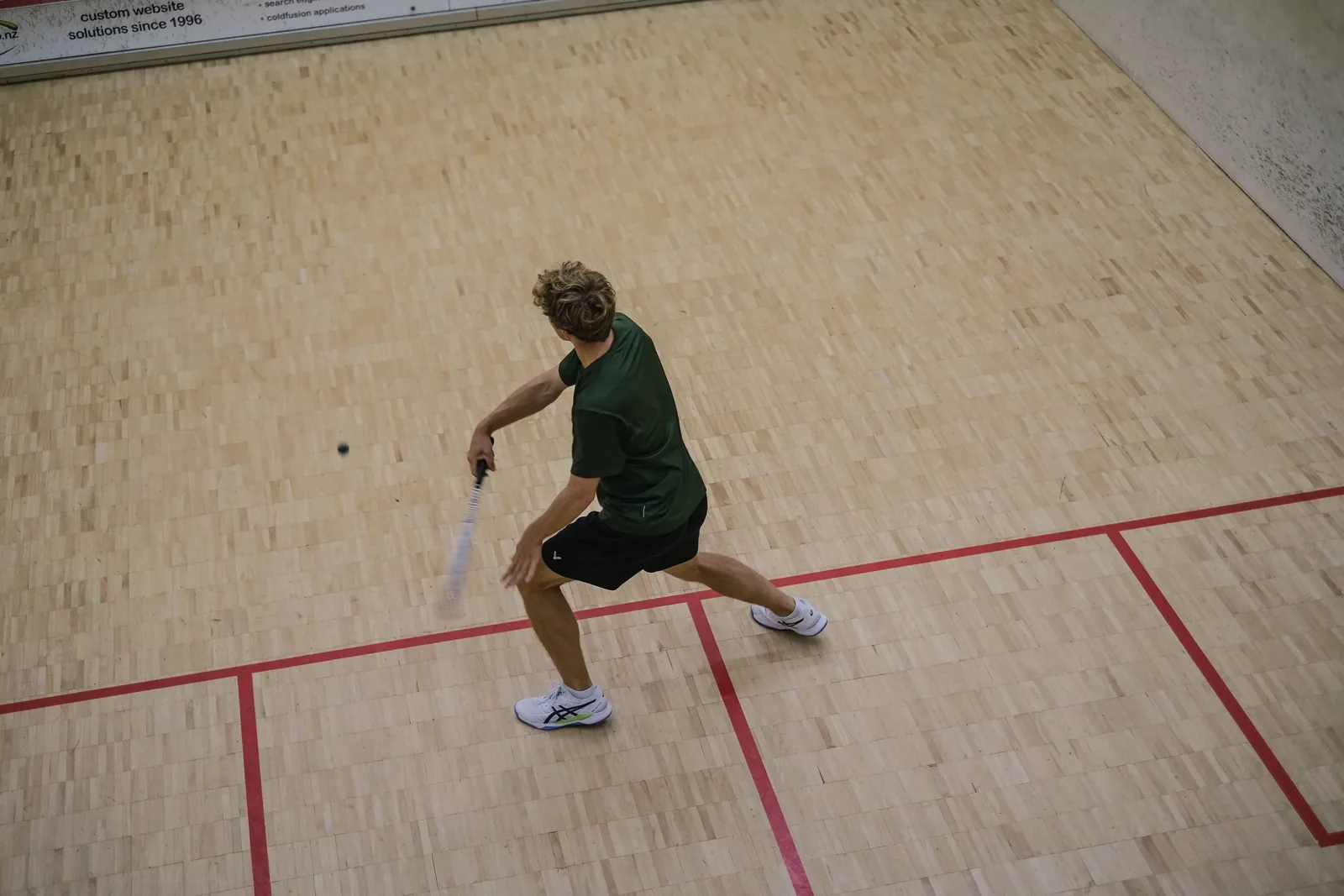
Squash is one of the few racket sports you can practise properly on your own. The front wall sends every shot back, so a solo session can be as useful as a game, and sometimes more.
The short answer
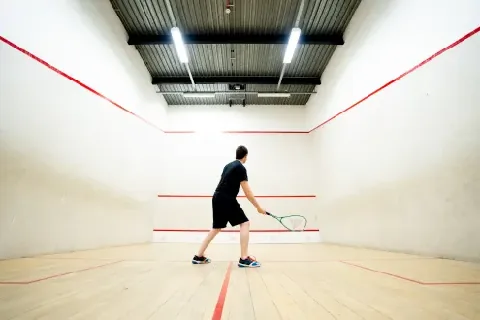
Yes. You can book a squash court for yourself and practise alone, because the walls return the ball to you. Solo sessions are how most good players groove their drives, volleys and boast shots. You cannot play a match on your own, but you can hit drills, play target games against yourself and do ghosting, which is movement practice without a ball. Most venues let you book a court for one person at the normal price. Warm the ball well, as it cools quickly when only one person is hitting.
Booking a court for one
Most leisure centres and pay and play clubs charge per court, not per player, so a solo booking costs the same as a game for two. Online systems rarely ask for a second name. A few clubs reserve peak evening slots for games and ask solo players to use quieter times, so check the booking rules if you plan to practise at 6pm on a weekday.
Some venues make this easy. Dural Squash and Fitness in Sydney takes online bookings for hours when no staff are on site and emails a door code, so you can practise on your own while the centre is quiet.
Solo drills that work
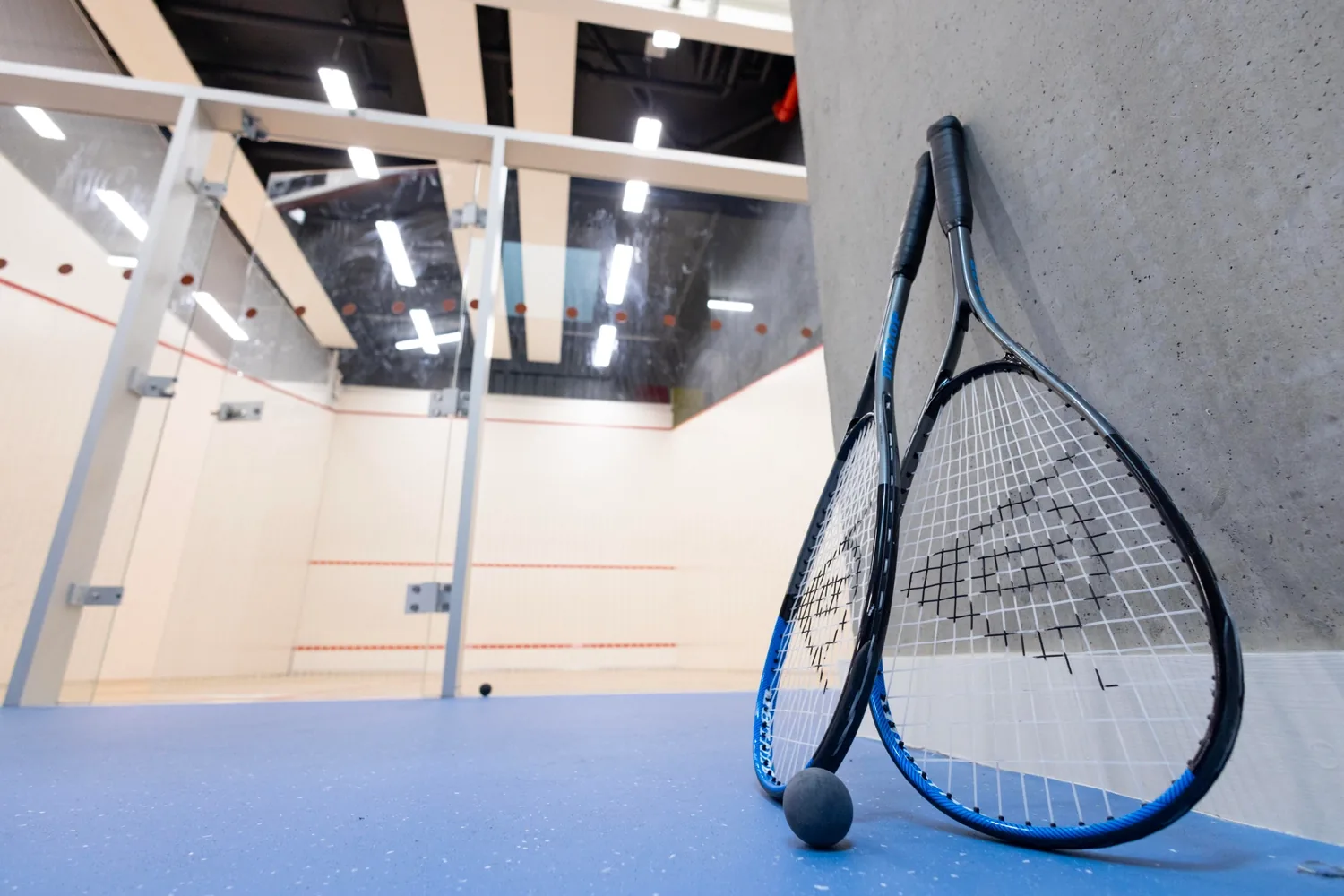
Start every drill with a warm ball. On your own it cools faster than in a game, so hit hard for two or three minutes first and give it another hard hit or two whenever it starts to die. A blue or red dot ball helps if you are newer, as it gives you more time.
Straight drives
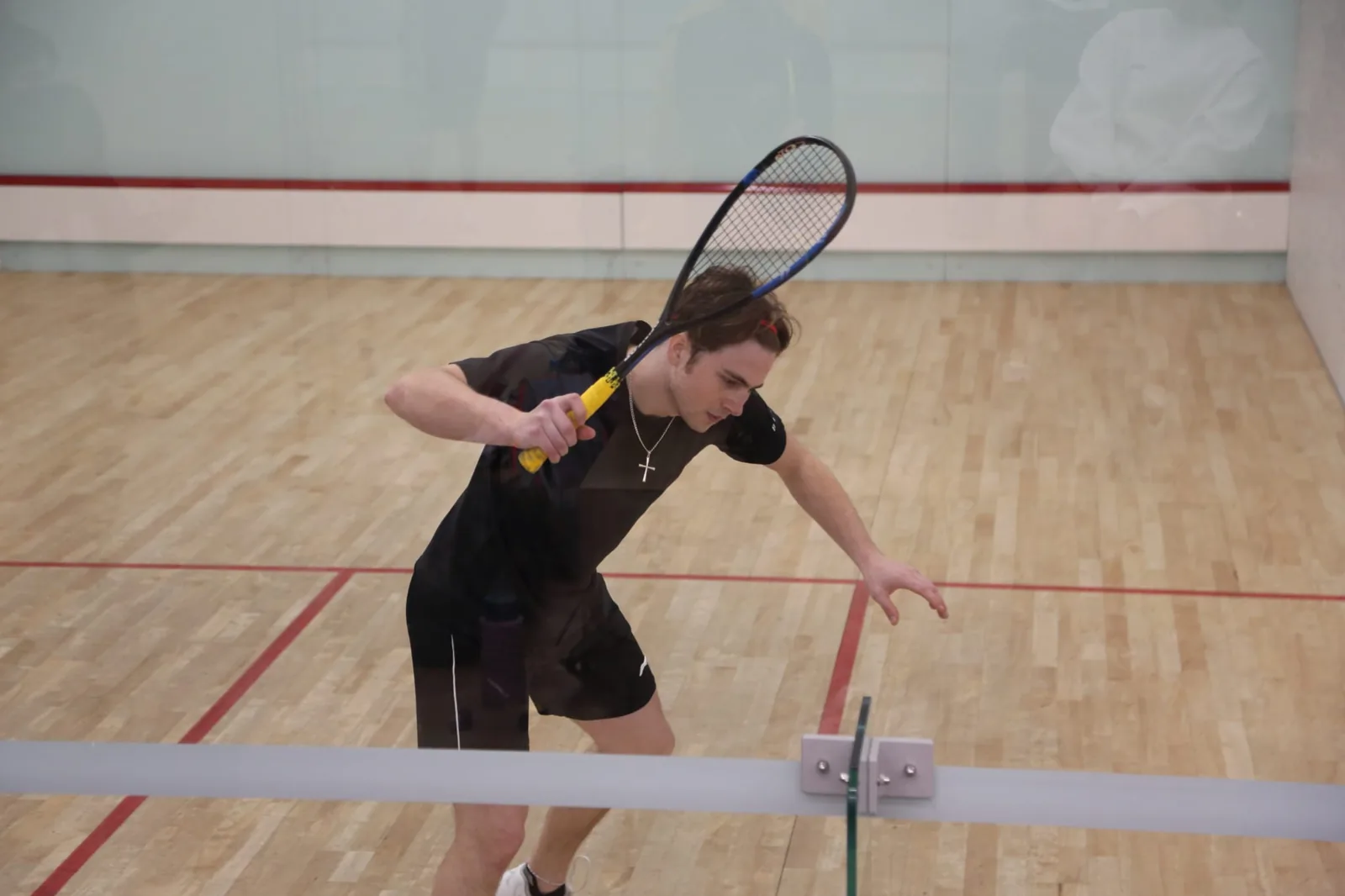
Stand behind the short line near one side wall. Hit the ball along the wall to the front, let it bounce, and hit it again. Aim for the ball to pass close to the side wall and land past the short line. Count your best run without a miss, then switch to the backhand side. This is the drill every coach starts with, because the drive is the shot you play most in a match.
Service box targets
Drive the ball so that it lands in the service box on your side. Count how many land in out of 20. Then try to hit the back corner without the ball coming off the back wall too far.
Volley drives
Move a little nearer the front wall and hit the ball before it bounces, again and again, along the side wall. This trains a short, firm swing and quick hands.
Figure of eight
Stand near the T and hit the ball high onto the front wall so that it bounces to the side wall and comes back to you. Then hit it to the other side. Done on the volley it is a hard drill, so let it bounce at first.
Boast and drive
Hit a boast (into the side wall first, so it travels across to the front wall) from the back corner, run forward, and drive the return straight back down the wall. It mixes hitting with movement and gets your heart rate up.
Our guide to solo squash drills covers more routines, with progressions for each.
A 40 minute solo session
A simple plan stops you hitting aimlessly. This one fits a standard 40 or 45 minute booking:
| Minutes | What to do |
|---|---|
| 0 to 5 | Warm up your body and the ball: light movement, then firm drives |
| 5 to 15 | Straight drives, forehand then backhand, counting your best run |
| 15 to 22 | Volley drives on both sides |
| 22 to 30 | Service box targets, 20 balls each side |
| 30 to 37 | Boast and drive, or figure of eight |
| 37 to 40 | Practise your serve to both boxes |
Write down your best counts. Seeing your straight drive run go from 8 to 25 over a month is a good reason to keep coming back.
Ghosting: practice without the ball
Ghosting means moving round the court and swinging at imaginary shots. You start on the T, move to a corner, play a shadow shot and return to the T. It trains footwork and fitness at the same time, and club players use it for interval training. You can do it on a court, or in any space about the size of one. See ghosting in squash for set patterns and timings.
Mix it up. Twenty minutes of drills followed by ten minutes of ghosting gives you skill work and a hard workout in the same booking.
What solo practice cannot do
Solo practice makes your shots consistent, but it cannot teach you to read an opponent, deal with pace you did not choose, or move around another person on court. Those come only from games. A good mix for a keen improver is one solo session for every one or two matches.
If you are short of opponents, our guide on how to find a squash partner covers club nights, apps and box leagues.
FAQ
Is it weird to book a squash court on your own?
No. Solo practice is common at every level, and staff are used to it. Club players often book a court alone to work on one shot.
Does it cost the same to book a squash court for one?
Usually yes. Most venues charge per court for 40 or 45 minutes, whether one or two people play. A few charge per person.
Why does the ball stop bouncing when I practise alone?
Squash balls need heat to bounce. With only one person hitting, the ball cools between shots. Hit it hard every so often, or use a bouncier blue or red dot ball.
Can you play squash alone against the wall at home?
Only on a proper court. A squash ball needs a hard, flat wall and a floor with space around it, and a heavy hit can mark plaster. A court booking is the practical option.