Squash vs tennis
 By the Find My Squash Court team·
Updated ·
5 min read
Many clubs in the UK, Ireland, Australia and New Zealand are tennis and squash clubs, and plenty of members play both. The two games share a racket and a ball, and not much else.
The short answer
Tennis is played outdoors or indoors on a large court with a net, singles or doubles, with players on opposite sides. Squash is played indoors in a small walled court, with both players sharing the same space and hitting against the front wall. Squash is the more intense workout per minute and is harder to start, but it works in any weather and fits into a 40 minute booking. Tennis is easier to rally at first, more sociable as doubles, and often cheaper to play casually on park courts.
Side by side
| Squash | Tennis | |
|---|---|---|
| Court | 9.75 m × 6.4 m, four walls | 23.77 m × 8.23 m (singles), 10.97 m wide for doubles |
| Where | Indoors | Outdoors or indoors |
| Players | Mostly singles | Singles or doubles |
| Ball | Small hollow rubber ball, slow | Felt-covered, pressurised, lively |
| Scoring | Point a rally, games to 11, best of five | 15, 30, 40, game; sets of six games |
| Usual booking | 40 or 45 minutes | One hour |
| Energy cost (Compendium) | 7.3 METs, general play | 8.0 METs singles, 6.0 doubles |
The court
A tennis court is long and open, with a net 0.914 m high at the centre. Each player or pair keeps to their own half, and the ball must land inside the lines on the other side.
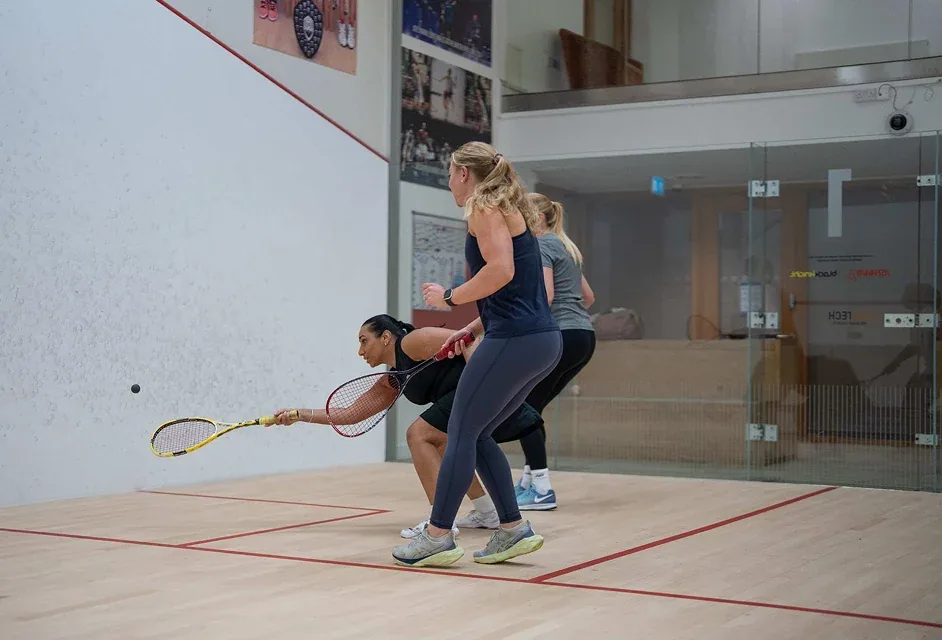
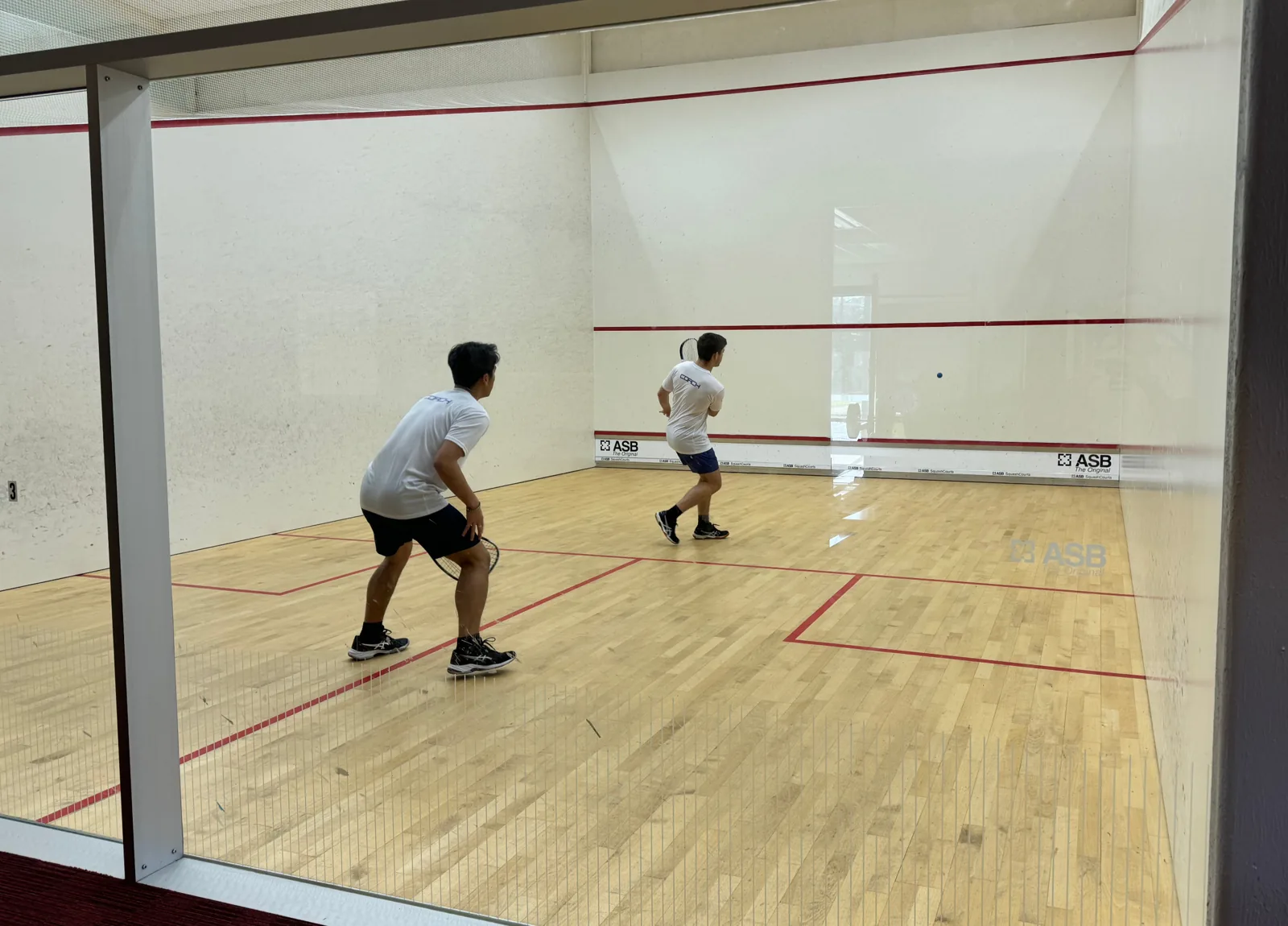
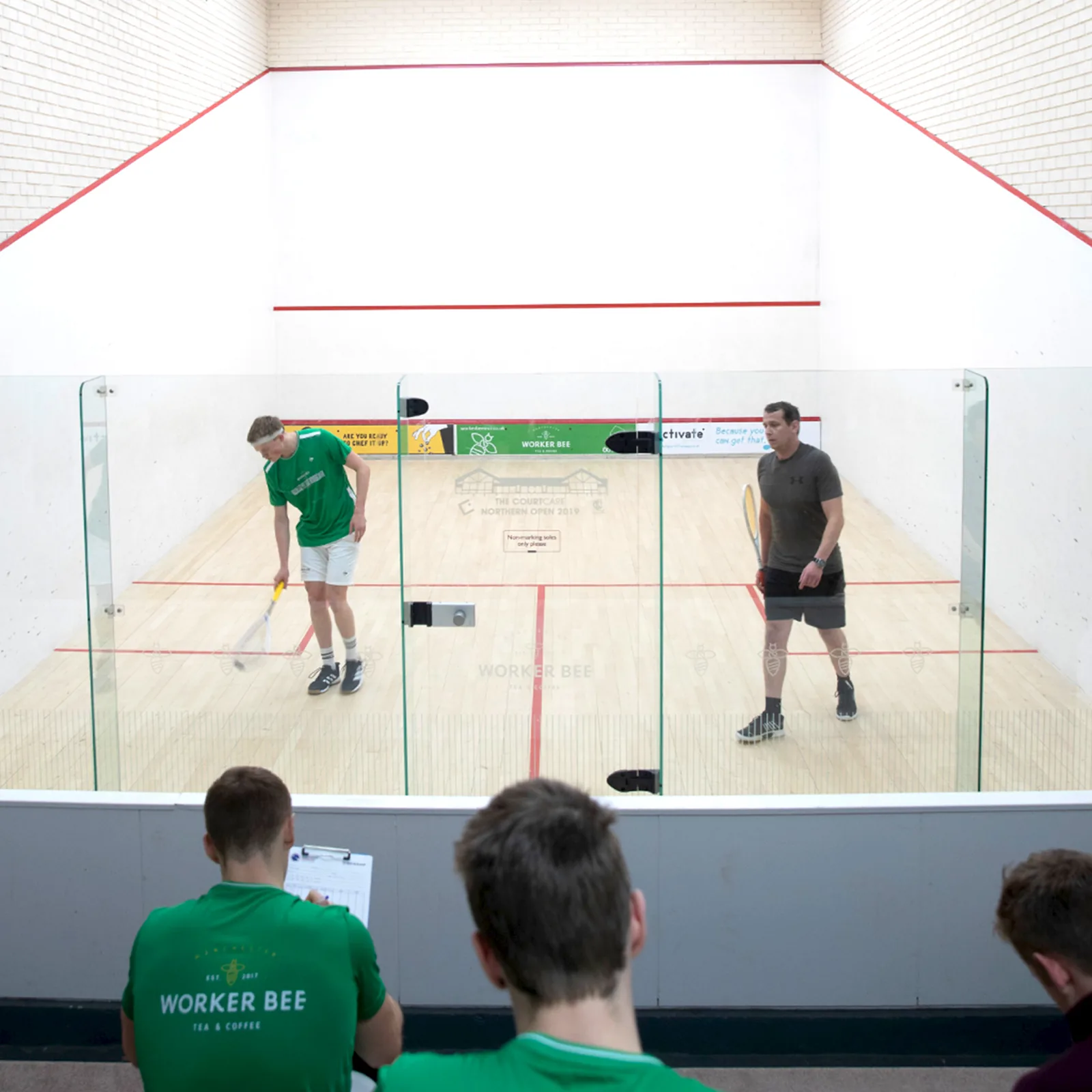
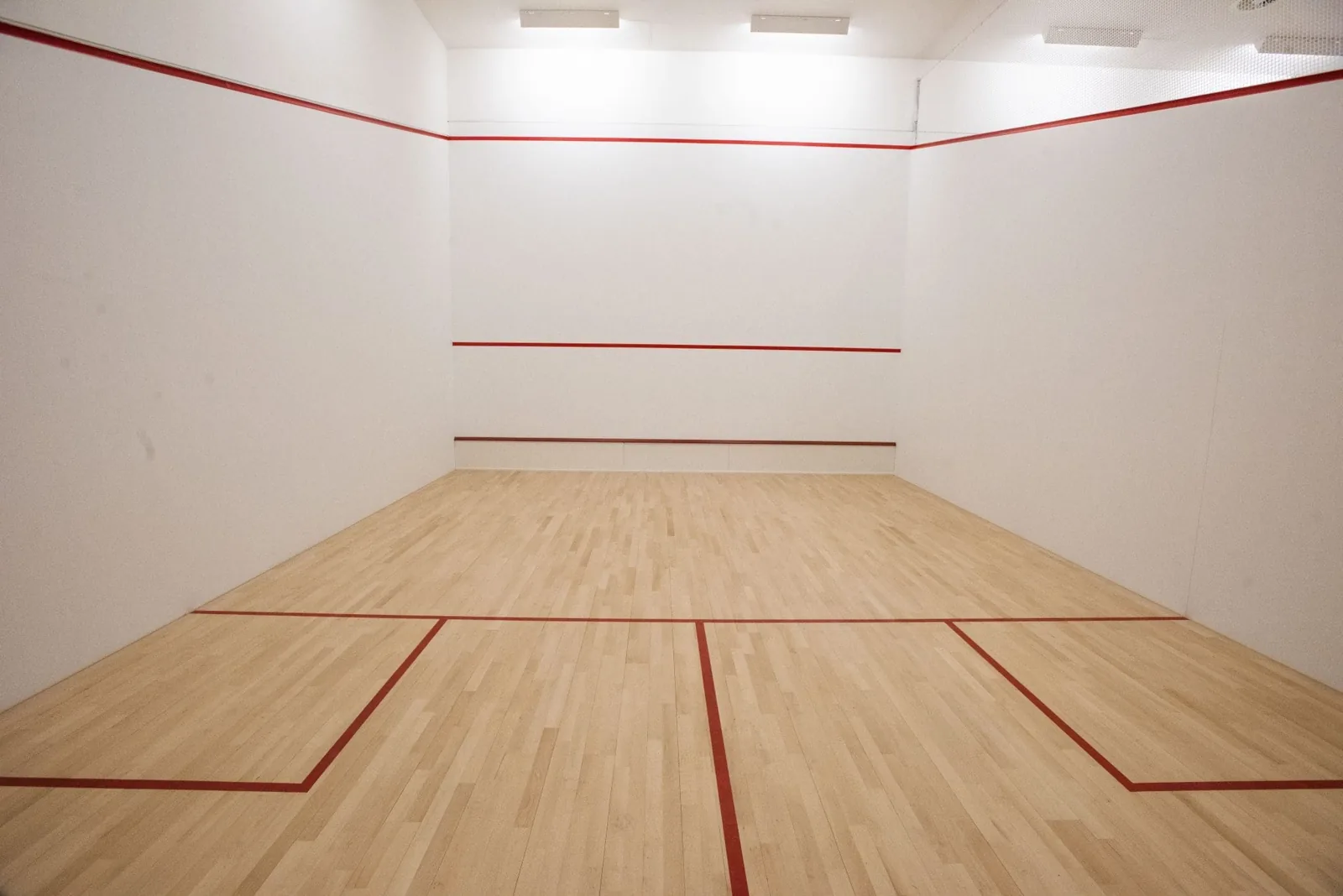
A squash court is a closed box less than half the length of a tennis court. There is no net. Both players stand in the same space and take turns hitting the front wall, between the tin at the bottom and the out line at the top. You use the side and back walls too. Because you share the court, you must clear the way for your opponent after each shot, and that is where the let and stroke rules come from. See squash court dimensions for exact sizes.
Rackets and balls
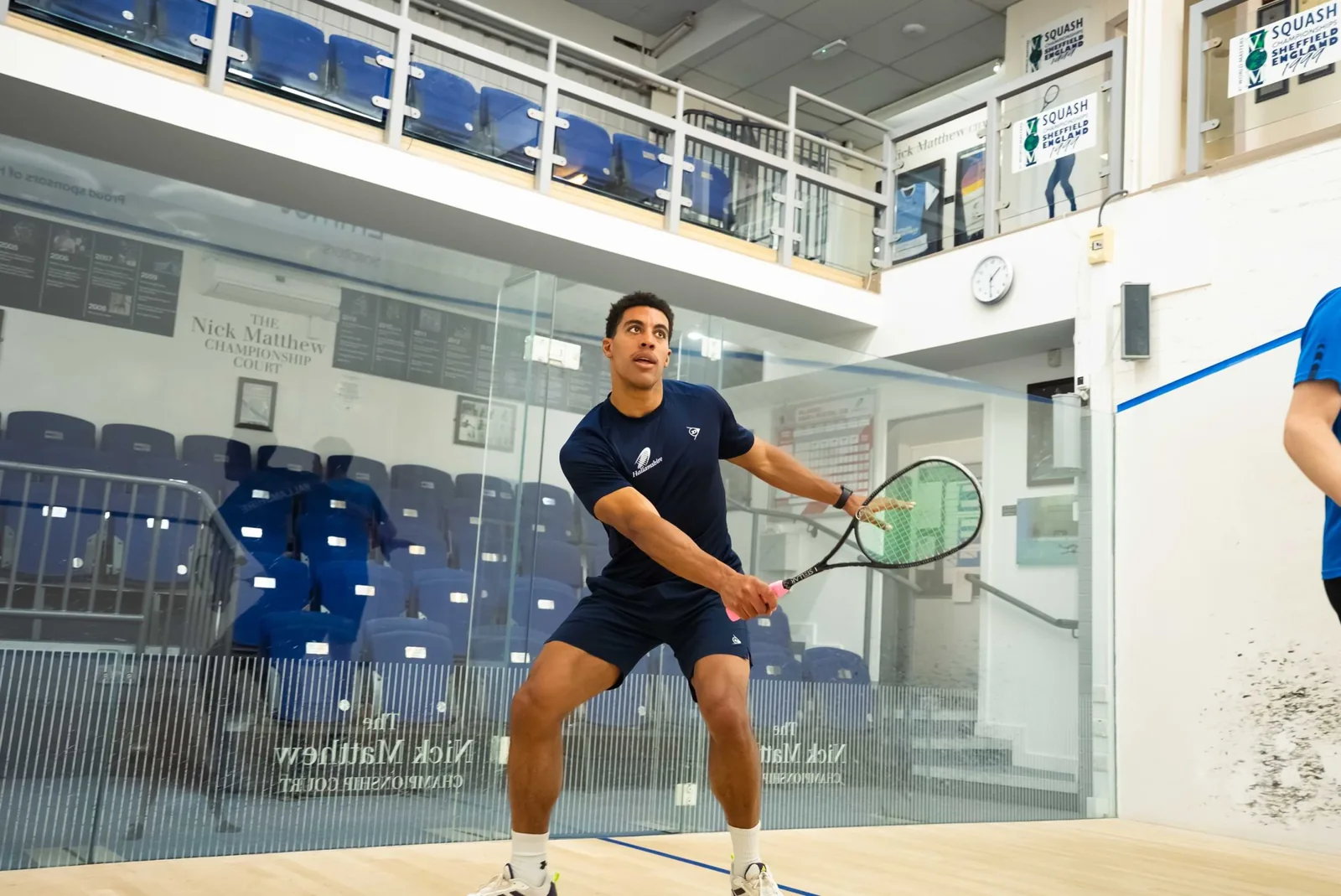
Squash rackets are longer, lighter and thinner in the throat than tennis rackets, with a small head. Tennis rackets are heavier, with a larger head, to drive a heavier ball over a long court.
The balls behave in opposite ways. A tennis ball is lively and comes to you. A squash ball is nearly dead until it warms up, and even then it dies in the corners, so you have to go to it. That single fact explains most of the difference in how the two games feel. Our guide on why you warm up a squash ball explains the physics.
How the games play
Tennis has more time between shots. The serve is a weapon, and a strong first serve can win points outright. Rallies are about depth, pace and angles, and doubles adds net play and teamwork.
Squash has less time but more options. The serve is a way to start the rally rather than win it. The game is built on hitting the ball deep into the back corners, then attacking with short shots at the front when your opponent is out of position. Every rally, you try to get back to the T in the middle of the court. Our guide on how to play squash explains the basic pattern.
Squash in winter, tennis in summer. Many club players switch with the seasons. Squash keeps your fitness and hand speed up through the dark months when outdoor tennis is cold and wet.
Fitness and time
The Compendium of Physical Activities rates general squash at 7.3 METs and tennis singles at 8.0. In practice, squash is more intense per minute of play because there is less rest between shots, and a squash booking is shorter. A 40 minute game of squash leaves most people as tired as a long tennis match, and the shorter booking fits more easily into a lunch hour or after work.
Tennis doubles is a gentler option, rated at 6.0 METs, and suits people who want a social game. Squash doubles exists but needs a special wider court, so most squash is singles. Our is squash good exercise guide puts the numbers in context.
Switching between them
Tennis players usually find squash humbling for a few sessions. The big, straight-arm tennis swing sends the ball into the back wall, and the dead ball means they arrive too late. The fixes are a shorter swing, a firmer wrist position and getting down low to the ball.
Squash players moving to tennis tend to have quick hands and good reactions at the net, but need to open up their swing and learn to hit with more topspin. The footwork transfers well both ways.
If you are a tennis player trying squash for the first time, use a blue or red dot ball for the first few sessions and read squash for beginners.
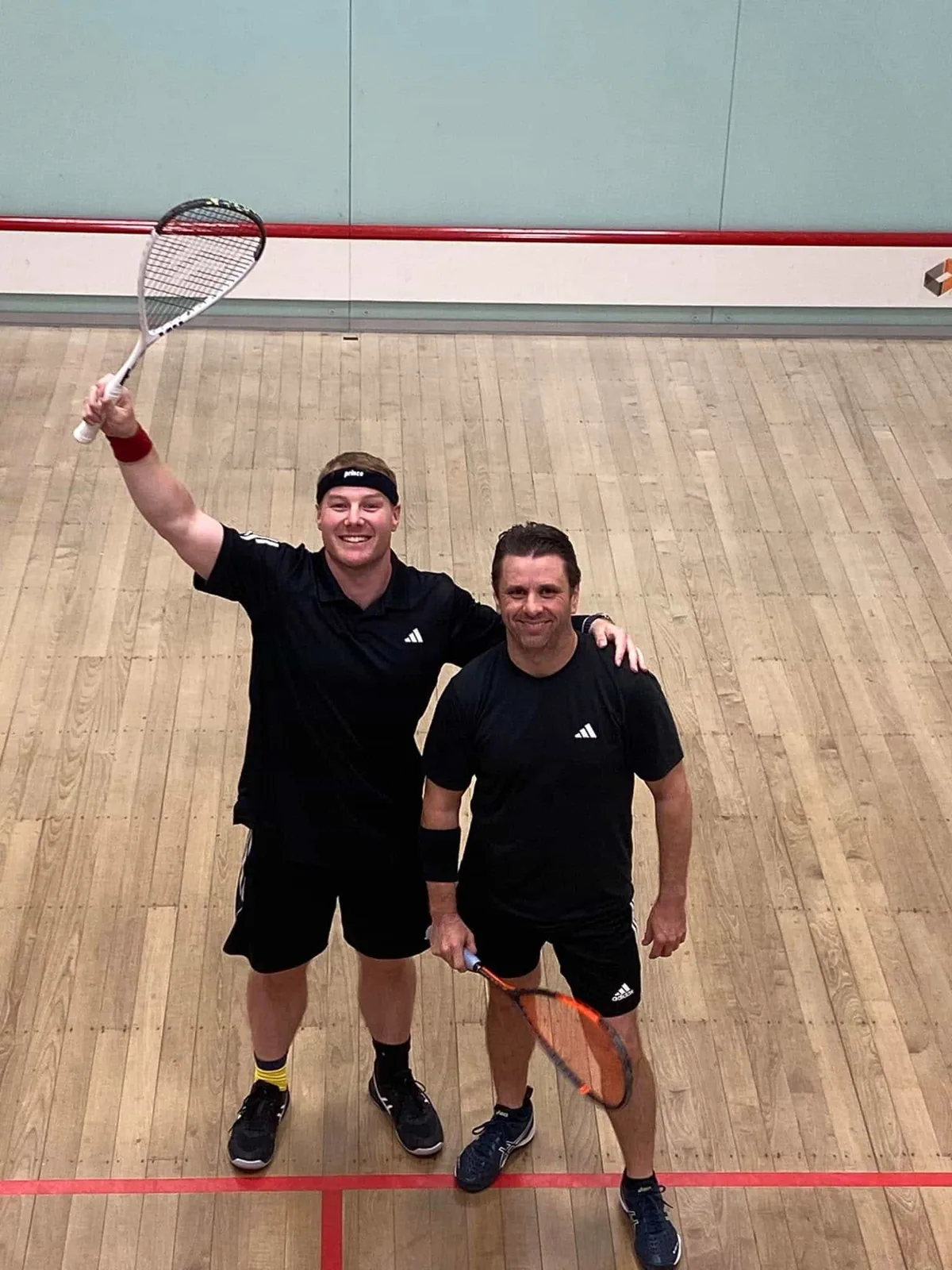
Hamilton Squash and Tennis Club
Hamilton · Six squash courts
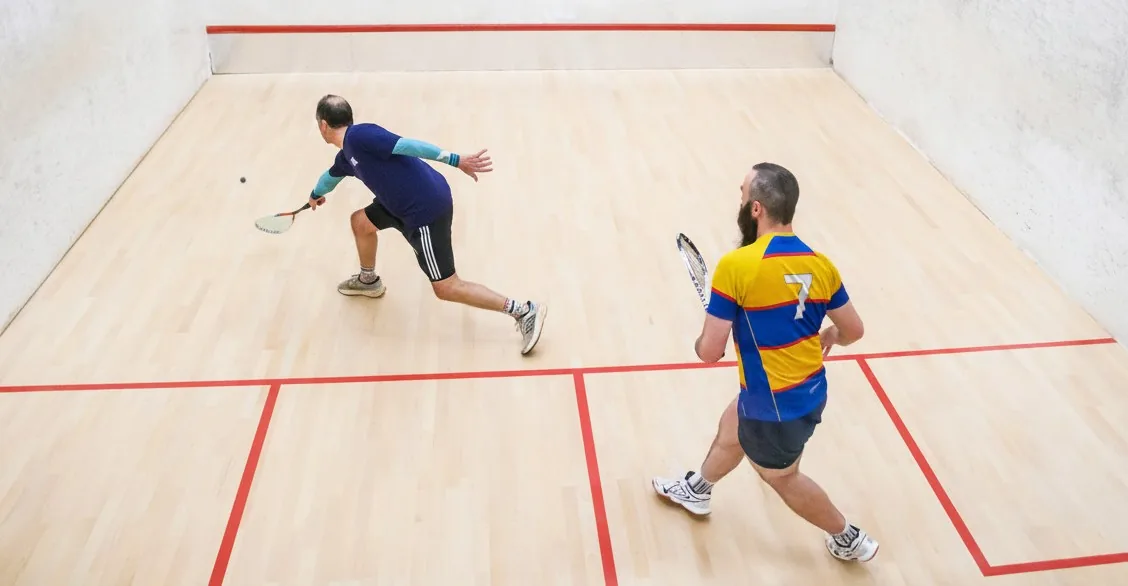
Stirling Lawn Tennis & Squash Club
Stirling · Founded in 1878
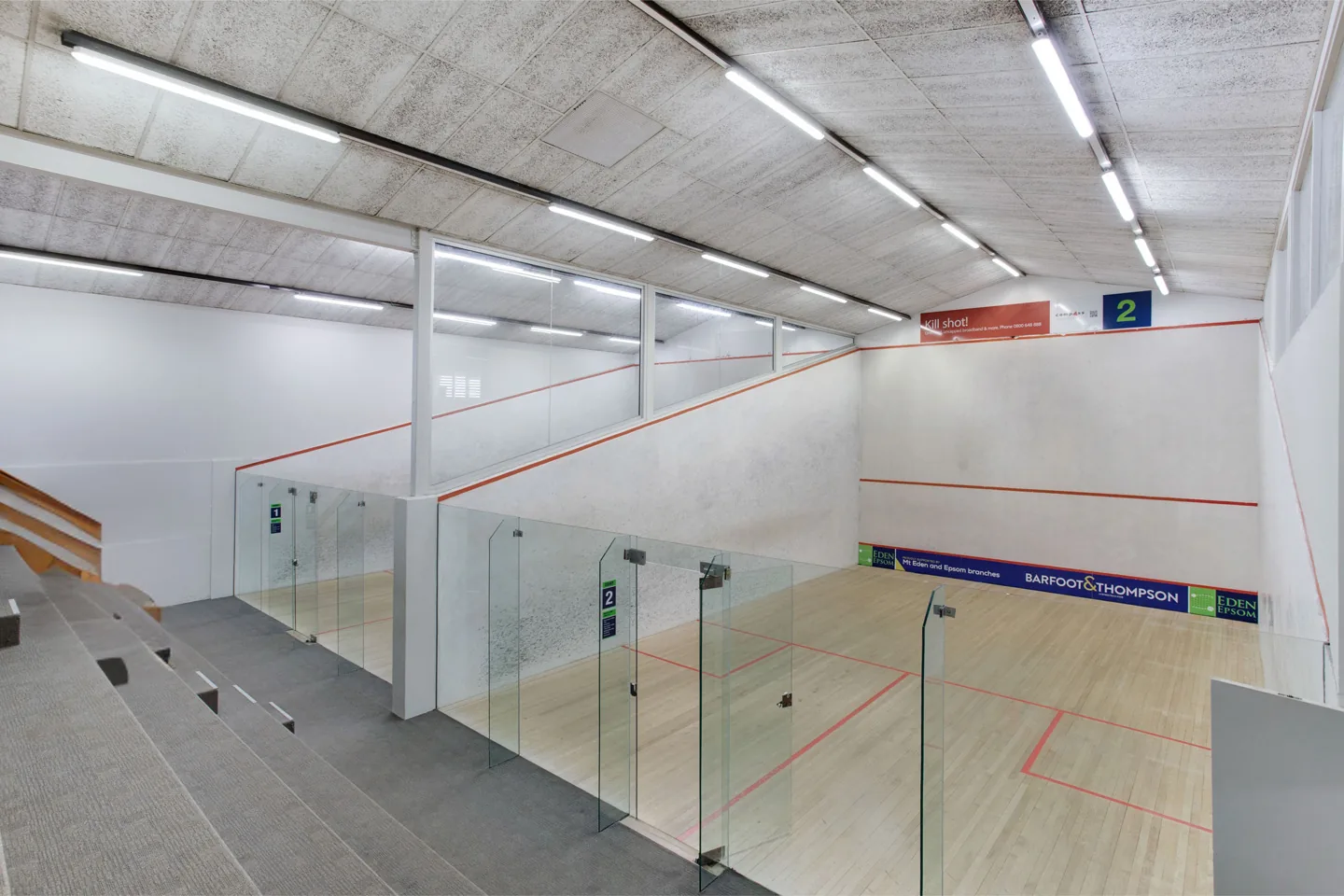
Eden Epsom Tennis and Squash Club
Auckland · Squash and tennis
FAQ
Is squash harder than tennis?
Squash is usually harder to start, because the ball dies and the game is fast. Both are hard to master. Many people find squash the tougher workout.
Does playing squash help your tennis?
It helps reactions, footwork and fitness. The swing is different, so switch back with a few minutes of easy rallying to readjust your timing.
Is squash or tennis better for fitness?
Squash singles gives a harder workout per minute because there is less rest. Tennis singles is close, and doubles is lighter.
Why do so many clubs offer tennis and squash?
Many older tennis clubs built squash courts so members could keep playing through the winter. The two sports share members and a clubhouse well.