Is squash good for weight loss?
 By the Find My Squash Court team·
Updated ·
6 min read
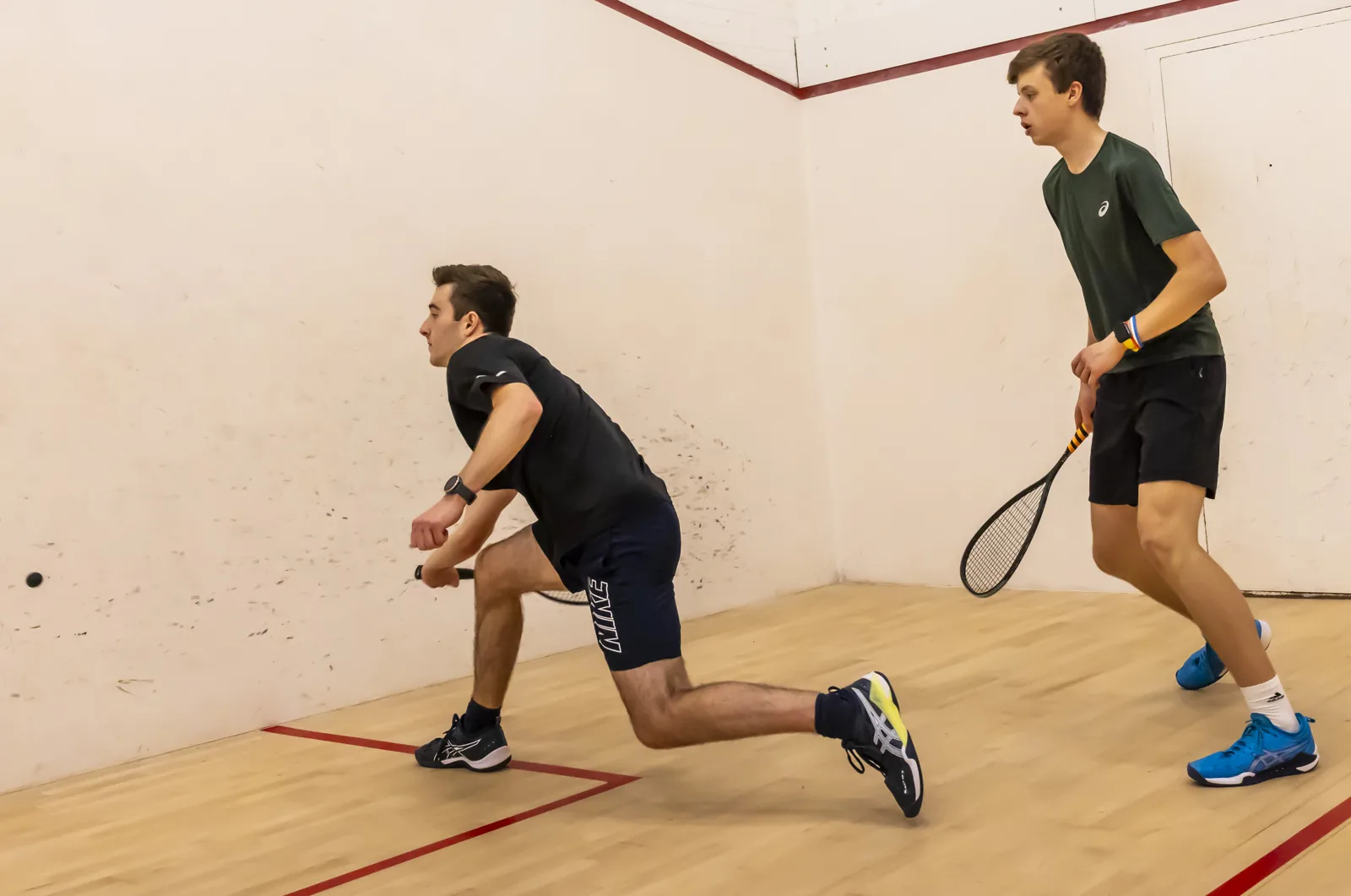
Squash burns energy quickly, and 45 minutes on court is easy to fit into a lunch break. It can help you lose weight, but only if the rest of your week works with it. Here is what the numbers say and how to set up your squash so the scales move.
The short answer
Yes, squash is one of the better sports for weight loss. It is high intensity, short and hard to coast through, so a 45-minute game uses a lot of energy for the time it takes. A rough figure for an 80 kg adult is 400 to 700 calories in 45 minutes, depending on how hard you play. Squash alone will not shift weight if you eat back what you burn. Two or three games a week, plus steady changes to what you eat, is what works for most people.
Why squash suits weight loss
Squash is interval training with a ball. Rallies last a few seconds to a minute, you sprint, lunge, turn and push back to the T, then get a short breather between points. That stop-start pattern keeps your heart rate high for most of the game, which is why players come off court soaked after 40 minutes.
Three things make it practical for losing weight:
- It is short. Most courts are booked in 40 or 45 minute slots. You get a hard session in less time than a run of the same effort.
- It is hard to slack. The ball comes back whether you feel like moving or not. On a treadmill you can ease off without noticing.
- It is social. A booked court and a partner waiting for you is a strong reason to turn up. Turning up every week matters more than any single session.
It also uses your legs and trunk hard. Lunging to the front corners and pushing back works the thighs and glutes, which are large muscles that burn plenty of energy.
How many calories a game burns
The Compendium of Physical Activities, the reference most researchers use, gives squash two values. General squash is rated at 7.3 METs and harder, competitive squash at 12.0 METs. One MET is the energy you use sitting still, so competitive squash is about twelve times that.
A common rough formula is calories = METs x body weight in kg x hours. For 45 minutes of play:
| Body weight | Social game (7.3 METs) | Hard game (12.0 METs) |
|---|---|---|
| 60 kg | about 330 kcal | about 540 kcal |
| 80 kg | about 440 kcal | about 720 kcal |
| 100 kg | about 550 kcal | about 900 kcal |
Treat these as upper estimates. They include the energy you would have used anyway, and they assume you play the whole slot. In a real booking you lose time to warming the ball, picking it up and chatting between games. Fitness trackers give different numbers again. Our guide to calories burned playing squash goes through the figures in more detail.
A week that works
The NHS asks adults for at least 150 minutes of moderate activity or 75 minutes of vigorous activity a week, plus strength work on at least two days. Two 45-minute squash games covers the vigorous target on their own. For weight loss, more is better, as long as your body copes.
- Play two or three times a week. Spread the games out so your legs recover. Back-to-back days are where sore knees and calves start.
- Add one or two strength sessions. Squats, lunges, step-ups and some upper-body work. Stronger legs make squash safer and keep muscle while you lose fat.
- Walk on the other days. Easy walking adds energy use without tiring you for the next game.
- Play people slightly better than you. You will chase more balls. A box league or club night gives you a steady supply of opponents. See how squash box leagues work.
Solo practice counts too. Twenty minutes of hitting drives up and down the wall, or ghosting the court without a ball, is hard work. Our guide to solo squash drills has sessions you can do on an empty court.
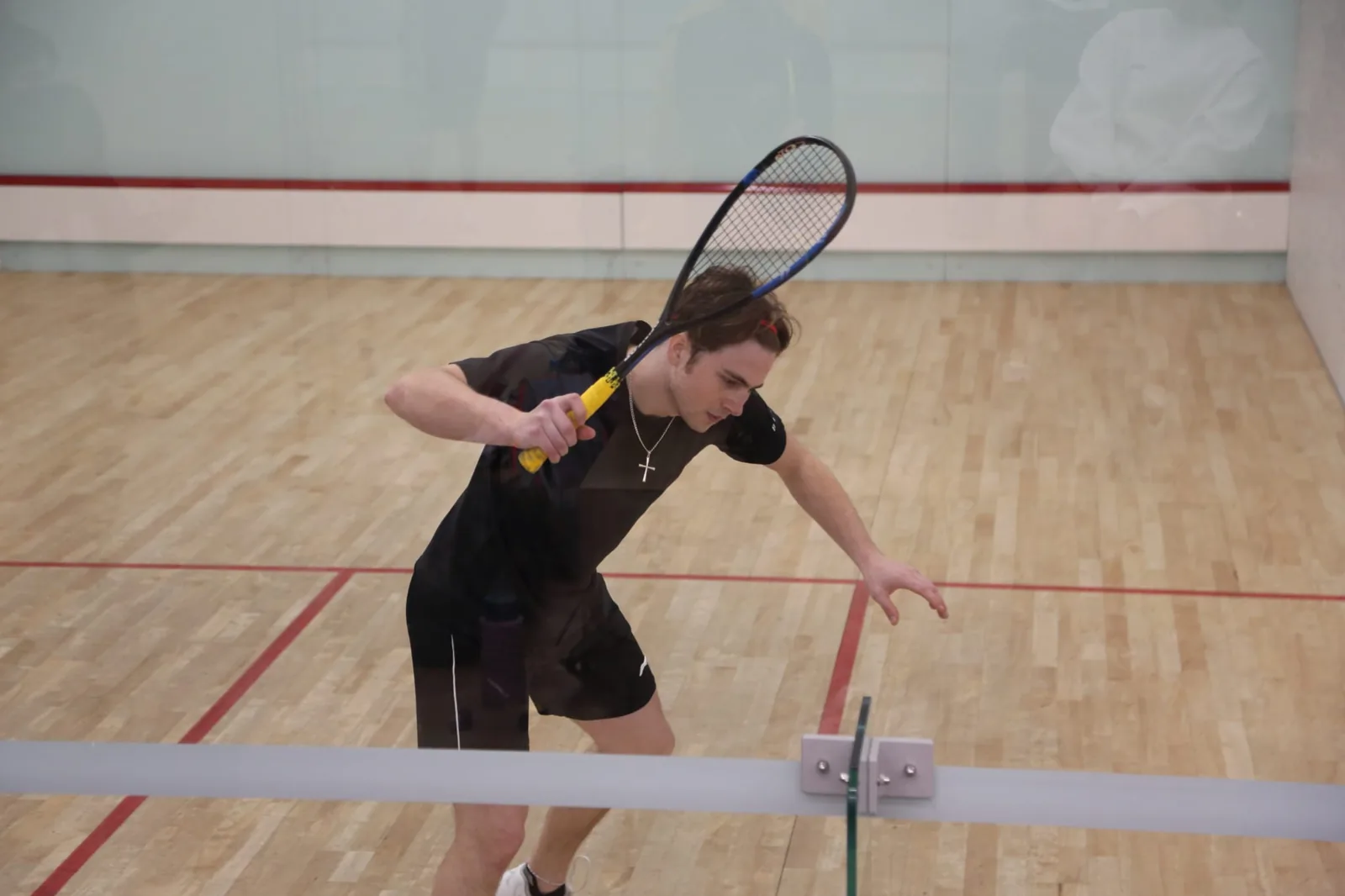
The Wyvern Squash
Taunton · Three heated courts
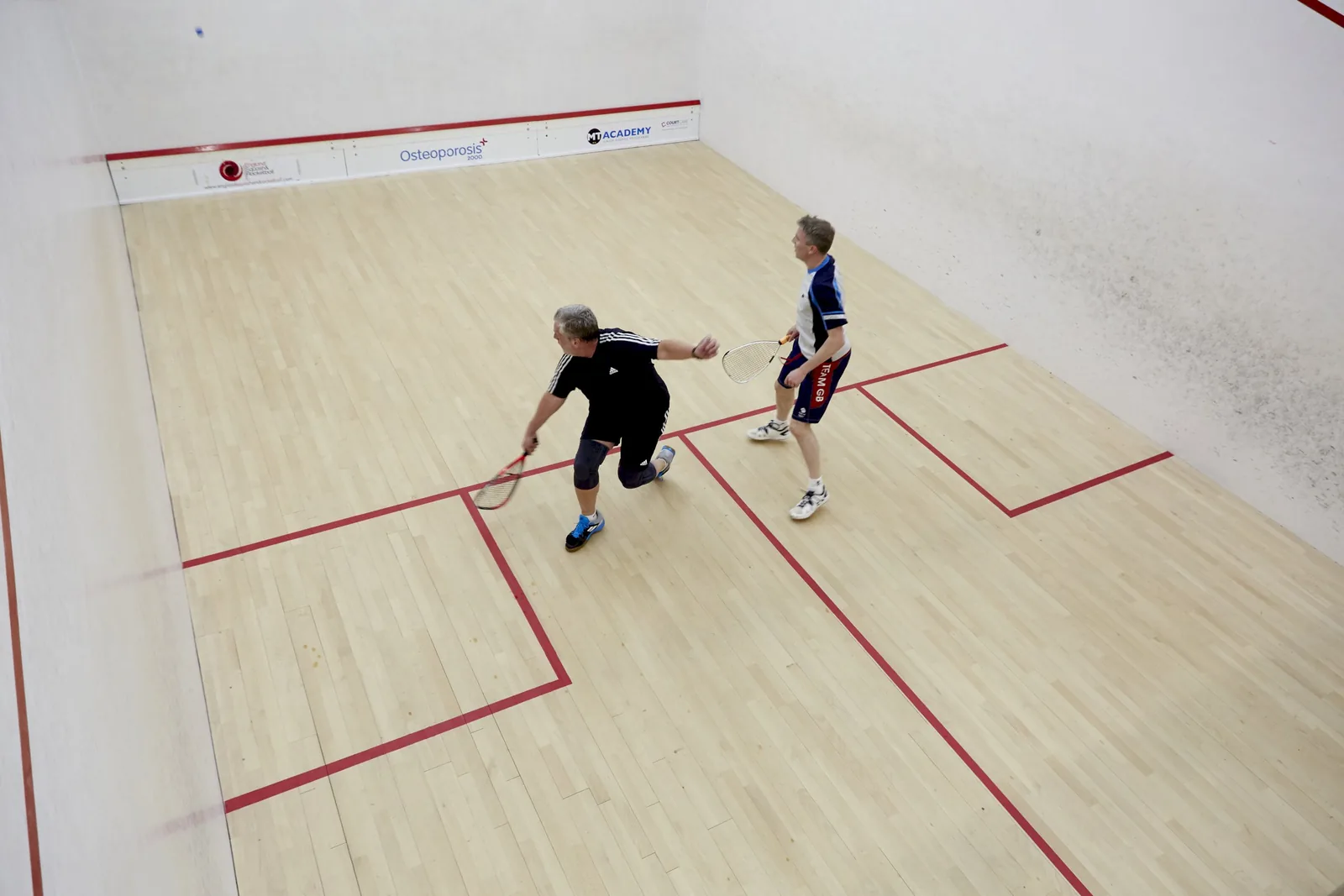
Westerfolds Templestowe Squash Centre
Melbourne · Eight courts
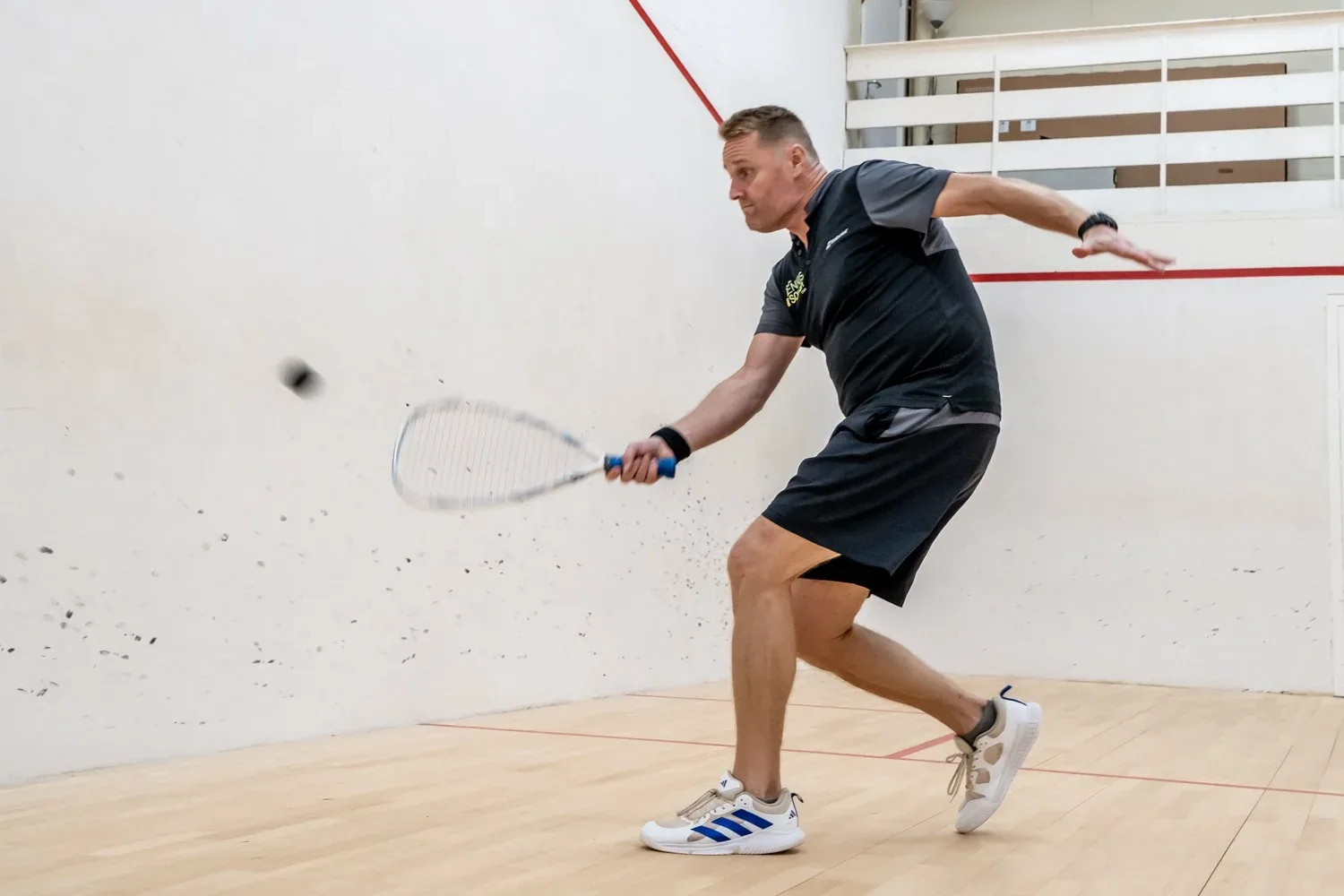
Abbeydale Squash & Fitness Club
Sheffield · Squash and fitness club
Food matters more than the court
This is the part people skip. You lose weight when you take in less energy than you use, over weeks and months. A hard game can make you hungry, and a pint and crisps in the club bar after a match can cancel out most of what you burned.
- Drink water during and after the game. You lose a lot of sweat on a warm court.
- Plan the meal after squash before you play, so you are not grabbing the nearest snack.
- Keep protein in each meal. It helps recovery and keeps you full.
- Weigh yourself at the same time of day once a week. Day-to-day changes are mostly water, especially after a sweaty game.
Expect the scales to move slowly at first. Many new players also gain some leg muscle in the first months, so a looser waistband can be a better sign than the number.
Cost check. In the UK in 2026, a pay-and-play court usually costs about £6 to £14 for 40 or 45 minutes, split between two players. Three games a week often works out cheaper than a gym membership, and many leisure centres hire out rackets for £2 to £3.50.
Starting when you are heavier
Squash is fast and involves sudden turns, which puts load on knees, ankles and the Achilles tendon. If you are carrying a lot of extra weight or have not exercised for years, build up first.
- Start with gentle rallying or a beginner session, not a competitive match.
- Get some fitness from walking, cycling or swimming for a few weeks before your first full game.
- Warm up properly. Five minutes of easy movement and stretches before you hit, every time.
- Stop the game if you feel chest pain, dizziness or unusual breathlessness.
If you have a heart condition, high blood pressure, diabetes or joint problems, or you have been inactive for a long time, see a doctor before you start playing hard. Our guide to squash, age and heart health explains why this matters more in squash than in gentler sports.
FAQ
Is squash better than running for weight loss?
For the same time, a hard game of squash uses about as much energy as a steady run and often more. The best choice is the one you will keep doing every week. Many people find a booked game easier to stick to than a solo run.
How often should I play squash to lose weight?
Two or three games a week is a good target, with a rest day between them. Add strength work and keep an eye on what you eat. Playing every day raises the risk of overuse injuries.
Will squash help me lose belly fat?
No exercise burns fat from one spot. Squash helps you lose fat overall, and the waist usually shrinks as part of that, if your diet supports it.
Is squash good for weight loss for beginners?
Yes, once you can keep a rally going. Early sessions are slower because the ball stops often. A few lessons or a beginner session get you to proper rallies sooner.