Squash vs the gym
 By the Find My Squash Court team·
Updated ·
5 min read
Squash and the gym both get you fit, but they train different things and suit different people. Plenty of players end up doing both, often in the same building. Here is how they compare on fitness, strength, cost and keeping the habit.
The short answer
Squash is better for heart and lung fitness, speed, agility and sticking with exercise, because a booked game with a partner is hard to skip. The gym is better for building strength and muscle, and for training around an injury, because you control the load. Squash does not cover the strength work the NHS recommends on two days a week, and the gym rarely gives you squash's sprint-and-turn fitness. The best mix for most people is squash two or three times a week plus one or two short strength sessions.
Side by side
| Squash | Gym | |
|---|---|---|
| Heart and lung fitness | Very high, interval style | Depends on what you do |
| Strength and muscle | Leg endurance, little upper body | High, if you lift progressively |
| Speed, agility, reactions | Very high | Low unless you train it |
| Injury risk | Higher: sudden turns, ball and racket | Lower, if technique is sound |
| Needs a partner | Usually | No |
| Time per session | 40 to 45 minute court slot | Whatever you choose |
| Keeping the habit | Strong: someone is waiting for you | Easy to skip |
What squash does better
Fitness for the time. The Compendium of Physical Activities rates competitive squash at 12.0 METs, which puts it among the hardest common sports. Rallies are short bursts with brief rests, the same pattern as interval training, and a 45-minute court booking is enough to leave most people drained.
Movement skills. Squash trains things gym machines do not: changing direction, lunging and recovering, reading where the ball will go and reacting. Those carry over into everyday balance and coordination.
Turning up. Most people who join a gym and stop going do so because nothing pulls them back. A squash partner, a box league fixture or a club night creates an appointment. Missing it lets someone down.
It is a game. You are thinking about the next shot, not counting reps. For people who find the gym dull, that alone settles it.
Our guide to whether squash is good exercise goes further into the fitness side.
What the gym does better
Strength. The NHS asks adults to do strengthening activities that work all the major muscle groups on at least two days a week. Squash builds leg endurance but does little for your upper body, back or core strength in a structured way. Lifting weights or using machines with gradually heavier loads does.
Control. In the gym you choose the load, the speed and the movement. That makes it the better place to train around an injury, come back after time off, or start from a low level of fitness. Squash asks for full effort from the first rally.
Lower injury risk. Squash has its own pattern of injuries: ankle sprains, calf and Achilles problems, knee strain, and the occasional ball or racket in the face. Sensible gym training avoids most of those. See common squash injuries.
No partner needed. You can go at 6 am or 10 pm and train for 20 minutes or two hours.
Cost and time
Prices vary a lot by country and venue type, so check locally. Two examples from UK venues in our directory, checked in 2026:
- Pay-and-play courts commonly cost about £6 to £14 for 40 or 45 minutes. Split between two players, three games a week costs roughly £9 to £21 each.
- Some leisure memberships include both. One university sports centre in Hull sells public gym memberships from £27.95 a month that include racket sports.
- Squash-only club memberships we have seen range from about £15 to £45 a month, and some include unlimited court time.
Our guide to squash court hire costs has more price examples.
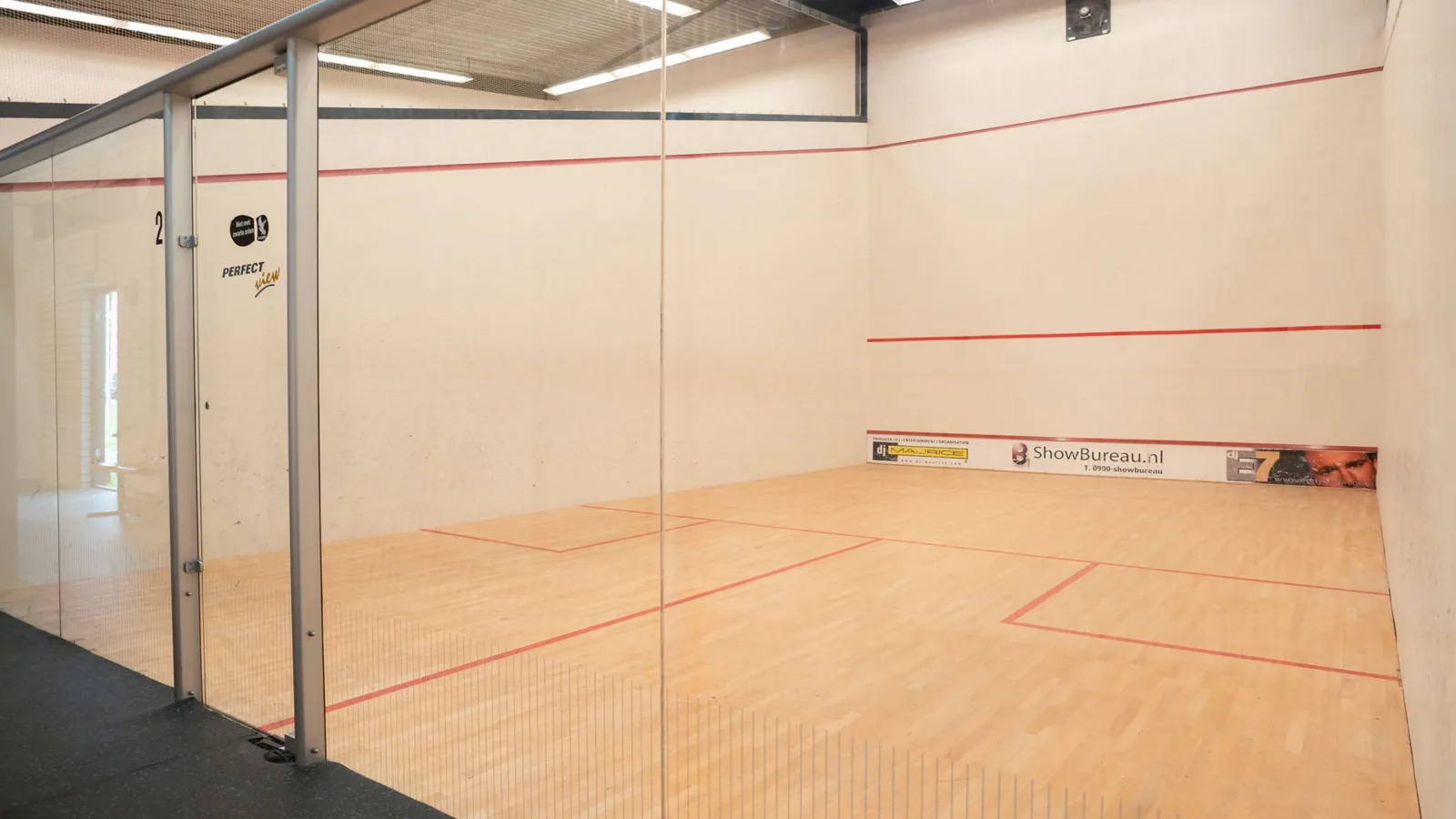
Sportstudio Workout
Rotterdam · Gym with three courts
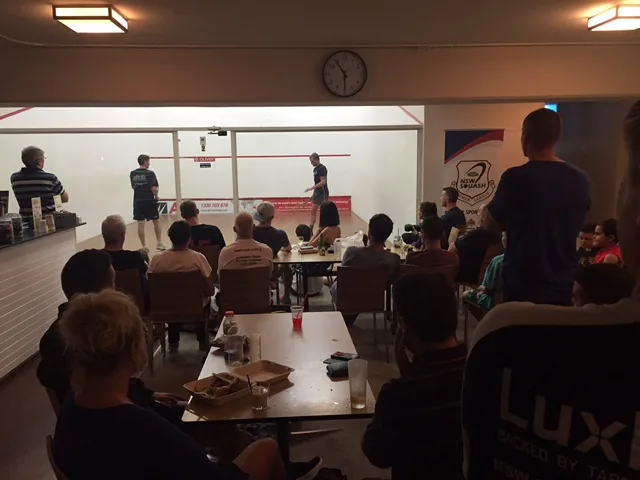
Elanora Squash & Fitness Centre
Sydney · Six courts and a gym
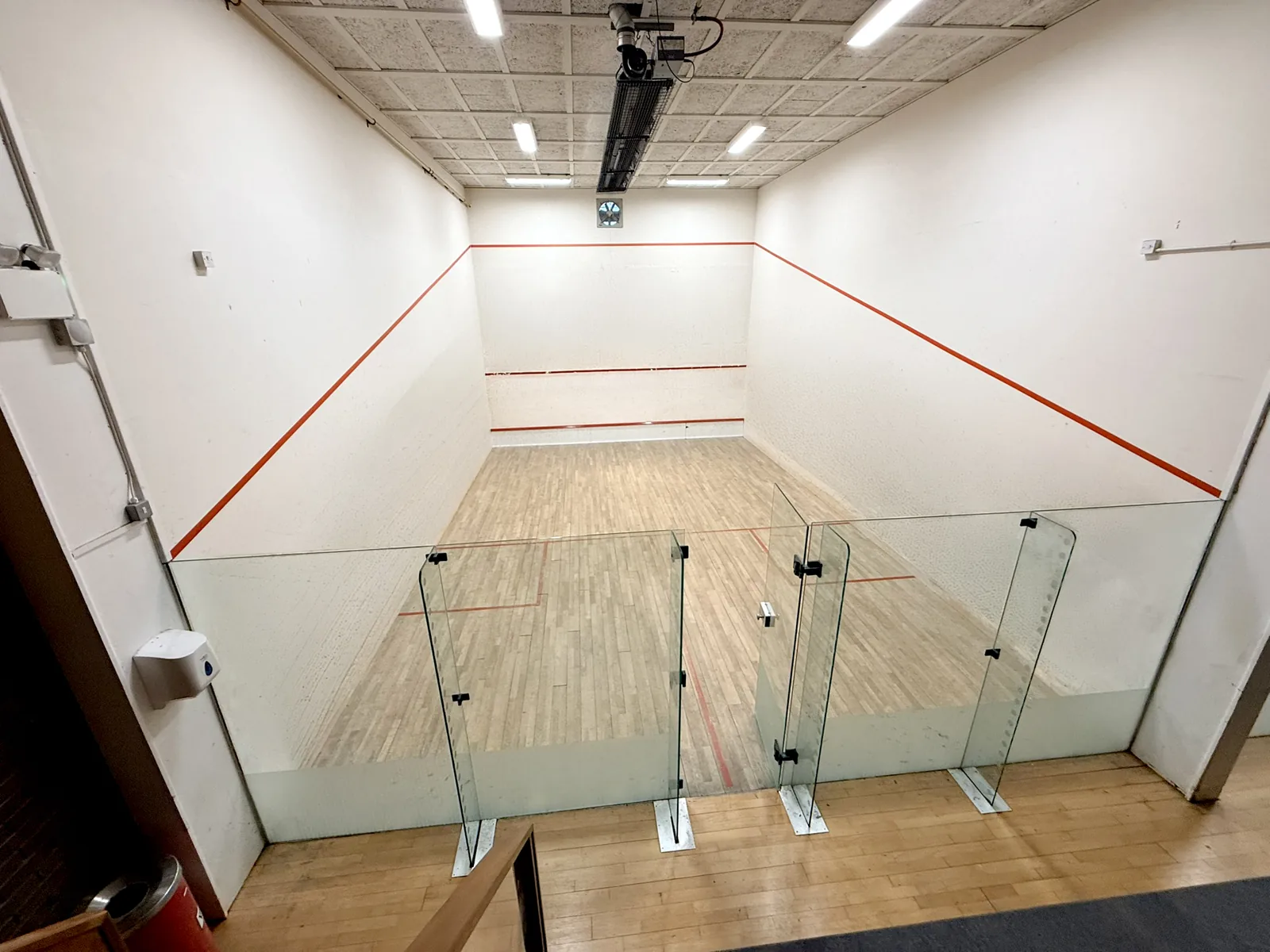
Thornton Health and Fitness Centre
Blackpool · Leisure centre with gym
Doing both
You do not have to choose. A simple week for a recreational player:
- Squash, two or three times. Games, a league match, or a solo practice session.
- Strength, once or twice. 30 to 40 minutes: squats or leg press, split squats, Romanian deadlifts, calf raises, rows, push-ups or a press, and planks.
- Rest or easy movement on the other days.
Leg and calf strength is the gym work that helps squash most. Stronger calves and thighs handle the lunging and pushing off better, and many squash injuries happen when tired legs give out late in a game. Avoid heavy leg sessions the day before a match.
Already a gym member? Check whether your gym or leisure centre has courts. Many UK leisure centres and some independent gyms in Australia and New Zealand do, and members often pay less for court hire.
Gyms with squash courts
A gym with courts lets you lift and play in one trip. Look for independent squash and fitness clubs, leisure centres and university sports centres. Read how to find a gym with squash courts for what to ask before joining.
Cities with the most gyms with squash courts in our directory:
FAQ
Can squash replace the gym?
For fitness, largely yes. For strength, no. Squash does not train your upper body or build muscle the way progressive weight training does, so add one or two short strength sessions a week.
Is squash or the gym better for weight loss?
Squash uses more energy per minute than most gym sessions. The gym helps you keep muscle while you lose fat. Both work best alongside changes to what you eat.
Should I lift weights before or after squash?
After, or on a different day. Heavy leg work before a game leaves your legs tired, and tired legs are slower and more likely to get injured on court.
Do I need to be fit before I start squash?
Basic fitness helps. If you have been inactive for a long time, a few weeks of walking, cycling or gym work first makes your first games safer and more enjoyable.