Tennis elbow from squash
 By the Find My Squash Court team·
Updated ·
6 min read
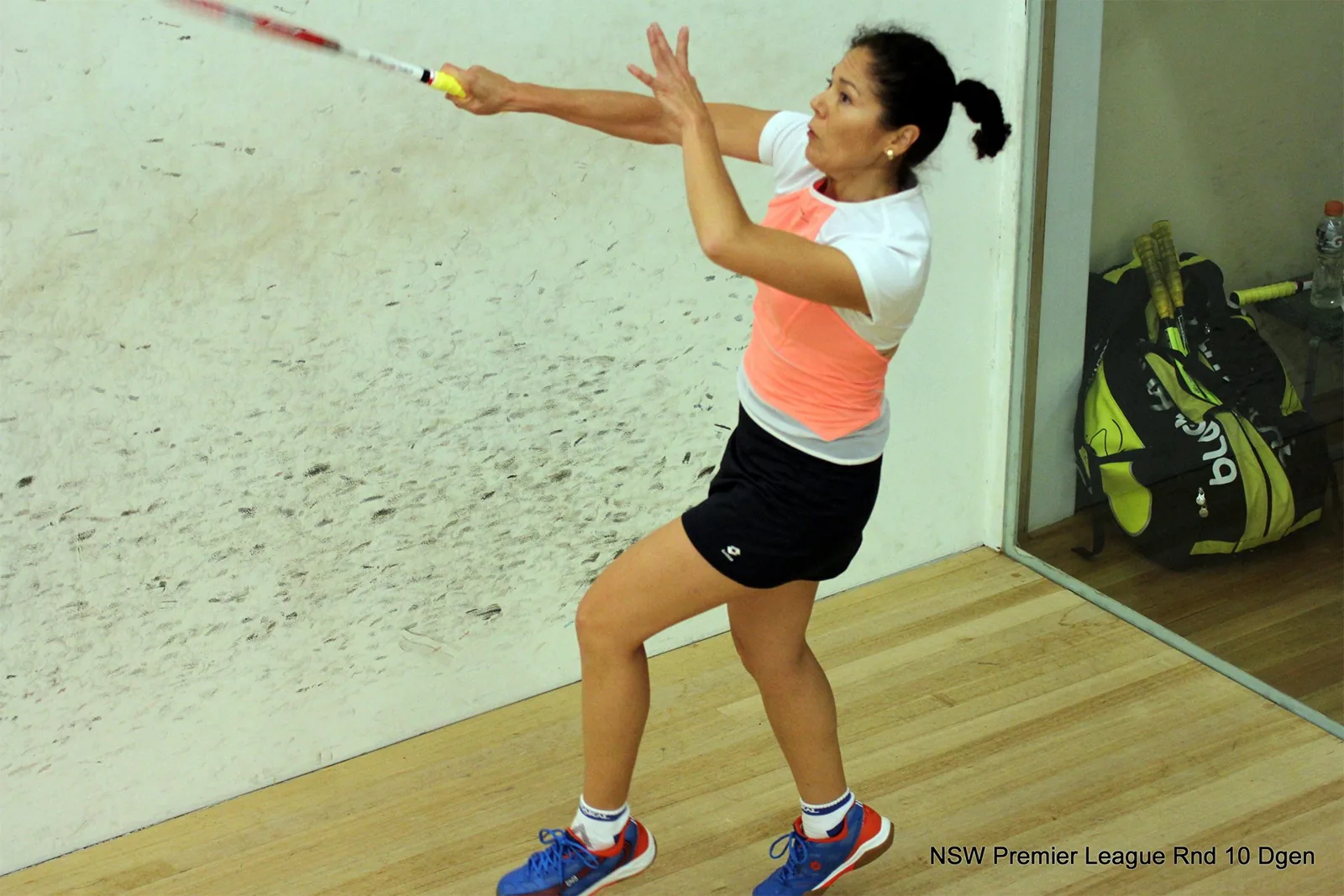
You do not need to play tennis to get tennis elbow. Squash players get it too, from the same mix of gripping, wrist flicks and repetition. It is slow to settle once it starts, so it pays to catch it early and fix the cause, not only the pain.
The short answer
Tennis elbow is pain on the outside of the elbow from overloaded forearm tendons. In squash it usually follows a jump in playing time, a tight grip, a lot of wristy shots, or a racket that does not suit you. The NHS says it usually improves after a few weeks of resting the arm, but it can last over a year. Ease off squash, use ice or heat and simple exercises, and check your grip and racket. See a GP if it has not improved after two weeks of self-care.
What tennis elbow is
The muscles that bend your wrist back and grip a racket attach to a bony point on the outside of the elbow. When the tendons there are overloaded, they become painful. The NHS lists these symptoms:
- Pain on the outside of the elbow, from mild discomfort to pain that disturbs sleep.
- Pain when lifting or bending the arm, gripping things or twisting the wrist, such as opening a jar or turning a door handle.
- Tenderness, pain down the forearm, and sometimes trouble fully straightening the arm.
Anyone can get it, but the NHS says it is most common in people aged 35 to 54, which is also a big share of club squash players.
Pain on the inside of the elbow is a different problem, often called golfer's elbow. It has similar causes and similar self-care, but it is worth getting checked if you are unsure which you have.
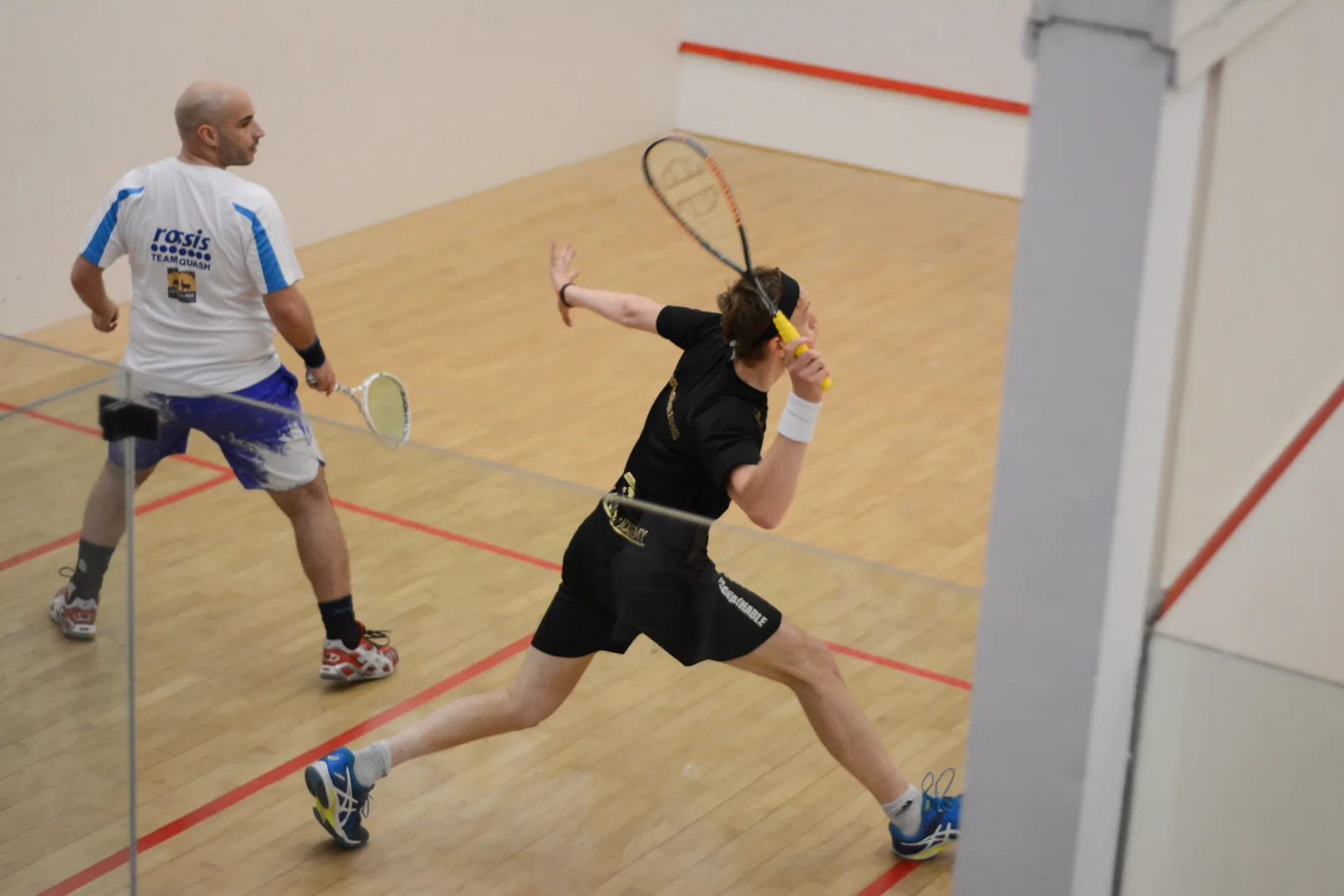
Why squash players get it
Squash is played with a lighter racket than tennis, but you hit far more shots in a session, many of them stretched and wristy. Common triggers:
- A sudden increase in play. Joining a league, a holiday squash week, or going from one game a week to four.
- Gripping too hard. A white-knuckle grip throughout the rally keeps the forearm muscles working non-stop.
- Wrist-led swings. Flicking the ball with the wrist, instead of turning the shoulders and swinging the arm, loads the tendons on every shot. Late, stretched backhands are the usual culprit.
- Racket and grip. A grip that is too thin makes you squeeze harder. A heavier or head-heavy racket and tight strings send more shock up the arm.
- Other gripping work. Computer use, DIY and lifting at the gym all add to the same tendons.
What to do first
The NHS advice for tennis elbow:
- Reduce or stop the activities that make it worse. For most players that means a break from squash, or at least from matches.
- Use paracetamol for pain, or an anti-inflammatory gel.
- Hold a hot or cold pack, wrapped in a towel, on the elbow for up to 20 minutes every 2 to 3 hours.
- Do simple exercises that bend and straighten the arm.
- Try a forearm strap or a wrist or elbow brace from a pharmacy.
A forearm strap, often called a tennis elbow strap, sits just below the elbow. Many squash players find it lets them play with less pain while the tendon settles. It eases symptoms; it does not fix the cause.
Do not play through it. Tennis elbow that is ignored tends to drag on for months. A few weeks off squash early is usually shorter than the layoff you face if you keep playing on a sore arm.
Racket, grip and technique
Most of the long-term fix sits here. Changes worth trying:
- Grip size. If your fingers wrap far round and dig into your palm, the grip is too thin. Add an overgrip or build up the handle so you can hold it with less squeeze. See how to regrip a squash racket.
- Grip pressure. Hold the racket loosely between shots and only firm up at contact. A coach will often say to grip it like a tube of toothpaste you do not want to squeeze.
- Racket. A lighter, more even-balanced racket is kinder on the arm than a heavy, head-heavy one. Our guides to squash racket weight and choosing a squash racket explain the trade-offs.
- Strings. Slightly lower string tension gives a softer feel on impact.
- Technique. Turn your shoulders, prepare the racket early and swing from the shoulder and elbow, with the wrist firm. A lesson or two with a coach can change an arm-breaking backhand quickly.
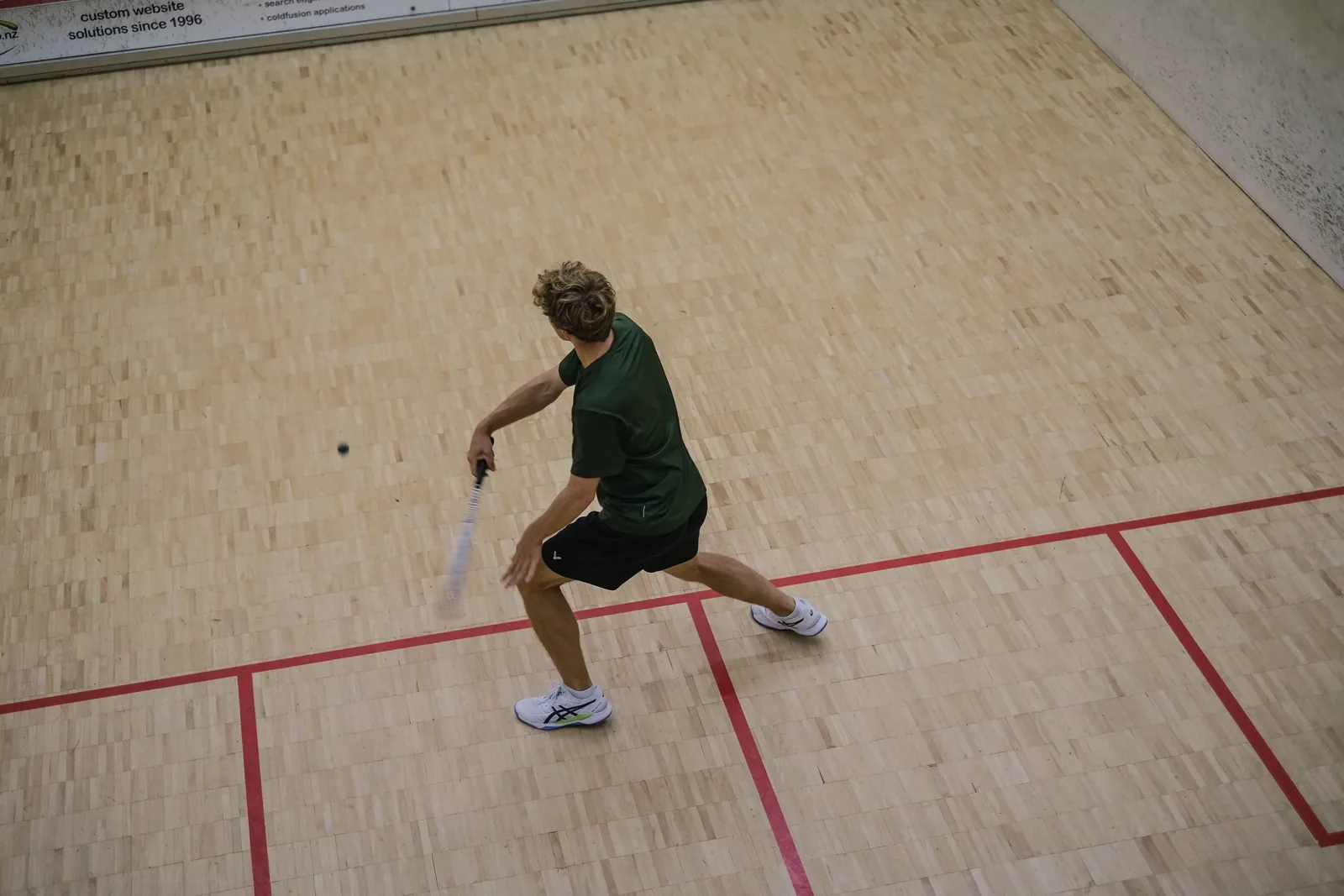
Playing with tennis elbow
When everyday tasks no longer hurt, come back gradually:
- Gentle solo hitting for 10 to 15 minutes, mostly straight drives.
- Easy rallies with a partner, avoiding hard volleys and boast shots.
- Short games, then full matches, adding one session at a time.
Mild discomfort that is gone by the next day is usually fine. If the elbow is sorer the morning after, drop back a step. Keep up forearm strengthening exercises from a physiotherapist even when the pain has gone.
When to see someone
The NHS says to see a GP if your elbow pain continues after resting and trying self-care for at least 2 weeks. In many parts of the UK you can refer yourself to NHS physiotherapy or community musculoskeletal services without a GP referral.
Physiotherapy is worth considering if symptoms have not improved after 6 weeks of home treatment. It usually involves stretching and strengthening exercises for the wrist and forearm, and sometimes massage. Surgery is an option only if symptoms last 6 to 12 months or more. The NHS tennis elbow page has the full guidance.
FAQ
Can you get tennis elbow from squash?
Yes. Squash involves the same repeated gripping and wrist movements that overload the tendons on the outside of the elbow, so it is a common cause.
How long does tennis elbow last?
The NHS says it usually improves after resting the arm for a few weeks, but it can sometimes last over a year. Early rest and fixing the cause shorten it.
Should I stop playing squash with tennis elbow?
Take a break from matches at least until everyday gripping no longer hurts, then build back up slowly. Playing through the pain usually makes it last longer.
Does a tennis elbow strap work for squash?
Many players find a forearm strap reduces pain while playing. It is a support while the tendon recovers, not a cure, so use it alongside rest and strengthening.