Squash racket weight and balance
 By the Find My Squash Court team·
Updated ·
6 min read
Two rackets can weigh the same on the scales and feel nothing alike in your hand. The number printed on the frame matters, but where that weight sits matters just as much.
The short answer
Most adult squash rackets weigh between about 110 and 150 grams unstrung, well under the 255 g limit in the World Squash rules. Lighter rackets are quicker to swing and easier to recover between shots. Heavier ones feel more solid and need less effort to hit the ball deep. Balance tells you where the weight sits: head-heavy rackets add power, head-light rackets are faster at the front of the court. Most beginners do well with something in the middle, around 130 to 150 g with an even or slightly head-heavy balance.
What the weight numbers mean
Squash rackets are light. The rules set a ceiling of 255 g, a maximum length of 686 mm and a maximum strung area of 500 square centimetres, but almost nothing on sale comes close to that weight. Modern frames are carbon composite and most sit somewhere between 110 g and 150 g.
The figure on the frame or the shop listing is usually the unstrung weight. Strings, the grip and the bumper strip add a little more, so the racket you actually swing is heavier than the label says. When you compare two rackets, compare like with like: unstrung against unstrung.
Junior rackets are a separate category. They are shorter as well as lighter, and come in sizes for different ages. If you are buying for a child, choose by length first and weight second.
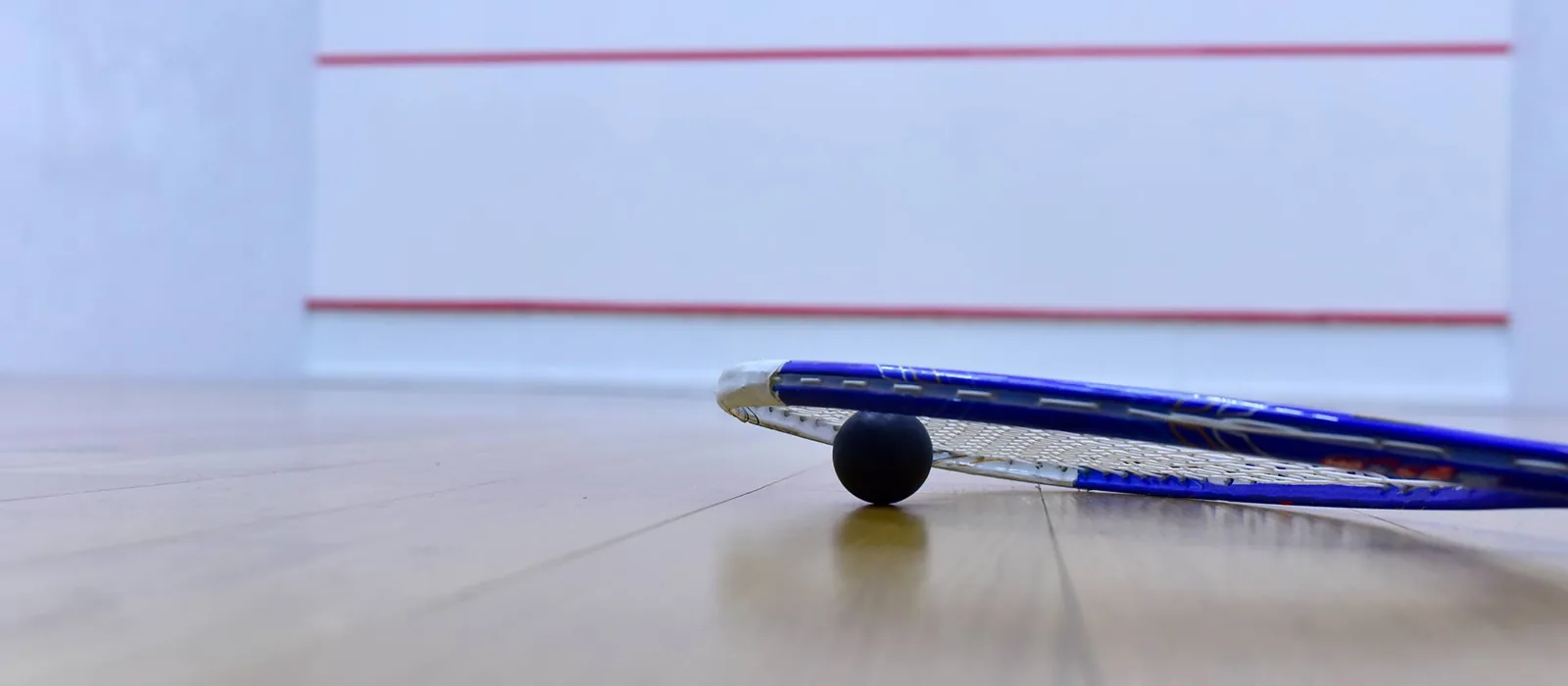
Light or heavy rackets
A few grams sounds like nothing. Over an hour of squash, with hundreds of swings and fast changes of direction, you feel it.
- Lighter rackets (roughly 110 to 125 g). Fast through the air and easy to get into position for volleys and quick exchanges at the front. They suit players with a full, fast swing who generate their own pace. On off-centre hits they can feel less stable and twist a little in the hand.
- Mid-weight rackets (roughly 125 to 145 g). The default for most club players. Enough mass to drive the ball to the back without forcing it, light enough not to tire your arm.
- Heavier rackets (roughly 145 g and up). Solid and forgiving. The extra mass carries the ball deep with a shorter swing, which helps beginners and players coming from tennis or badminton. The trade-off is slower preparation when the rally speeds up.
These bands are not official. Manufacturers describe their rackets in different ways, so read the actual gram figure rather than words like "lite" or "power".
Balance: head-heavy, even, head-light
Balance is the point along the racket where it would sit level on your finger. It is measured from the butt of the handle in millimetres or centimetres. A full-length racket is 686 mm, so the halfway point is about 343 mm.
| Balance | Balance point | How it plays |
|---|---|---|
| Head-heavy | Above the halfway point | More weight behind the ball, easier length from the back, slower to manoeuvre |
| Even | Close to halfway | A middle ground; a safe first choice |
| Head-light | Below the halfway point | Quick hands at the front and on volleys, needs a good swing to hit hard |
Balance changes how heavy a racket feels more than the scales do. A 130 g head-heavy racket can feel heavier in the swing than a 140 g head-light one, because the weight sits further from your hand. This is what players mean by swing weight.
Adding an overgrip moves the balance a few millimetres towards the handle. Heavy strings or a thick bumper strip move it towards the head. Small changes, but you may notice them if you are fussy about feel.
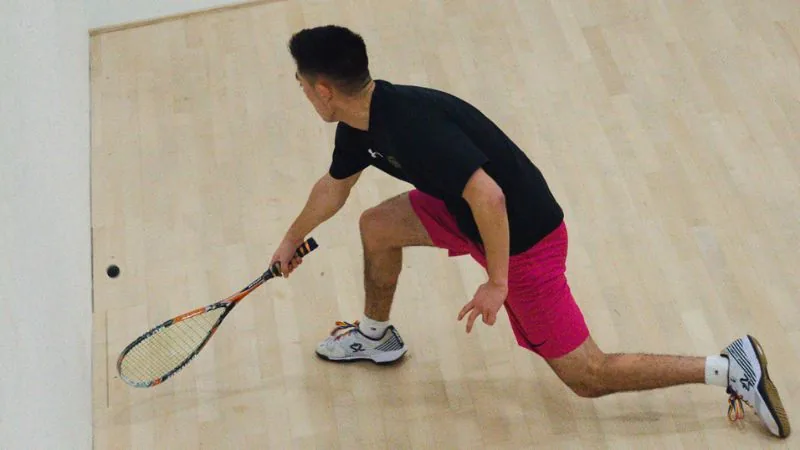
Which weight suits you
New players
Start in the middle: around 130 to 150 g with an even or slightly head-heavy balance. The extra mass in the head helps the ball reach the back wall while your swing is still short and a bit late. If you are taking lessons, ask your coach to try your racket. Our guide to choosing a squash racket covers head shape, price and the rest of the decision.
Improving club players
Once your swing is consistent and you play two or three times a week, many players move to a lighter or more head-light frame. It gives quicker volleys and more control of short shots. Change one thing at a time: if you go lighter, keep the balance similar so you can tell what made the difference.
Players with sore elbows or wrists
There is no single right answer here. A racket that is too light can tempt you to swing harder with your wrist, and one that is too heavy tires the forearm. Grip size and string tension matter too. If pain keeps coming back, see a doctor or physiotherapist, and read our guide to tennis elbow and squash.
Borrow before you buy. Many clubs and leisure centres hire rackets at reception for a pound or two, and club-night regulars are usually happy to let you hit a few balls with theirs. A session with two different rackets tells you more than any spec sheet.
How to judge a racket before you buy
- Check the unstrung weight and balance point on the frame or the maker's listing. Write them down for the racket you use now, so you have a reference.
- Hold it in your playing grip with the head up, the way you wait for the ball. If your wrist tires quickly in that position, it is too head-heavy for you.
- Swing it slowly, then fast. A good match feels light at speed without feeling flimsy at contact.
- Hit volleys and drives on court. Volleys show up a head-heavy racket; drives from the back corners show up one that is too light.
- Play a full game if you can. Some rackets feel lovely for five minutes and tiring after forty.

BAWA Leisure
Bristol · Racket hire £1.50
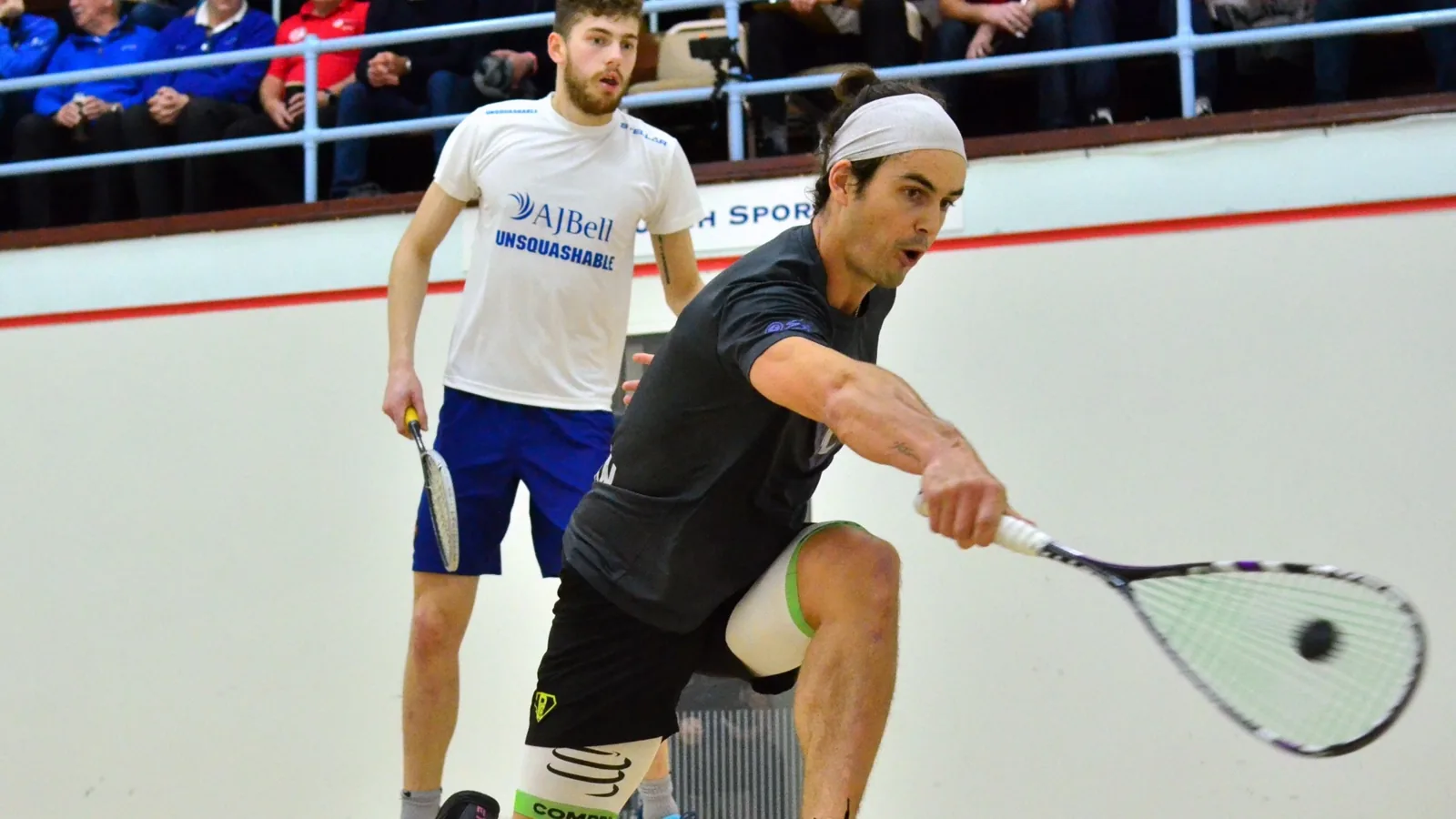
Edinburgh Sports Club
Edinburgh · Equipment included

North Shore Squash Club
Auckland · Free equipment available
Strings and grips also change the feel of a racket. See squash strings and tension and how to regrip a squash racket.
FAQ
What is the maximum weight of a squash racket?
The World Squash rules allow up to 255 grams. In practice almost every adult racket weighs much less, usually between about 110 and 150 grams unstrung.
Is a lighter squash racket better?
Not automatically. Lighter rackets are faster and suit players with a good swing. Beginners often find a slightly heavier or head-heavy racket easier, because it puts more weight behind the ball.
Does the weight on the frame include the strings?
Usually not. Most makers quote the unstrung weight. Strings, grip and bumper strip add a little, so the racket you play with is heavier than the label.
What does head-heavy mean on a squash racket?
The balance point sits further from the handle than the middle of the racket. The head carries more weight, which adds power but makes the racket a little slower to move.