Solo squash drills
 By the Find My Squash Court team·
Updated ·
5 min read
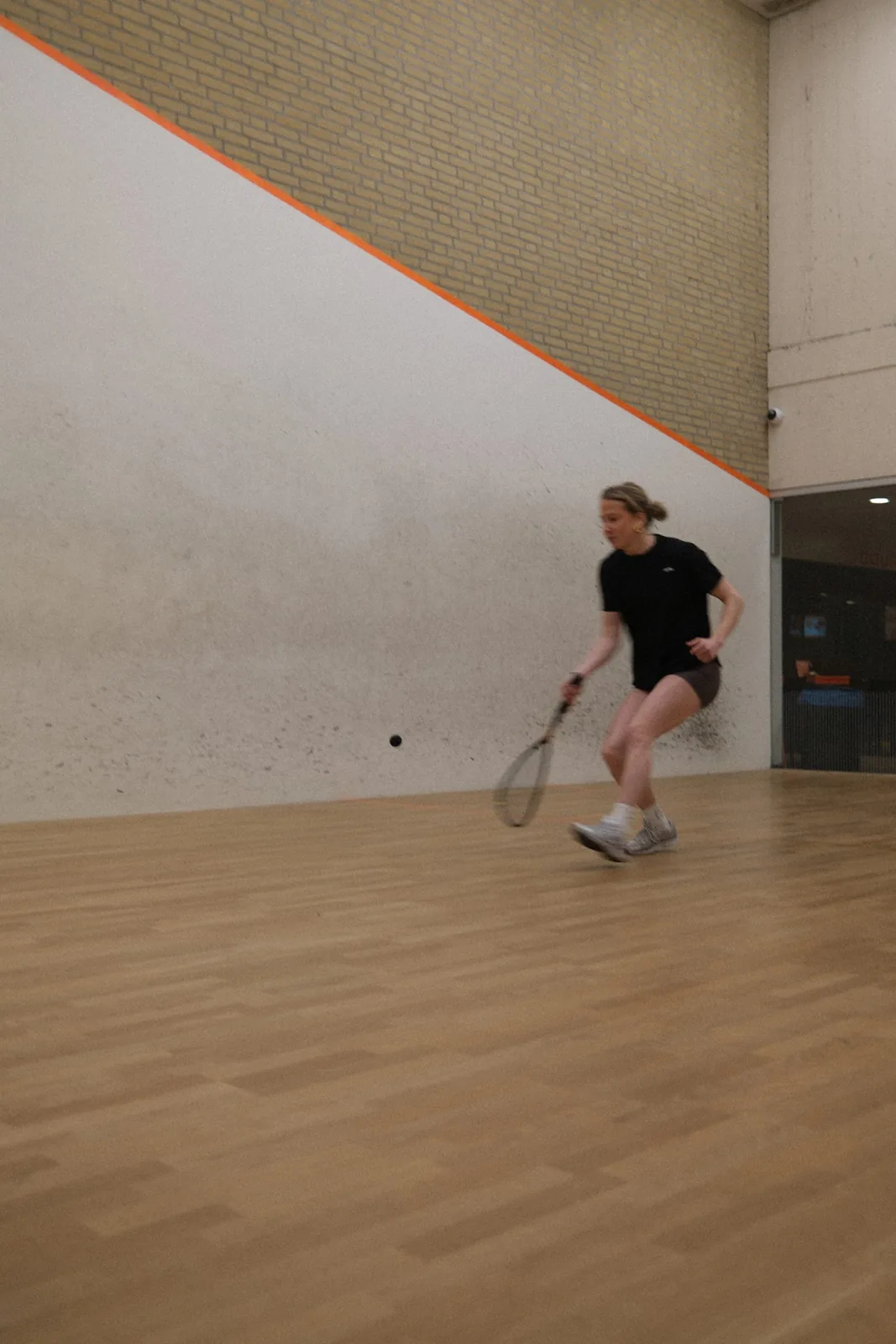
Squash is one of the few racket sports where you can practise properly on your own. The front wall sends every ball back, so half an hour alone on court can do more for your strokes than a week of matches.
The short answer
The best solo squash drills are straight drives down the wall, short and long, on both forehand and backhand; volleys against the front wall; figure-of-eight volleys across the front corners; drop-and-drive sequences; and serves into the back corners. Warm the ball up first, work on one side at a time, and set yourself targets such as ten drives in a row landing behind the service box. Finish with a few minutes of ghosting for movement. Twenty to forty minutes of focused solo work is plenty.
Why practise alone
In a match you might hit a backhand drive from the back corner a dozen times. In ten minutes of solo practice you can hit it a hundred times. That repetition is what makes a stroke reliable under pressure.
Solo practice also lets you work on one thing at a time, at your own pace, without worrying about the score or a partner waiting. Many courts can be booked by one person. Our guide can you play squash alone covers booking a court for one.
Before you start
- Warm yourself up. A few minutes of easy movement and stretching before you hit hard. See how to warm up for squash.
- Warm the ball up. A cold squash ball barely bounces. Hit it firmly against the front wall for a couple of minutes until it is warm and lively. Our guide why warm up a squash ball explains why.
- Pick the right ball. Alone, the ball cools down between shots. Many players use a single yellow dot or a blue or red dot ball for solo work so it stays bouncy. See squash ball dots.
- Wear eye protection if you practise volleys close to the front wall.
Driving drills
Straight drives to yourself
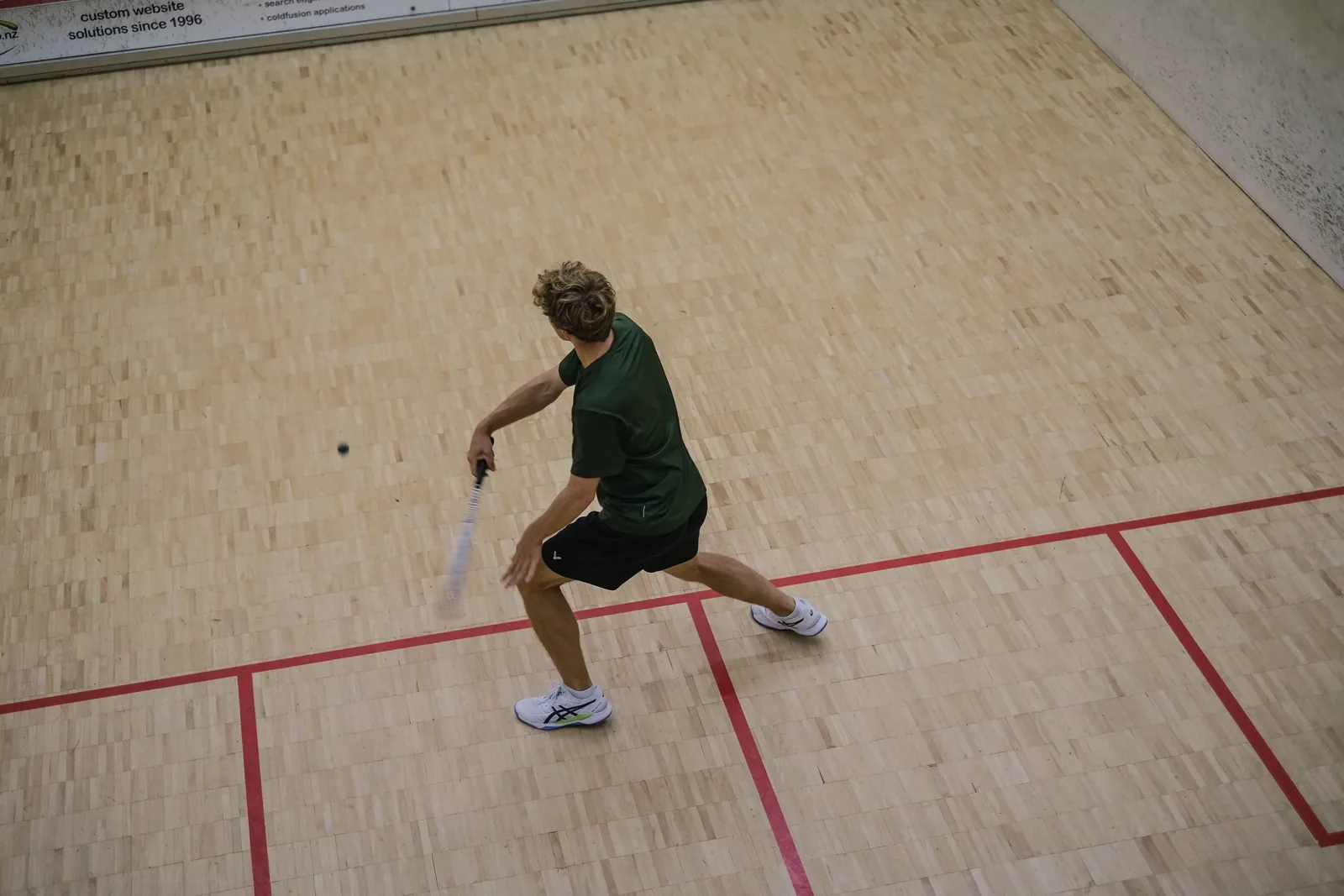
Stand just behind the service box, about a racket's length from the side wall. Hit the ball straight down the wall so it comes back to you, and keep going. Aim to hit the front wall between the tin and the service line, and keep the ball close to the side wall.
- Start with 5 minutes on the forehand, then 5 on the backhand.
- Count how many you can hit in a row without the ball coming away from the wall.
- Then step back to the back of the court and drive to length, letting the ball bounce and come off the back wall.
Target drives
Put a towel, racket cover or a pair of shoes on the floor behind the service box, close to the side wall. Count how many of 20 drives land on or near it. Write the score down and try to beat it next time.
Volley drills
Straight volleys
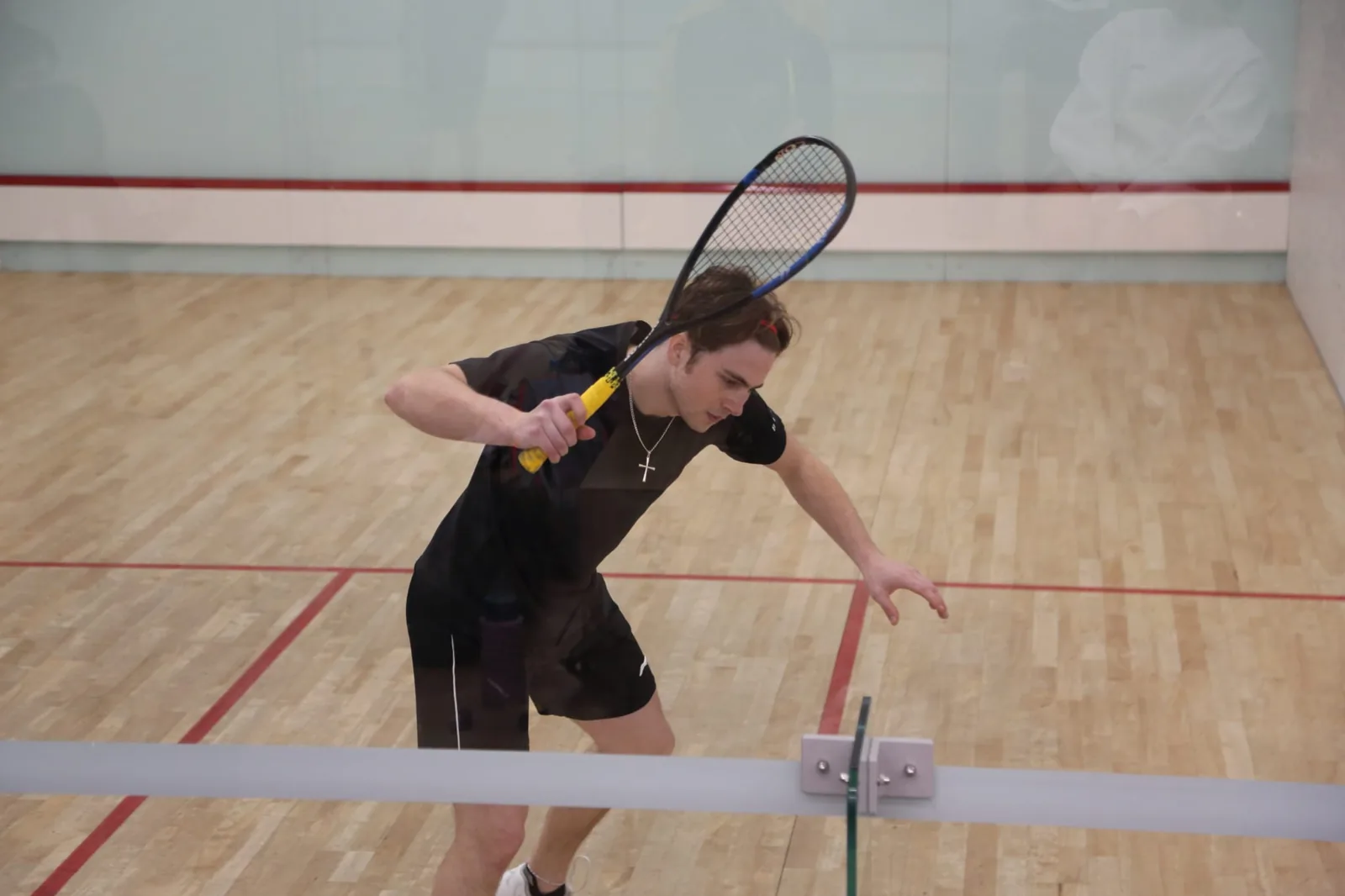
Stand just in front of the short line and volley the ball against the front wall so it comes straight back to you without bouncing. Keep the racket up and the swing short. Do sets of forehand only, then backhand only.
Figure-of-eight volleys
Stand near the T. Volley the ball into the front wall so it then hits the side wall and comes back to you on your other side. Volley it again into the front wall towards the other side wall. The ball travels in a figure of eight, and you alternate forehand and backhand volleys. It is hard at first. Start slow and higher on the front wall; as you improve, hit lower and harder.
Volley to drive
Volley a few balls straight from the short line, then let one through and drive it from behind the service box, then step back in and volley again. This links two shots, as in a match.
For technique, see how to volley in squash.
Keep score against yourself. Solo drills get dull quickly. Give each one a number: most drives in a row, most targets hit, longest figure-of-eight. Beating your own record keeps you concentrating.
Short game drills
Drop to drop
Stand in one front corner. Play a soft straight drop, let it bounce, then play another drop. Keep it going as long as you can with the ball staying low and close to the side wall. Then switch sides. Our drop shot guide has the technique.
Drop and drive
Play a drop from the front, then as the ball comes back, drive it to length. Move back, let it come off the back wall, and drive again. Then move forward and play a drop. This builds movement between the front and back of the court as well as touch.
Serve practice
Serving is the one shot you can practise exactly as it is played. Take ten serves from each box and watch where they land. A good lob serve hits the side wall high and drops into the back corner. See how to serve in squash.
A 30 minute solo session
| Minutes | Drill |
|---|---|
| 0 to 5 | Warm yourself and the ball up |
| 5 to 12 | Straight drives, forehand then backhand |
| 12 to 17 | Straight volleys, both sides |
| 17 to 22 | Drop to drop, both front corners |
| 22 to 26 | Target drives: 20 on each side, count the score |
| 26 to 30 | Ghosting to all six corners, then cool down |
Ghosting is movement practice without a ball. Our guide to ghosting in squash shows how to do it.
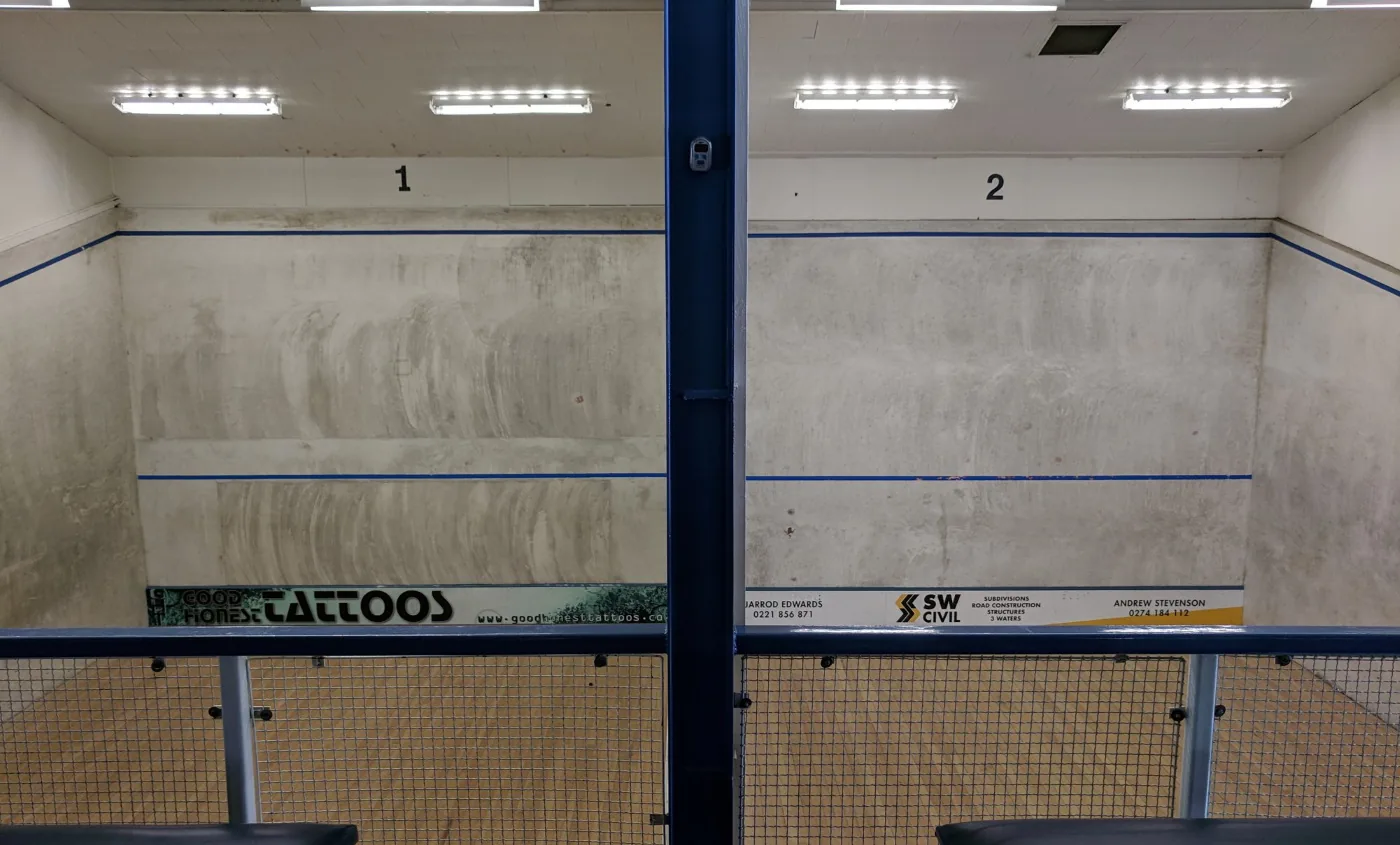
Ruakura Campus Club Squash
Hamilton · Bookable 24/7
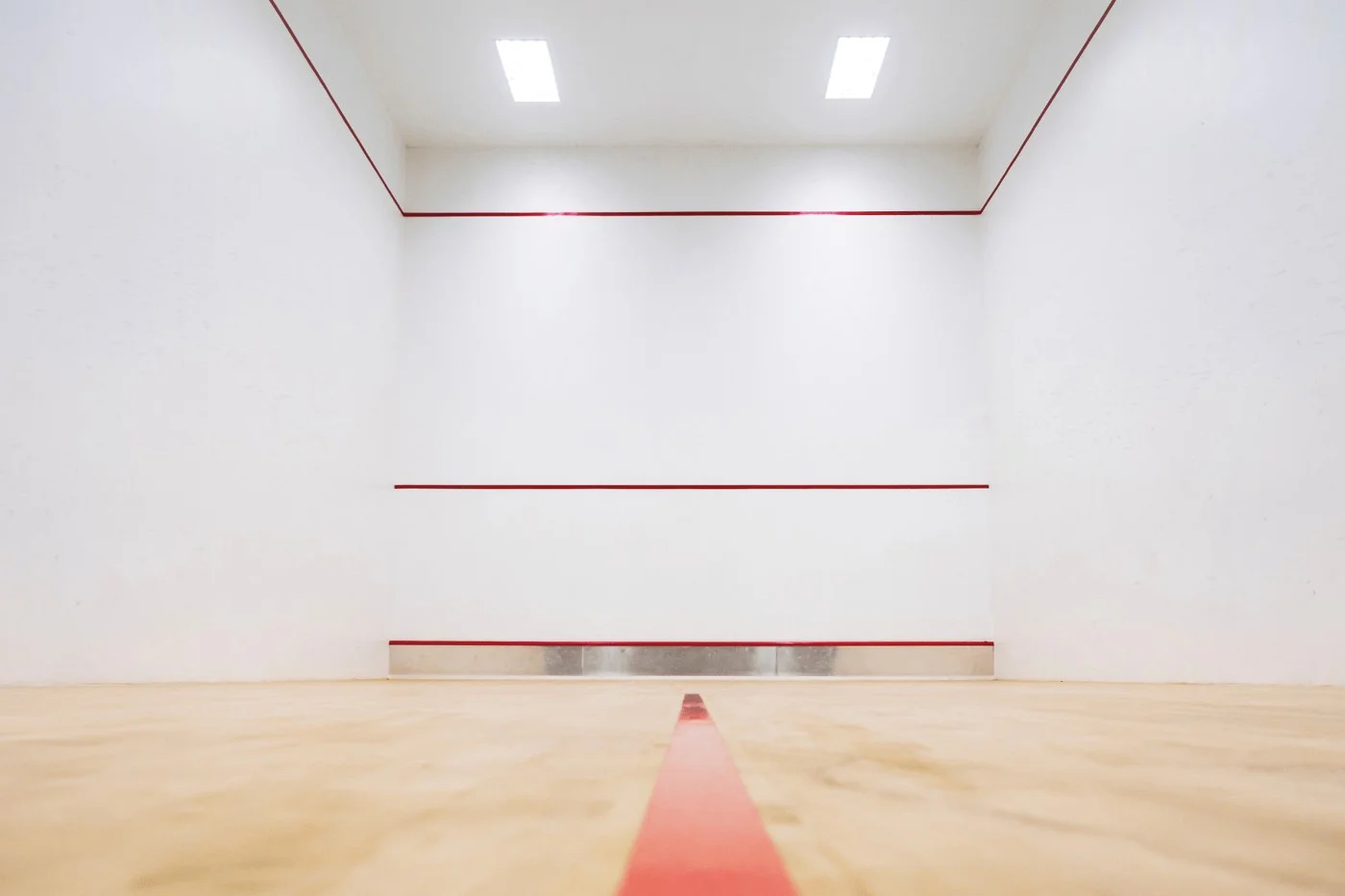
ESC Kingsdown
Bristol · Casual bookings
York Sport Centre (University of York)
York · Four courts
FAQ
Can you practise squash on your own?
Yes. The front wall returns the ball, so you can drive, volley, drop and serve alone. Many courts can be booked by one person.
How long should a solo squash session be?
Twenty to forty minutes is enough for most players. Short, focused sessions are better than long ones where you start hitting without thinking.
Which ball should I use for solo practice?
A ball with more bounce than the double yellow dot is often easier alone, because the ball cools between shots. A single yellow or blue dot ball works well for most club players.
How often should I do solo drills?
Once or twice a week alongside your matches makes a noticeable difference to consistency over time.