How to serve in squash
 By the Find My Squash Court team·
Updated ·
6 min read
Every rally in squash starts with a serve, and you only get one try. The rules are short, the technique is simple, and a good serve puts your opponent under pressure before the rally has really begun.
The short answer
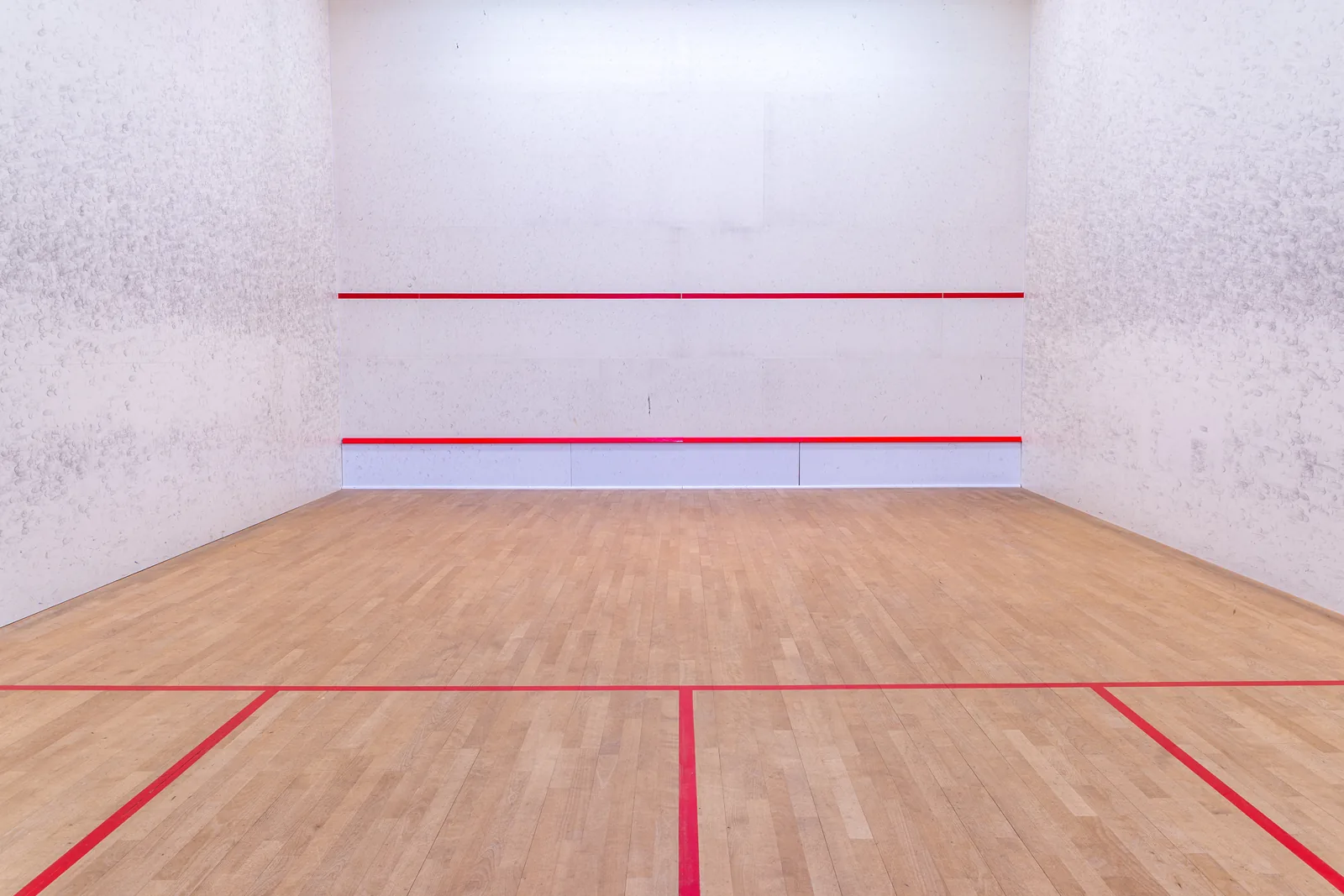
To serve in squash, stand with at least one foot fully inside a service box, not touching its lines. Drop or toss the ball and hit it directly to the front wall between the service line and the out-line. It must then land in the back quarter of the court on the opposite side, unless your opponent volleys it first. It may hit the side and back walls on the way. There is no second serve: a fault loses the rally. The most useful serve for most players is a high, soft lob that dies in the back corner.
The rules of the serve
Rule 5.7 of the World Squash singles rules says a serve is good if all of these are true:
- You drop or throw the ball from your hand or racket and strike it correctly before it touches anything else. You can take more than one swing if you miss completely.
- When you hit it, one foot is touching the floor inside the service box, with no part of that foot on any line of the box. The other foot can be anywhere, including in the air.
- The ball goes directly to the front wall and hits it between the service line and the out-line. It must not hit the front and side walls at the same time.
- Unless the receiver volleys it, the ball first bounces in the opposite back quarter of the court without touching a line.
- The ball is not served out.
After the front wall, the ball may hit the side wall, the back wall or both before it bounces in the quarter. If you drop the ball and make no attempt to hit it, it is not a serve and you start again.
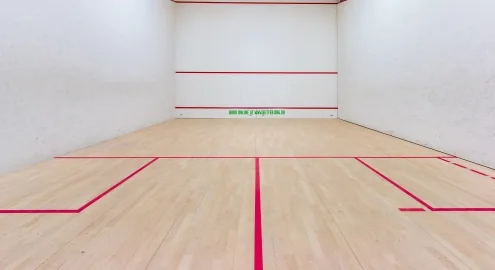
Which box to serve from
At the start of each game, and whenever the serve passes to you, you choose which box to serve from. While you keep winning rallies, you must alternate boxes: right, left, right. After a let, you serve again from the same box.
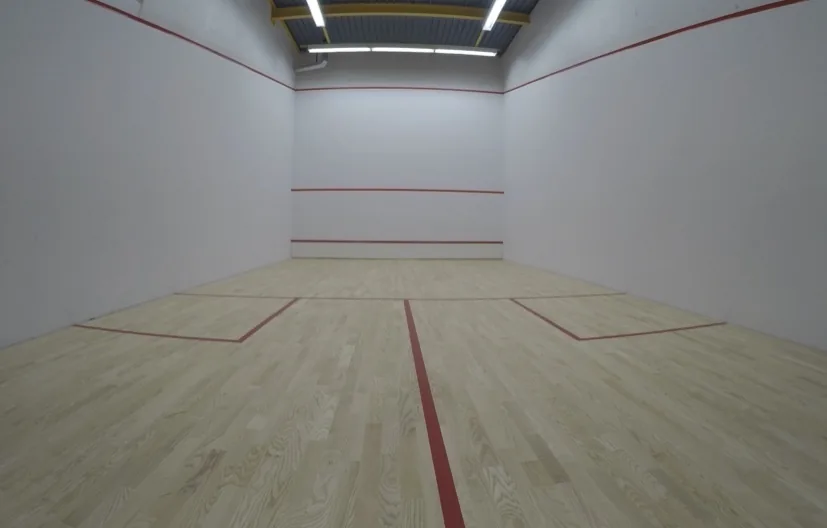
If you go to the wrong box, the marker should tell you, or your opponent will in a friendly game. If nobody notices, the rally stands, and you then serve from the other box if you win it. You must not serve before the receiver is ready. Our guide to squash court lines shows where the boxes are.
Lines are out. A serve that hits the service line on the front wall is a fault, and so is one that lands on the short line or the half-court line. Aim well clear of all of them.
Common faults
| Fault | How to avoid it |
|---|---|
| Foot on the line of the service box | Set your back foot well inside the box before you toss, and keep it there until you hit |
| Ball hits the front wall below or on the service line | Aim higher. Most beginners serve too low and too hard |
| Ball lands short of the short line | Hit with more height rather than more power |
| Ball lands in the wrong half | Aim to the front wall just past the middle, towards the opposite side |
| Ball hits the side wall before the front wall | Face the front wall more and shorten your swing |
| Ball served out over the out-line on a side wall | Soften your lob, especially on a hot day or with a lively ball |
A fault ends the rally and the receiver wins the point and the serve. In refereed matches the marker calls "fault, hand out". See squash referee calls.
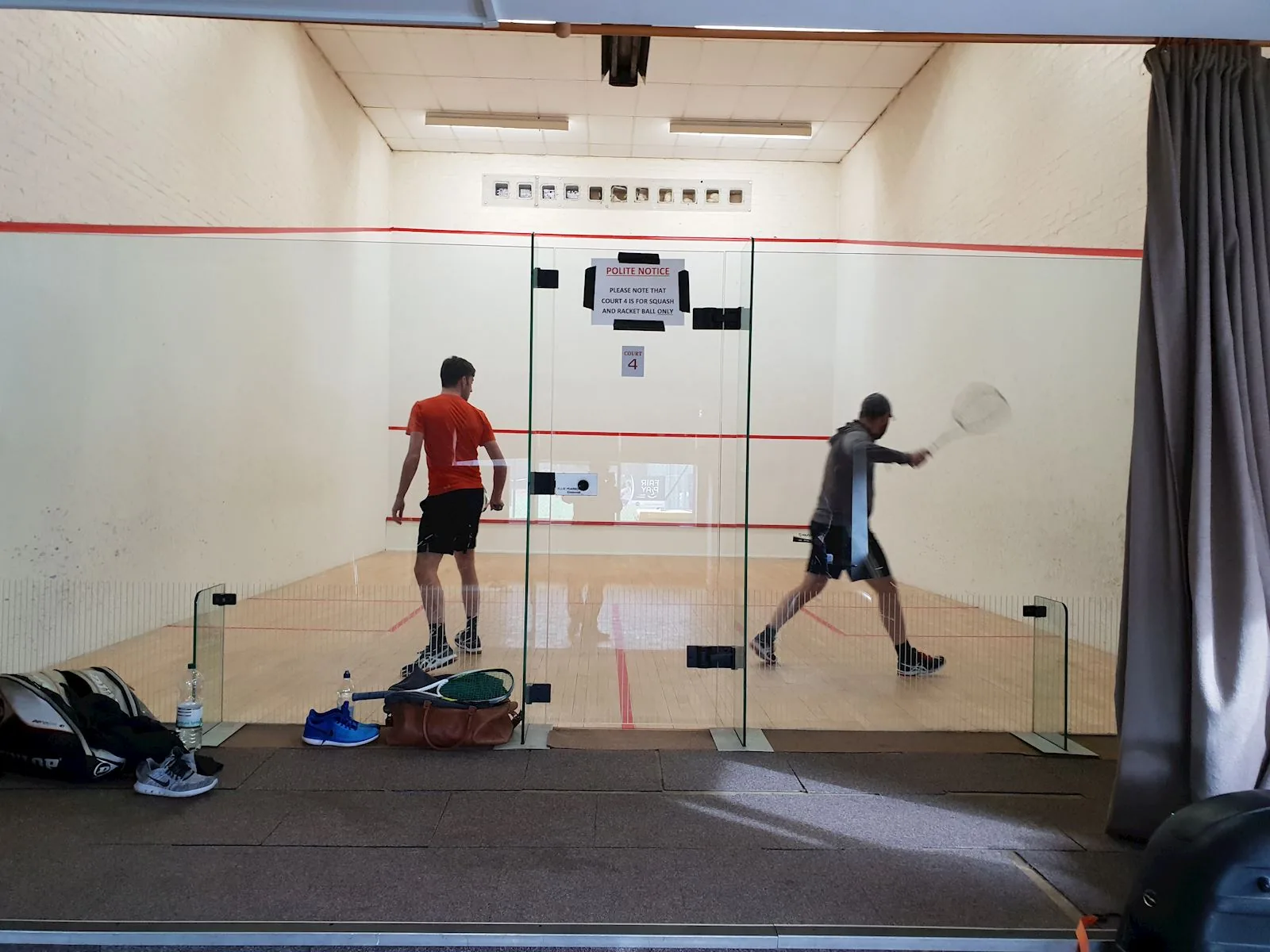
Stone Lawn Tennis & Squash Club
Stoke-on-Trent · Monday social night
Leyland Leisure Centre
Preston · Equipment to borrow
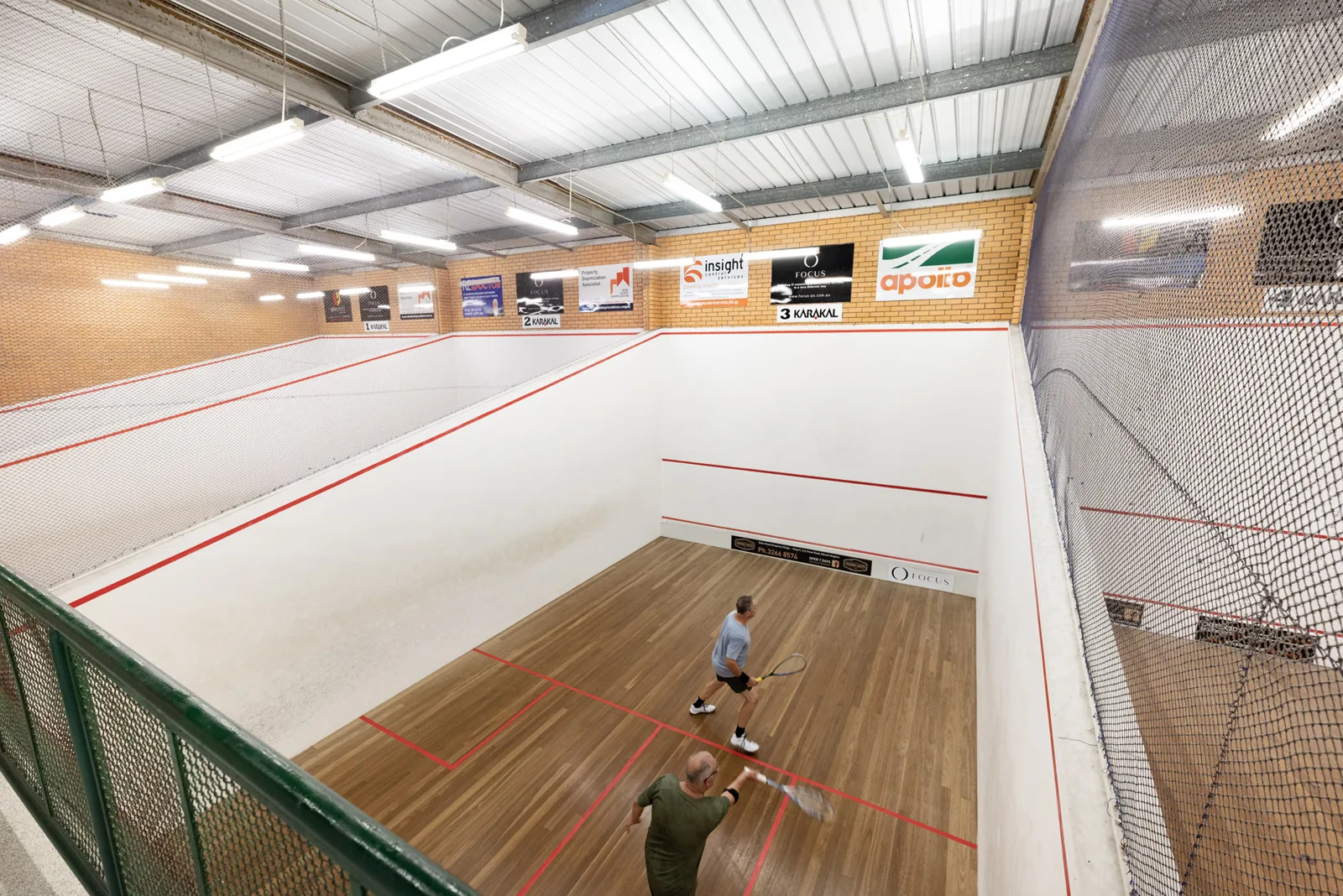
Stafford Squash Centre
Brisbane · Six courts since 1971
How to hit a lob serve
The lob serve is the most reliable serve in squash. It goes high and soft, hits the side wall near the back, and drops into the back corner where it is hard to attack.
- Stand in the box with your front foot pointing at the front wall corner on the side you are aiming at. Serving from the right box, most right-handers serve forehand.
- Hold the ball out in front of you at about waist height, away from your body.
- Drop or toss it gently and swing with an open racket face, lifting the ball rather than hitting through it.
- Aim high on the front wall, about a metre or so below the out-line and slightly past the centre.
- Let it hit the side wall high up, past the short line, so it drops steeply into the back corner.
A good lob forces your opponent to volley at shoulder height or dig the ball out of the back corner. Either way, they rarely hurt you with the return.
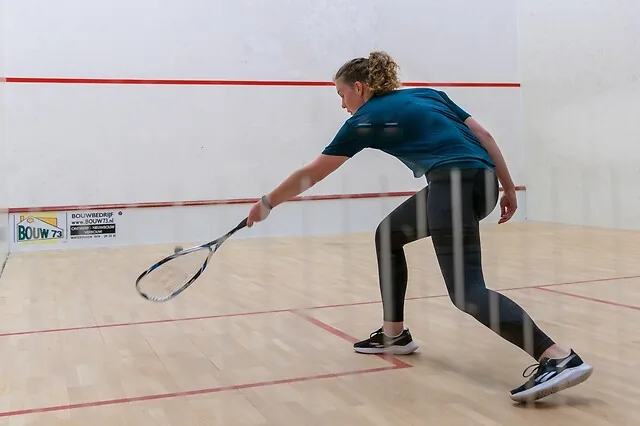
Other serves
- Hard serve. Hit flat and fast to the receiver's backhand or straight at their body. It can win outright against a slow opponent but is easy to volley if it is not accurate.
- Body serve. Aimed so the ball comes back towards the receiver's body, cramping their swing.
- Semi-lob. Lower and firmer than a lob, hitting the side wall around head height. Useful when the ceiling is low or the ball is very lively.
Pick one serve you can hit reliably and use it most of the time. Change it occasionally so your opponent cannot settle.
Where to stand after serving
As soon as you serve, step out of the box towards the T, the point where the short line meets the half-court line. From there you can reach most returns. If you stay in the box watching your serve, a simple straight return will pass you. Our guide to the T position explains why it matters.
A serving routine helps under pressure: same stance, same bounce of the ball, same breath. Practise ten lob serves from each box at the start of a solo session. Solo squash drills has more ideas, and squash rules covers what happens after the serve.
FAQ
Do you get two serves in squash?
No. Squash has one serve per rally. A fault loses the rally and the serve passes to your opponent.
Can a squash serve hit the side wall?
Yes, after it has hit the front wall. A serve that hits the side wall before the front wall, or both at the same time, is a fault.
Do both feet have to be in the service box?
No. Only one foot needs to be touching the floor inside the box, without touching the line. The other foot can be anywhere.
Can the receiver volley the serve?
Yes. The receiver can hit the serve before it bounces, in which case it does not matter where it would have landed.