Squash vs racquetball
 By the Find My Squash Court team·
Updated ·
5 min read
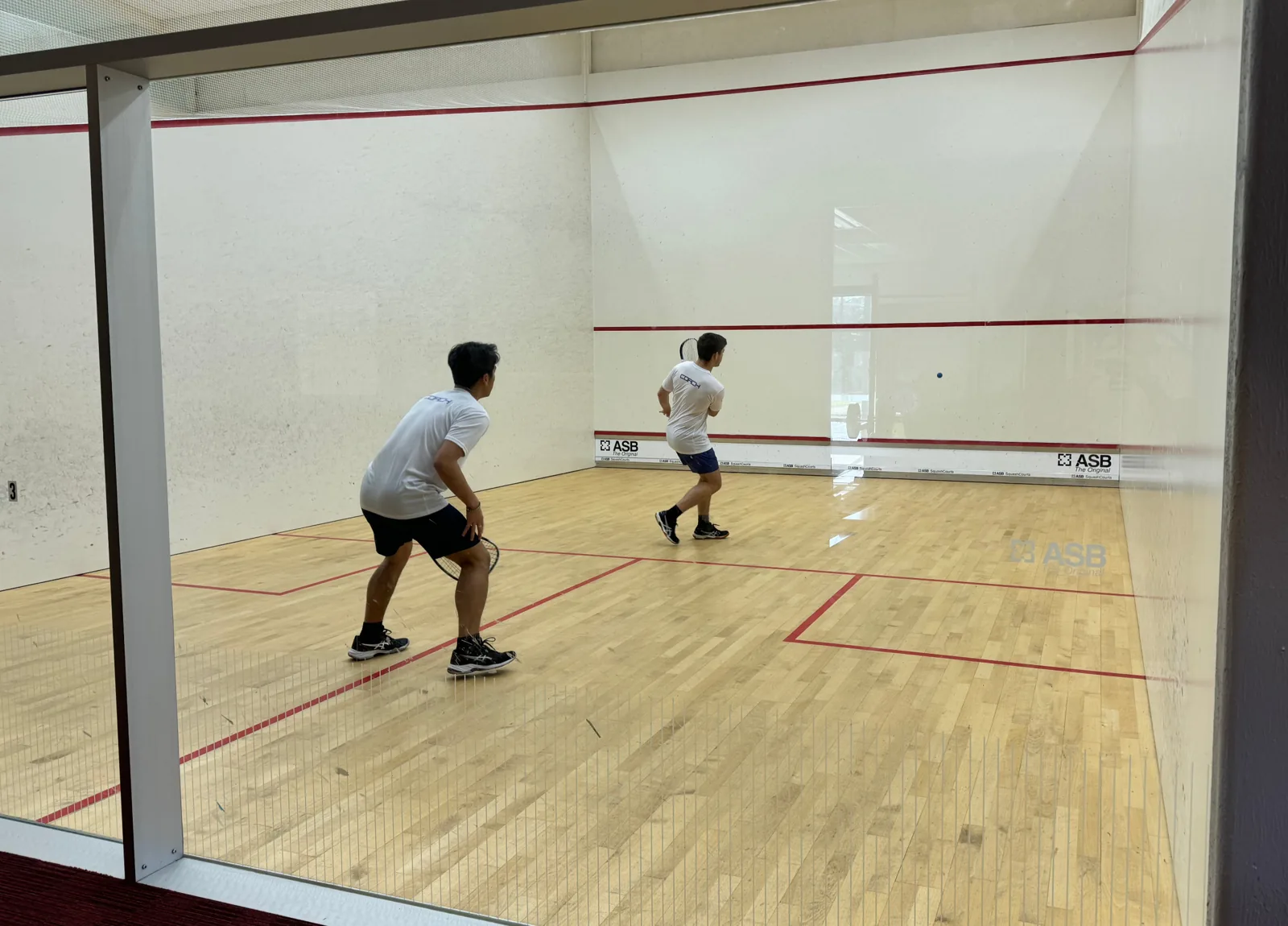
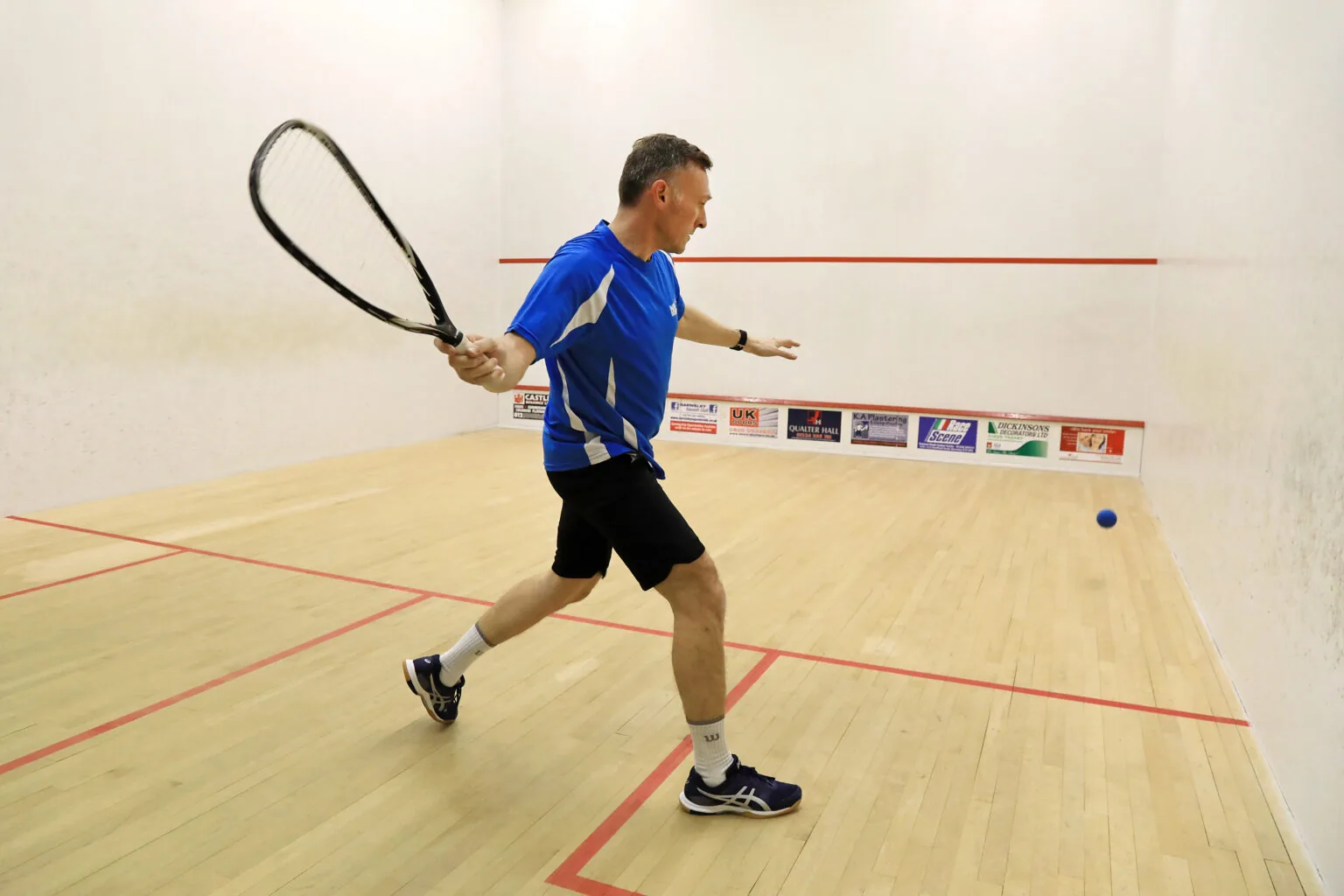
Squash and racquetball both put two players in a walled box, hitting a rubber ball against the front wall. The differences are in the court, the ball and the serve, and they change how each game feels.
The short answer
Squash is played on a 9.75 m by 6.4 m court with a tin and an out line, using a small, slow ball and a long strung racket. Racquetball is played on a bigger court, 40 by 20 by 20 feet, where the ceiling is in play, using a larger, much bouncier ball and a short racket. Racquetball is easier for beginners and more about power. Squash is more tactical and rewards placement. Racquetball is mainly a North American game. In the UK, the similar game played on squash courts is racketball.
Side by side
| Squash | Racquetball | |
|---|---|---|
| Court | 9.75 m long, 6.4 m wide | 40 ft (12.19 m) long, 20 ft (6.1 m) wide and high |
| Out of court | Tin at the bottom, out line at the top | No tin; walls, ceiling and back wall all in play |
| Ball | 40 mm, slow, must be warmed up | 2.25 in (57 mm), very bouncy |
| Racket | Up to 686 mm long | Up to 22 in (559 mm), with a wrist cord |
| Serve | Hit from a service box onto the front wall | Bounce and hit from a service zone onto the front wall |
| Scoring | Point a rally, games to 11 | Traditionally only the server scores, games to 15 |
| Main countries | UK, Ireland, Australia, NZ, Egypt and more | USA, Canada, Mexico, Bolivia |
Courts: tin, ceiling and lines
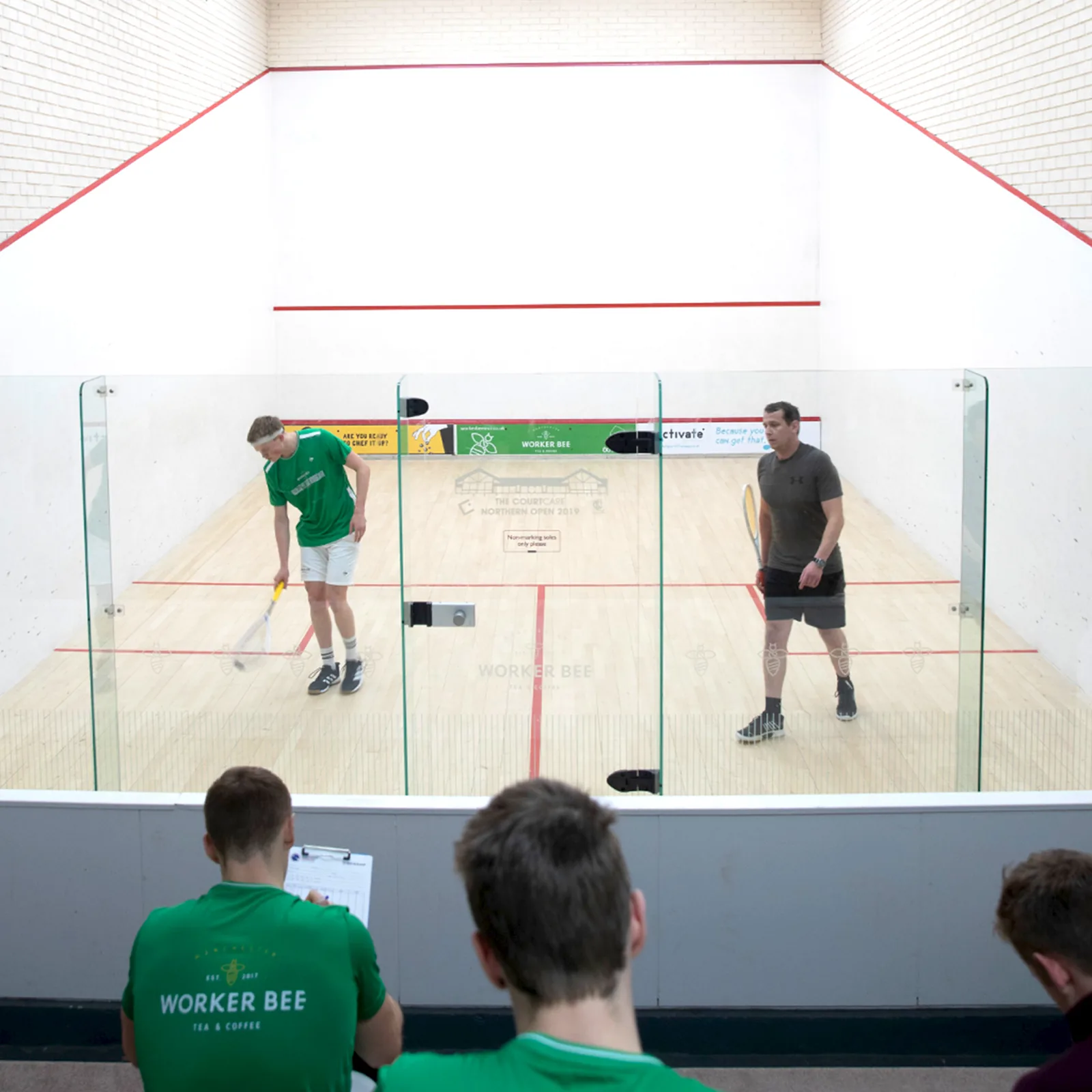
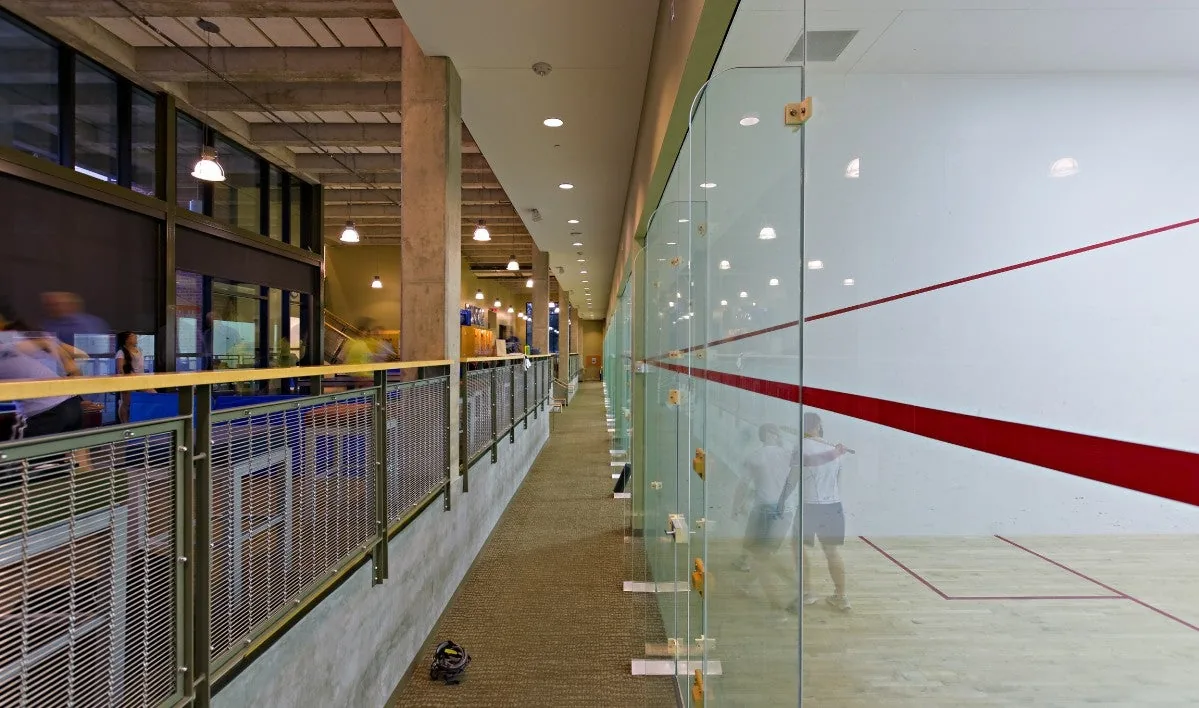
A squash court has a tin along the bottom of the front wall, and an out line that runs round the front, side and back walls. Hit the tin or above the line and you lose the point. Those limits make low, tight shots the key to winning. Our guide to squash court lines explains each one.
A racquetball court is longer and taller, with no tin and no out line. Every wall and the ceiling are in play, as long as the ball reaches the front wall before it touches the floor. Players use the ceiling for defensive shots and aim to hit the ball so low on the front wall that it rolls out flat, called a kill shot.
Ball and racket
The squash ball is small and hollow. A cold squash ball barely bounces, which is why players warm it up for a few minutes before a game. Club players use a double yellow dot ball, and beginners use bouncier blue or red dot balls. See what the dots on a squash ball mean.
The racquetball is bigger, usually blue, and lively from the first hit. It comes off the wall fast and travels a long way, so you have less time to react but more chance to reach a ball that would die in squash.
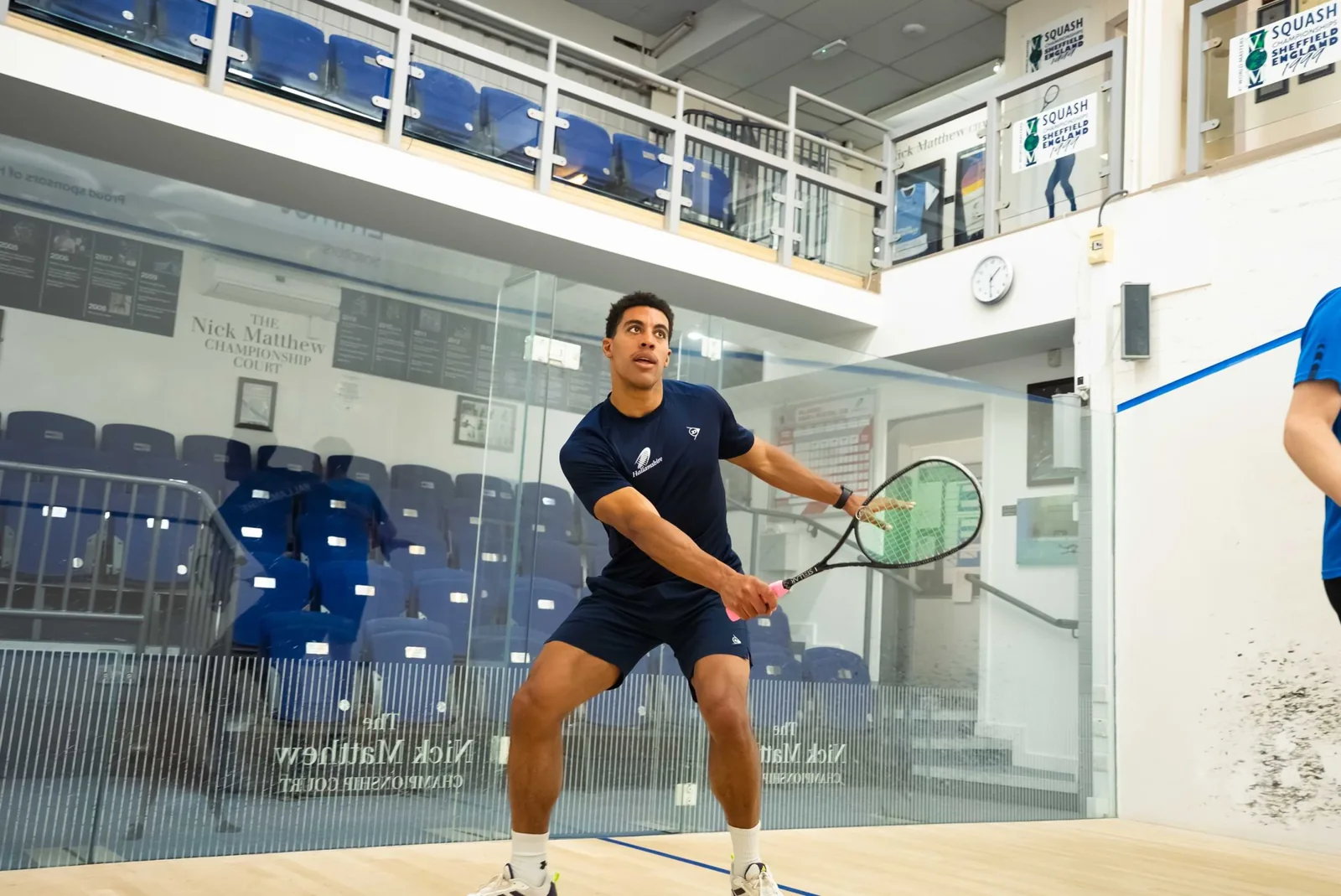
Rackets differ too. A squash racket is long with a small head, and the swing uses a lot of wrist and forearm. A racquetball racket is short with a wide head, and every player must wear a wrist cord so it cannot fly out of the hand.
Serving and scoring
In squash you serve with one foot in a service box, onto the front wall above the service line, so the ball lands in the back quarter on the other side. After that, either player can win a point on any rally. Games are to 11, win by two, and matches are usually best of five. Squash scoring covers the details.
In racquetball you bounce the ball in the service zone, then hit it onto the front wall so it lands past the short line. In traditional racquetball scoring only the serving side scores. Games are to 15, and a match is best of three with a shorter tie-break game to 11. Some events now use other formats, so check the local rules.
Racquetball and racketball are not the same. In the UK, racketball (also sold as squash 57) is played on a normal squash court, with the squash lines, using a larger, bouncier ball and a shorter racket. Read our racketball guide to see how it compares.
How the games feel
Racquetball feels quicker at first. The bouncy ball and the lack of a tin mean beginners can keep long rallies going from day one, and the power game is fun. The downside is that rallies can turn into slugging matches.
Squash is harder to start with because the ball dies, especially in the corners. Once you can rally, it becomes a game of placing the ball in the back corners and taking the middle of the court. Points are built shot by shot, and fitness matters a lot.
Both are hard work. The Compendium of Physical Activities gives general squash a MET value of 7.3 and general racquetball 7.0, so the energy cost is similar. See calories burned playing squash for what that means in practice.
Where you can play
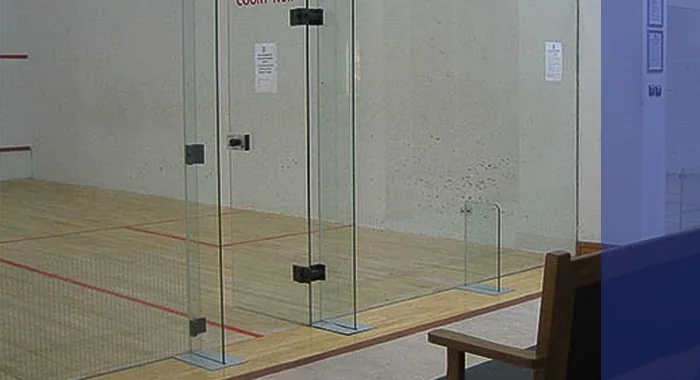
Racquetball is strongest in the United States, Canada and Latin America. Outside those, you will find it at a few clubs, often sharing a building with squash. In Australia, some squash clubs also run racquetball competitions, and in Ireland a handful of venues have racquetball courts.
Squash courts are much easier to find in the UK, Ireland, Australia and New Zealand. If you are new to it, start with squash for beginners.
FAQ
Can you play racquetball on a squash court?
Not true racquetball, because the court is smaller and the ceiling rules differ. You can play UK-style racketball on a squash court, using a bigger, bouncier ball.
Is racquetball easier than squash?
At first, yes. The bouncy ball and the lack of a tin make rallies easier for beginners. Both take years to master.
Is squash or racquetball better exercise?
They are similar. The Compendium of Physical Activities rates general squash slightly higher than general racquetball, but your effort matters more than the sport.
Why is racquetball more popular in the US?
Racquetball took off in the United States in the 1970s, when many gyms built its larger courts. Squash grew in Britain and its former colonies, so each country built courts for its own game.