Joining a squash league
 By the Find My Squash Court team·
Updated ·
5 min read
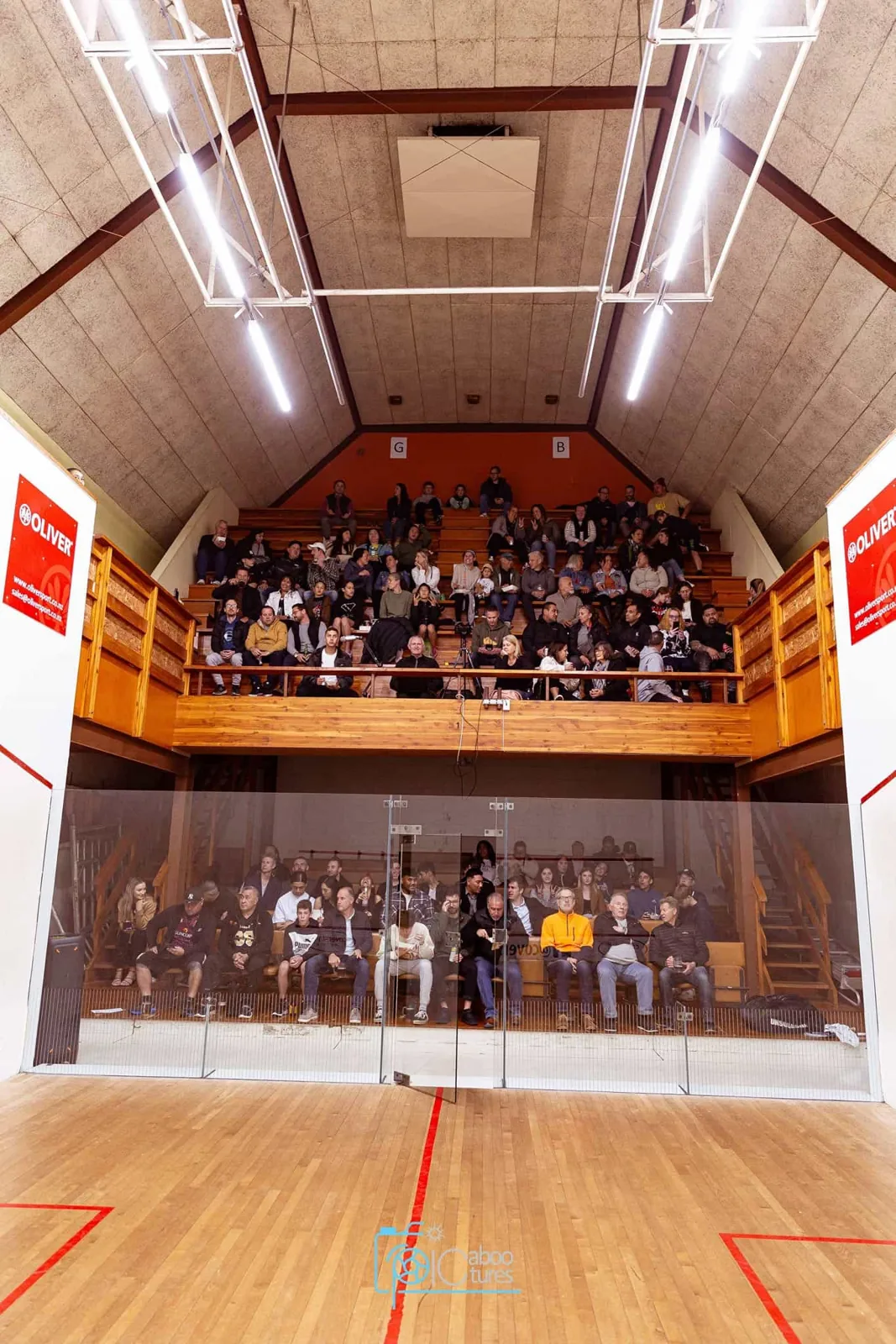
Squash leagues come in two kinds: internal leagues run inside one club, and team leagues where clubs play each other. Almost everyone starts with the first, and you can be playing league squash within a few weeks of joining a club.
The short answer
To join a squash league, join a club that runs one. Most clubs have internal box leagues or ladders open to members of any standard, and you can usually enter at the start of the next round. Once you are playing regularly, ask the club captain about team squash: in the UK these are county or district leagues, in Australia pennant, and in New Zealand interclub. Leisure centres rarely run leagues themselves, but many host a club that does. Entry is usually free or a few pounds a round on top of membership.
Types of squash league
| League | Who runs it | Format | Good for |
|---|---|---|---|
| Box league | Your club | Small groups, everyone plays everyone each round | All levels, including beginners |
| Ladder | Your club | Ranked list, challenge players above you | Flexible players |
| Club night competition | Your club | Short games on a set evening | Social players |
| County or district league | A county association or league committee | Club teams play home and away | Regular club players |
| Pennant or interclub | State or regional associations (Australia, NZ) | Club teams on a set night each week | All grades, including social |
Box leagues and ladders are explained in detail in box leagues and ladders explained.
How to join
- Find a club with leagues. Our city pages show which clubs run leagues. Cities with the most clubs running squash leagues in our directory:
- Go to a club night first. It lets the organiser see your level and place you in the right box. Many clubs let non-members try one for free or a few pounds.
- Join the club. Internal leagues are usually for members. Ask whether there is a trial or monthly membership if you are unsure.
- Ask the league organiser to add you. Most clubs add new players at the start of the next round. Some put new entrants in the bottom box, others place you by level.
- Get set up on the system. Many leagues run online through the club's booking system, SportyHQ or a spreadsheet emailed out each round.
Getting into a team
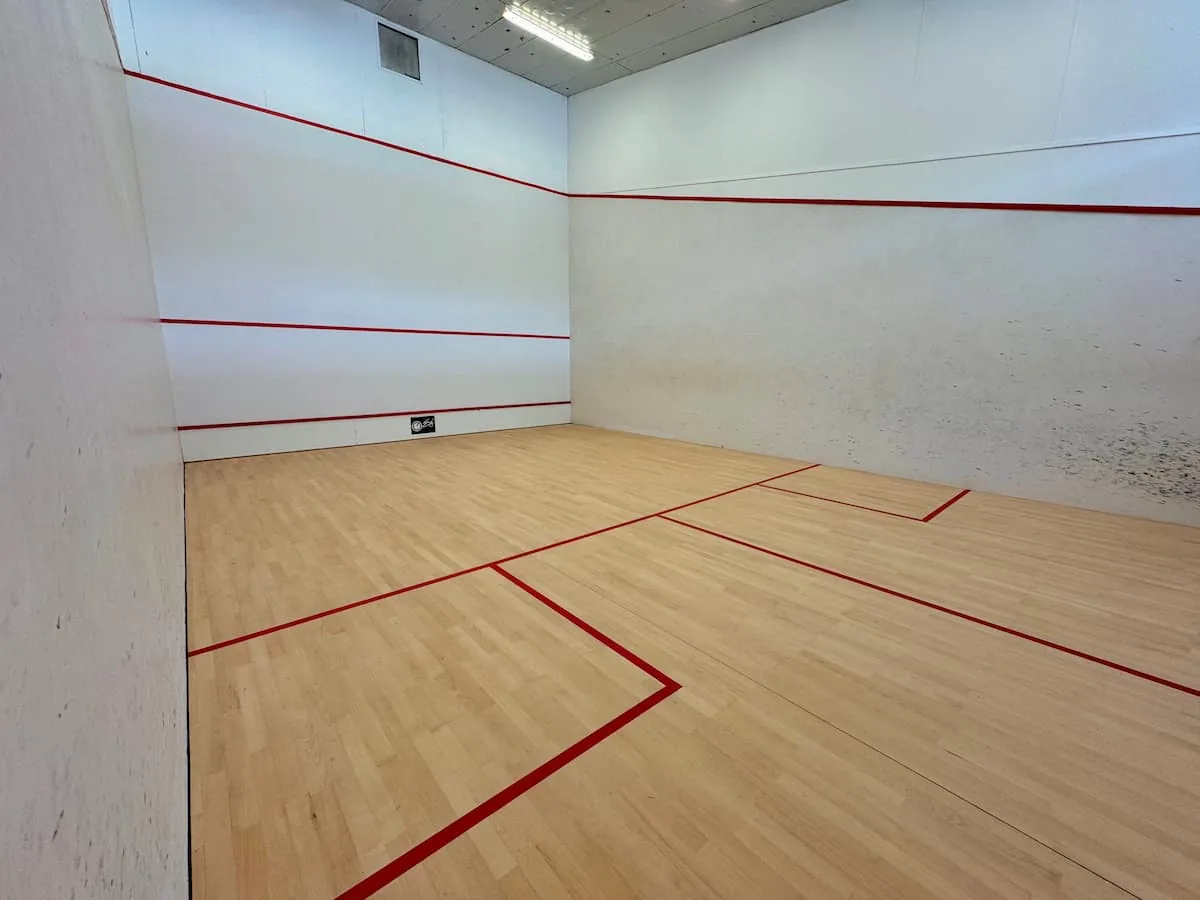
Team squash is where club squash gets its character: a weekly or fortnightly match, home and away, with a drink afterwards. In the UK, most teams play in county or district leagues over a winter season, and some areas also run a summer league.
A team match is usually four or five singles rubbers, with players ordered by strength from first string down. Leagues have several divisions, so lower teams are full of steady club players rather than county stars.
Examples from our directory:
- The Neston Club, near Chester: six squads in the North West Counties Squash League, plus two in the Merseyside and Cheshire Racketball League.
- Weald Racquets Club, near Brighton: eight teams in the Sussex Squash Leagues.
- Bounty Squash, Basingstoke: four adult and two veteran teams in the Berkshire leagues.
- Barnsley Squash Club: teams in the Yorkshire, Sheffield and District, and Kirklees Calderdale leagues.
To get a game, tell the captain you are keen and available. Team captains are always short of players for the lower teams, especially on a wet Tuesday in February. Do well in the internal leagues and you will be asked.
Check the affiliation fee. Some clubs add a national governing body fee to membership for players who compete. Windsor Tennis Club in Belfast, for example, lists a £14 adult affiliation fee on top of squash membership.

Pennant and interclub
Australia calls team squash pennant. Teams play on a set evening each week in a grade that matches their level. Westerfolds Templestowe Squash Centre in Melbourne enters pennant teams in SSL, Club Circuit and VMSA Masters, Woden Squash Centre in Canberra is the base for most ACT pennant competitions, and Hiscoes in Sydney fields Sydney Pennant teams. Since January 2025, Squash Australia competitions run through MySquashAUS.
New Zealand calls it interclub. Henderson in Auckland has men's and women's teams in the Squash Auckland interclub league. Hamilton Squash and Tennis Club has winter and summer interclub teams, and Ruakura in Hamilton has leagues for men, women and masters as well as doubles interclub. Christchurch Squash Club also runs a social pennant night. Players are graded, and results feed the national ratings. See squash ratings.
What it costs
Internal leagues are usually free or close to it for members. Hallamshire in Sheffield says its box leagues are free for members. You still pay the court fee for each match, split with your opponent.
Team leagues may add a small match fee, the court and ball costs for home matches, and travel to away fixtures. Clubs usually cover the league entry fee from membership. If you are weighing up whether membership is worth it for leagues alone, see squash club membership.

Hamilton Squash and Tennis Club
Hamilton · Interclub teams

Woden Squash Centre
Canberra · Home of ACT pennant

Christchurch Squash Club
Christchurch · Social pennant night
FAQ
How do I join a squash league?
Join a club that runs internal leagues and ask the organiser to add you at the start of the next round. Most clubs welcome players of every level.
Do I have to be good to play in a squash league?
No. Box leagues place you with players of a similar standard, and team leagues have lower divisions for steady club players.
Can I join a squash league without joining a club?
Rarely. Internal leagues are usually for members, and team leagues are played by club teams. A few venues run open leagues, so ask locally.
When does the squash league season start?
In the UK, team leagues mostly run through the winter, starting around September. Internal box leagues usually run all year, with new rounds every month or so.