Junior squash: getting children started
 By the Find My Squash Court team·
Updated ·
6 min read
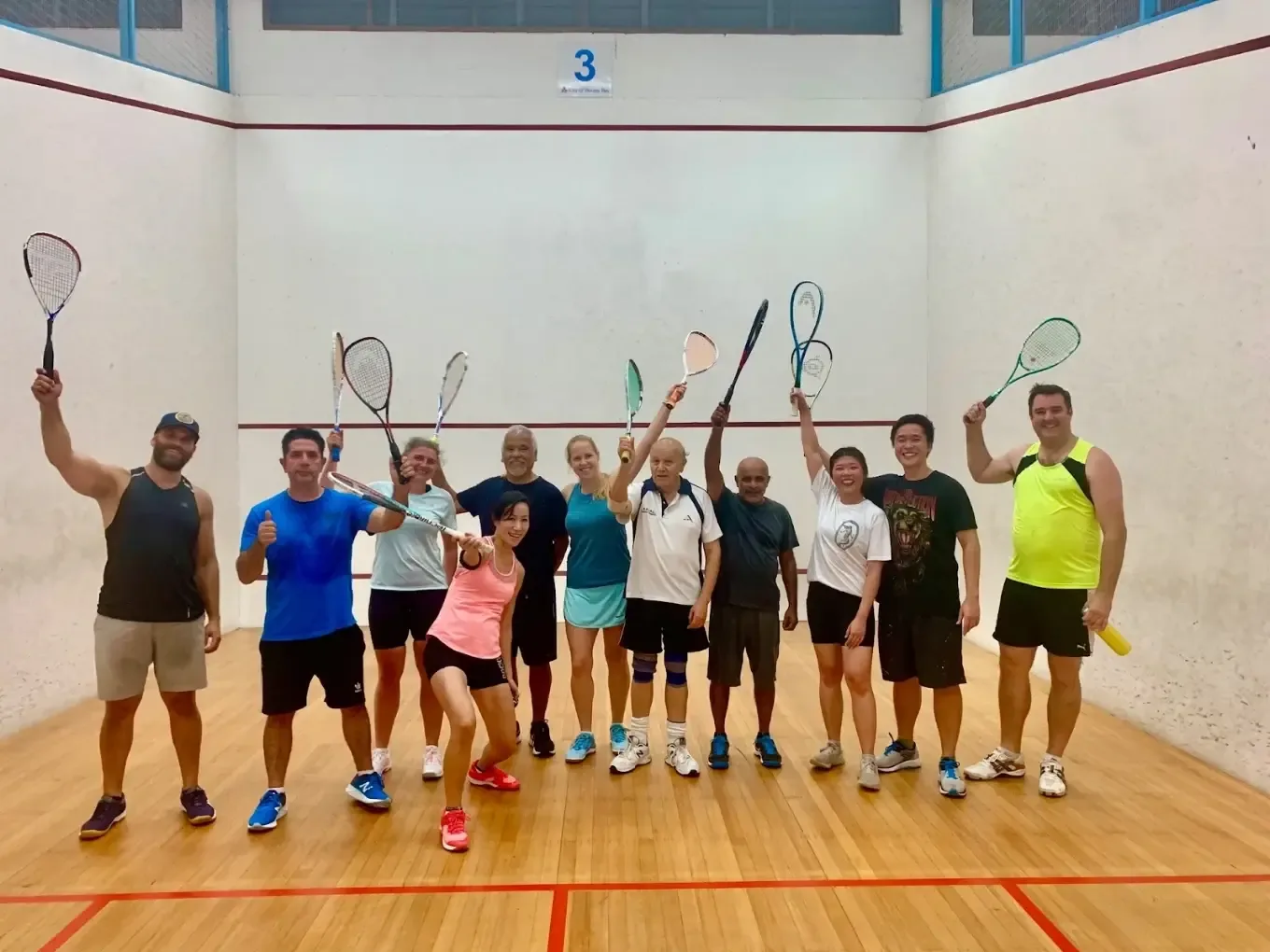
Most squash players who start young start at a club's junior session on a Saturday morning or a weekday evening. This guide covers how junior squash is set up, what a child needs, what it costs and how to find a good programme near you.
The short answer
Junior squash is coached squash for children and teenagers, usually run by clubs and leisure centres in weekly group sessions. Young beginners start with shorter rackets and bigger, bouncier balls, then move to full-size kit as they grow. Sessions are grouped by age and level, from fun games for five-year-olds to squad training and junior leagues for teenagers. Protective goggles are expected. In the UK in 2026, a group session typically costs £3 to £7.50 and junior court hire around £4.50 to £11.50.
What junior squash looks like
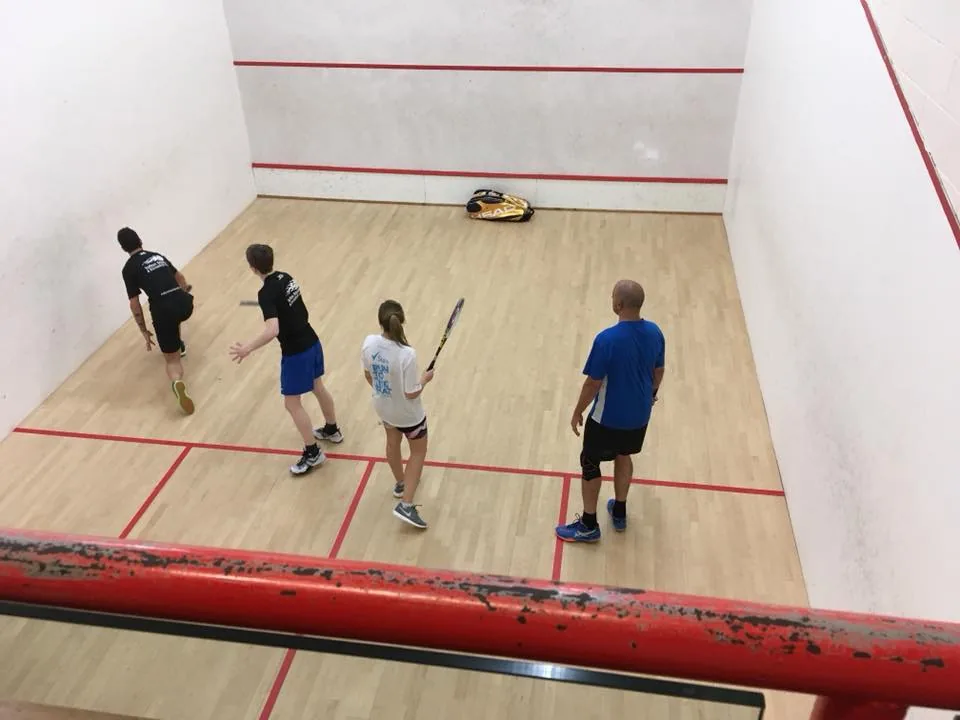
A typical junior session lasts 45 to 60 minutes with one coach and six to twelve children spread across one or two courts. The coach mixes short drills with games: feeding balls for forehands, target practice on the front wall, then a few minutes of points at the end. Younger groups play more games and fewer drills.
Most clubs run sessions after school or on weekend mornings, in term time. Leisure centres often run them as courses of six to ten weeks that you book and pay for up front. Members' clubs tend to run them all year, with a junior membership on top.
Squash suits children better than many parents expect. The court is enclosed, so the ball never needs fetching from the next field. Rallies start quickly, and a child who can hit a ball against a wall can join in on the first day.
The usual stages
Every country and club names its levels differently, but the path looks much the same everywhere.
| Stage | Typical ages | What happens |
|---|---|---|
| Mini squash | About 5 to 8 | Short rackets, big soft balls, games on part of the court |
| Starter juniors | About 8 to 11 | Junior rackets, bouncier beginner balls, basic strokes and rules |
| Improvers | About 10 to 14 | Full-size court and ball, tactics, first matches and box leagues |
| Squad | About 12 to 18 | Selected training, fitness work, county and national events |
Ages are a rough guide. A tall, sporty nine-year-old may move up early, and a teenager starting from scratch belongs in a beginner group whatever their age. Our guide to mini squash covers the first stage in more detail, and what age can kids play squash covers when to start.
In England, Squash Stars is the national starter course for primary-school children, run at clubs and leisure centres by trained leaders. When it launched it was a six-week course of group sessions with a racket, ball, bag and goggles included. Other national bodies, such as Squash Ireland, Squash Australia and Squash New Zealand, support similar club programmes.
What your child needs
- Goggles. Protective eyewear is compulsory in junior events sanctioned by the World Squash Federation, and clubs generally insist on it in junior sessions too. Buy a pair made for squash, not swimming or sunglasses.
- A racket that fits. Junior rackets are shorter and lighter than adult ones. Most clubs lend rackets for the first few weeks, so wait until the coach suggests a size.
- Non-marking indoor shoes. Clean trainers with gum or white soles. Running shoes with black soles mark the floor and grip badly.
- The right ball. Coaches supply balls in sessions. For practice at home or with a parent, a larger, bouncier beginner ball is far easier than the double-yellow-dot ball adults use.
- A water bottle left outside the court door.
See squash goggles for what to look for, and squash ball dots for the ball range.
Do not buy an adult racket to grow into. A racket that is too long or heavy forces a child to swing from the shoulder and builds bad habits fast. A cheap junior racket for a year is the better buy.
What junior squash costs
Junior squash is one of the cheaper racket sports for children, because one court holds a whole group. Prices from venues in our directory, checked in 2026:
- Group sessions (UK): £3 per session at one Liverpool club, £4 for Saturday coaching in Middlesbrough, and £5 for members or £7.50 for non-members at a Basingstoke club.
- Courses (New Zealand): NZ$40 a term of junior coaching for non-members in Hamilton.
- Junior court hire (UK): £4.50 per court for 40 minutes in Wolverhampton, £5.80 in Leeds and £11.50 for two players at a Leicester council centre.
- Junior club membership: from £15 a year in Bedford and £48 in Middlesbrough to £80 in Chester, and €185 for juniors and students at Dekker Warmond near Leiden.
Private lessons cost much more than group sessions. How much squash coaching costs has the details.
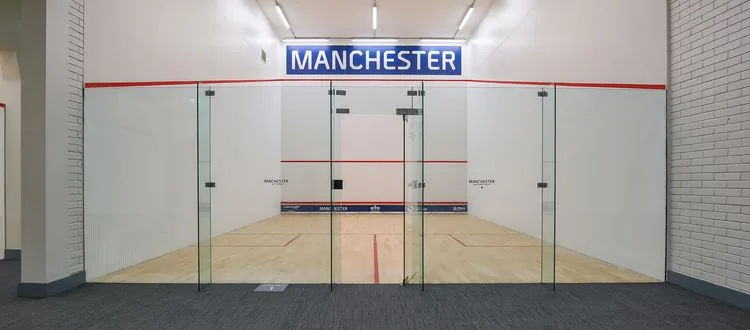
Moss Side Leisure Centre
Manchester · Squash Stars
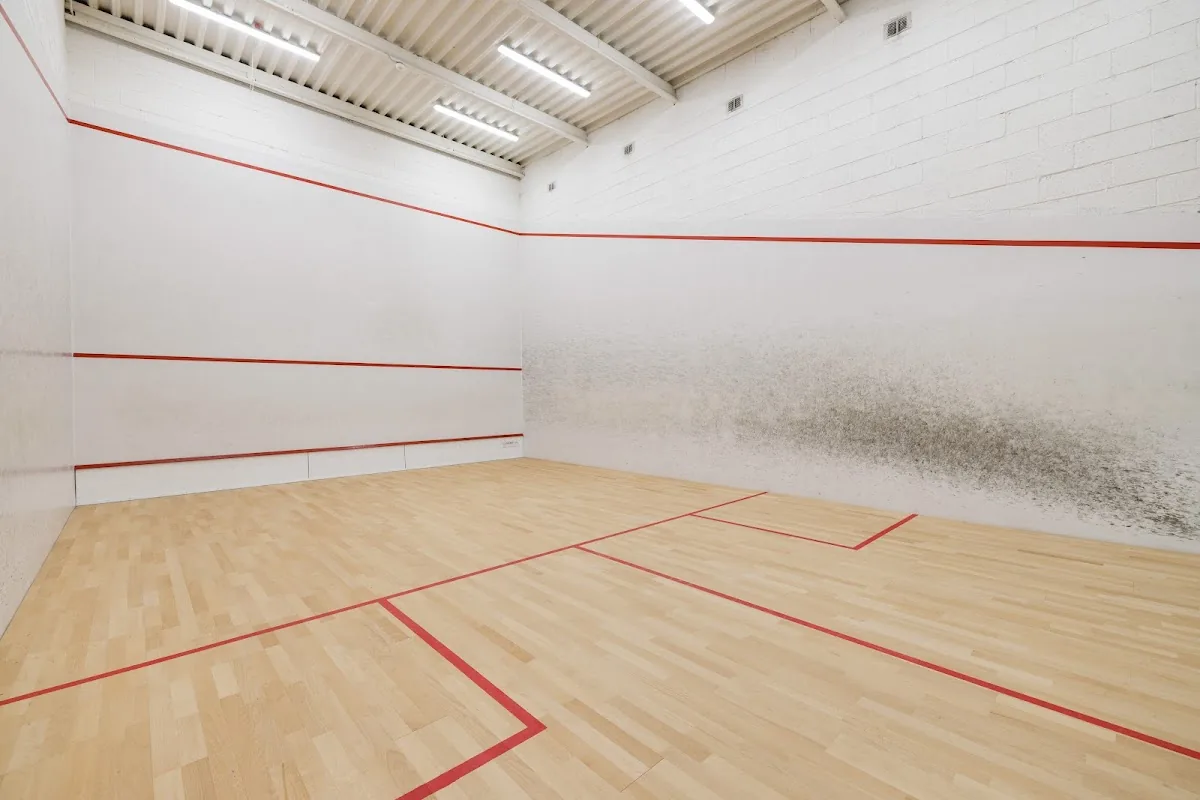
Mount Pleasant Lawn Tennis Club
Dublin · Junior programme
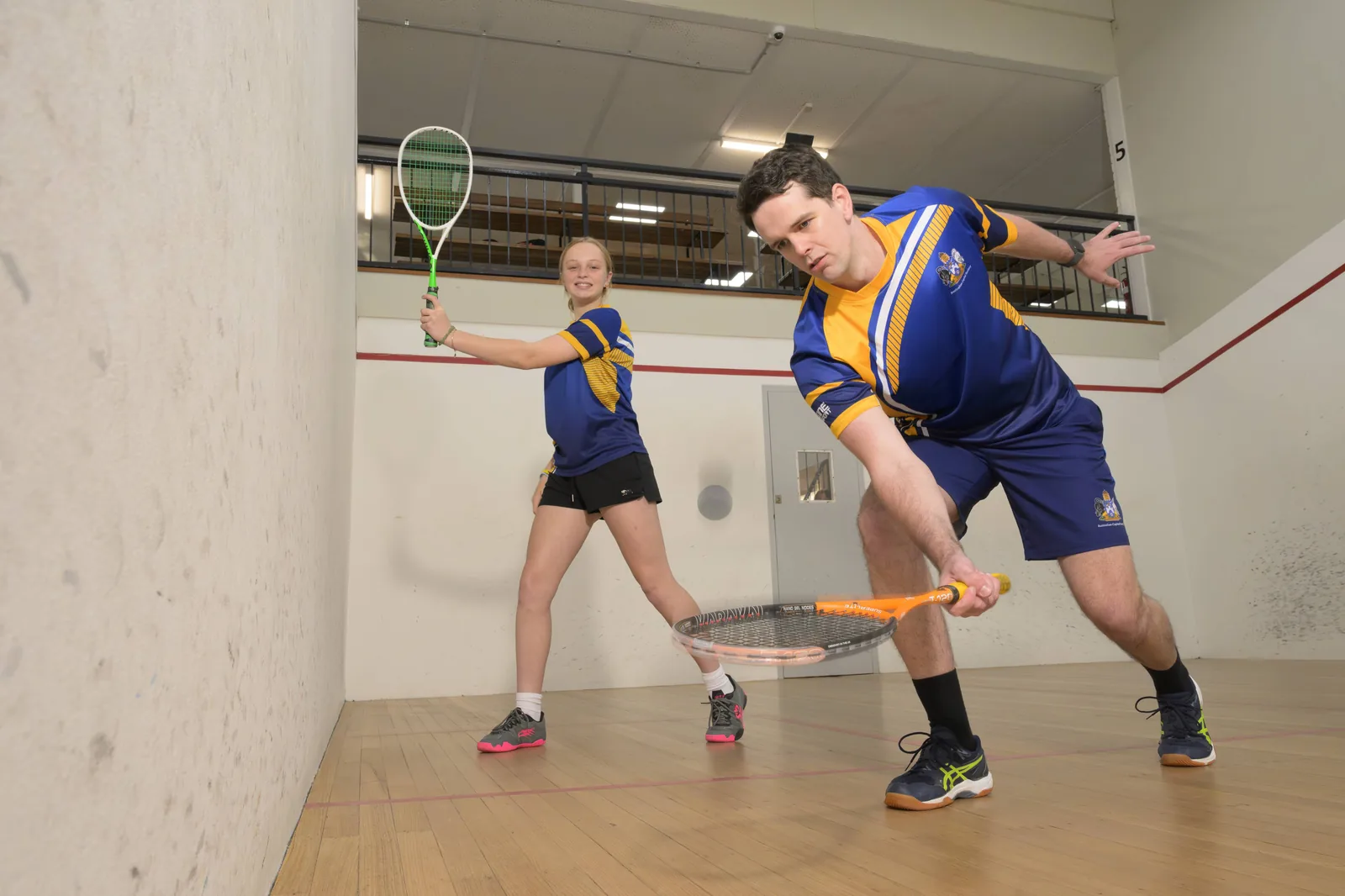
Woden Squash Centre
Canberra · Junior squad training
How to pick a programme
A good junior programme is easy to spot once you watch one session. Ask if you can stand in the gallery for ten minutes before you sign up.
- Children are hitting, not queuing. If most of the group stands at the back wall waiting for a turn, the group is too big for the coach.
- The coach is qualified and checked. Ask about their coaching level and whether they hold a current safeguarding check, such as a DBS check in England and Wales.
- Groups are split by level. Mixing complete beginners with club players frustrates both.
- Goggles are worn every time. A programme that lets this slide is cutting other corners too.
- There is a next step. Look for junior box leagues, club nights or matches, so a keen child has somewhere to go.
Members' clubs often have the strongest programmes, because the same coach and the same group of children stay together for years. Leisure centres are cheaper to try and need no membership.
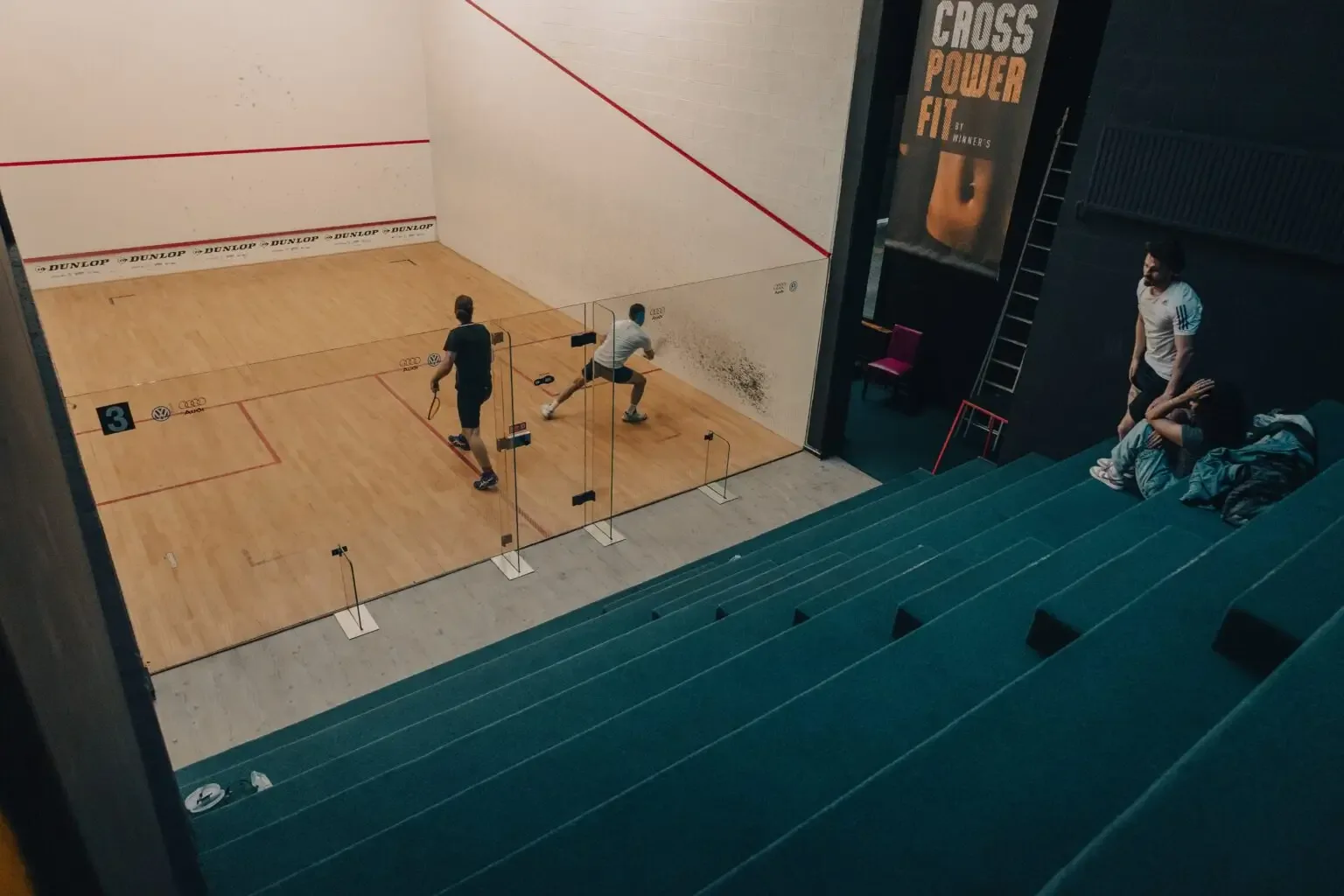
Leagues and tournaments
Many clubs run junior box leagues, where four to six children of a similar level play each other over a month. It is the gentlest way into competition. After that come county or regional junior events, usually split into under-11, under-13, under-15, under-17 and under-19 age groups, and then national and international junior opens.
Junior matches use the same rules and scoring as adult squash: point-a-rally to 11, usually best of five games. See squash scoring and squash box leagues for how both work. Cities with the most venues offering squash coaching in our directory:
FAQ
What age is junior squash for?
Most clubs take children from about five or six for mini squash and keep them in junior sessions until they turn 18 or 19. Junior competitions usually run up to under-19.
Does my child need to join a club for junior squash?
No. Many leisure centres run junior courses that you book without membership. Clubs often have stronger programmes but usually ask for a junior membership.
Is squash safe for children?
With goggles and coached sessions, yes. The main risk in squash is being hit in the eye by the ball or a racket, which is why junior players are expected to wear protective eyewear.
Can girls and boys train together?
Yes. Most junior groups are mixed and split by age and level. Some clubs also run girls-only sessions to keep more girls playing into their teens.