Your first game of squash
 By the Find My Squash Court team·
Updated ·
5 min read
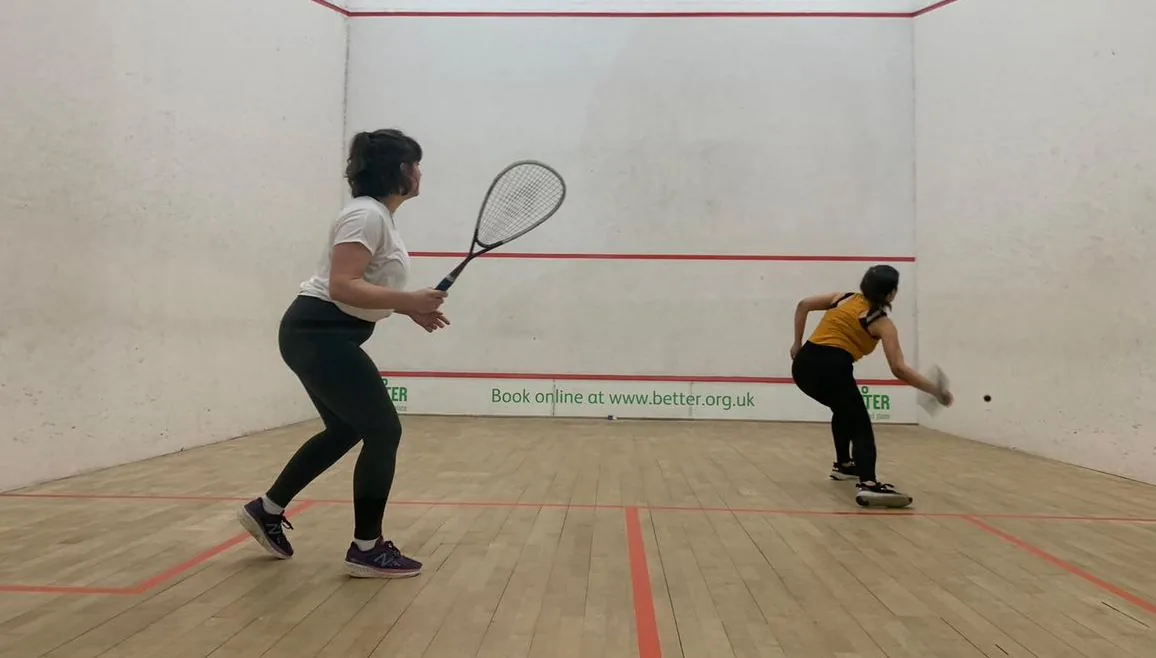
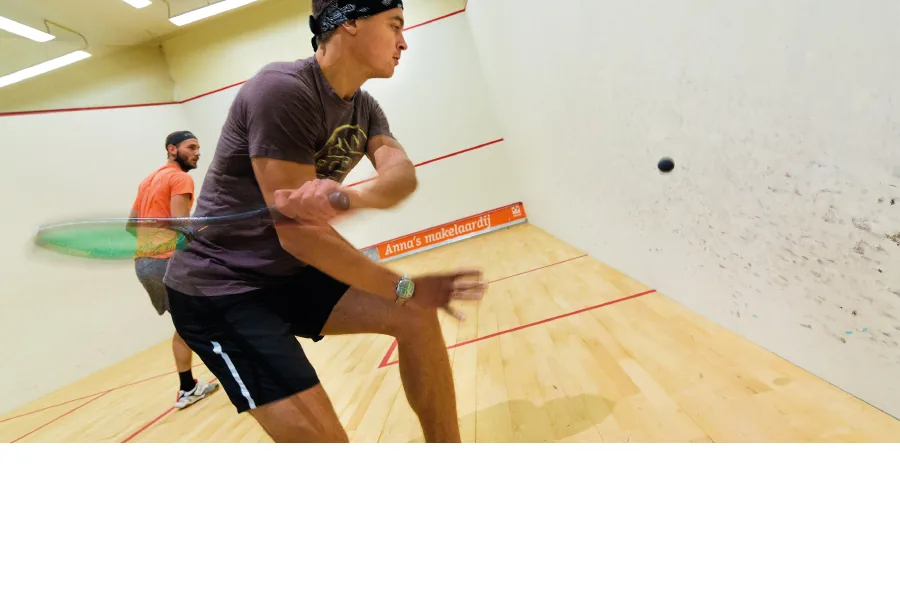
Your first game of squash is mostly about getting the ball back to the front wall and not running into each other. Here is what to book, what to bring and how to spend your first 40 minutes on court so you want to come back.
The short answer
For your first game, book an off-peak court at a leisure centre for 40 or 45 minutes, which in the UK in 2026 usually costs about £7 to £15 for the court. Wear indoor trainers with non-marking soles and bring goggles, a water bottle and a red-dot or blue-dot beginner ball. Most centres hire rackets for free or up to about £3. Warm the ball up, rally for 10 to 15 minutes without scoring, then play a few games to 11 with relaxed rules.
Booking a court
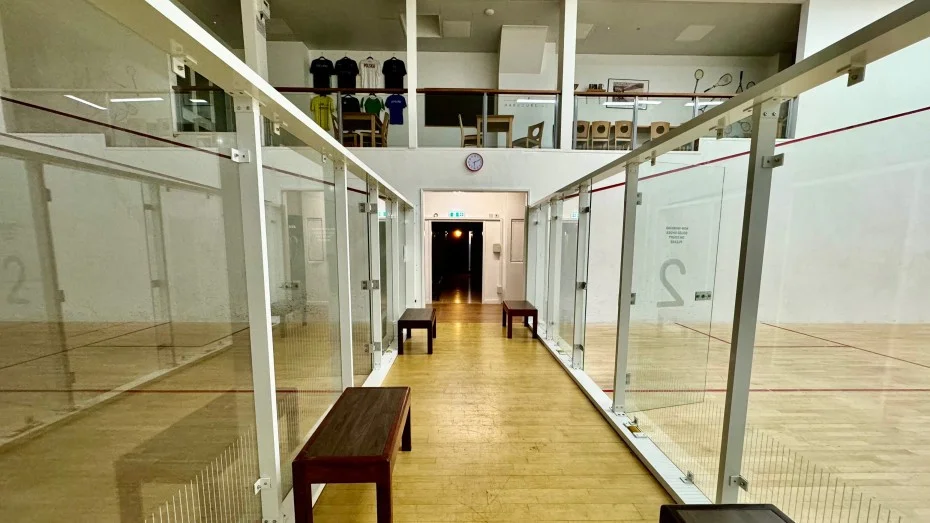
Leisure centres are the easiest place to start. You do not need a membership, you book online or at reception, and most hire out rackets. Clubs are often cheaper per game but may only let you play as a member's guest. How to book a squash court covers the details.
Book a standard slot, usually 40 or 45 minutes. That is plenty for two beginners: squash is tiring, and most new players are done after half an hour of real effort. Pick an off-peak time if you can. Weekday daytime courts are cheaper and the centre is quieter, so there is nobody waiting at the door.
Prices from leisure centres in our directory, checked in 2026: £9 per court for 40 minutes in Wolverhampton, £9.70 at Liverpool's council centres, £11 in Leeds and £12.45 in Derby. Off-peak rates are often a few pounds lower. Some centres charge per court and some per player, so check before you split the cost.
What to bring
- Indoor trainers with non-marking soles. Gum, white or light soles. Running shoes slip on a wooden floor and black soles leave marks. See squash shoes.
- Goggles. A squash ball fits the eye socket. Proper squash goggles are cheap and some centres lend them.
- Comfortable sports clothes. Shorts or leggings and a T-shirt. You will sweat. What to wear for squash has more.
- A ball. Do not use the double-yellow-dot ball. It is made for strong players and barely bounces for beginners. A red-dot or blue-dot beginner ball is slightly larger and bouncier, so it stays in play far longer. See squash ball dots.
- Water and a towel. Leave them outside the court door.
Racket hire at the centres in our directory ranges from free in Belfast to £2 in Cambridge and £3.15 in Derby, sometimes with a ball included.
Bring someone at your level. Two beginners usually have more fun than a beginner and a club player. If a friend who plays is taking you, ask them to rally with you rather than beat you.
A plan for your first 40 minutes
- Warm the ball (5 minutes). Take turns hitting the ball firmly to the front wall from the middle of the court. It gets bouncier as it warms up.
- Rally to yourself (5 minutes). One player at a time, hit forehands down the side wall and let the ball come back to you. Then switch sides for backhands.
- Rally together (10 minutes). Hit alternately to the front wall without scoring. Count your longest rally. Ten shots in a row is a good first target.
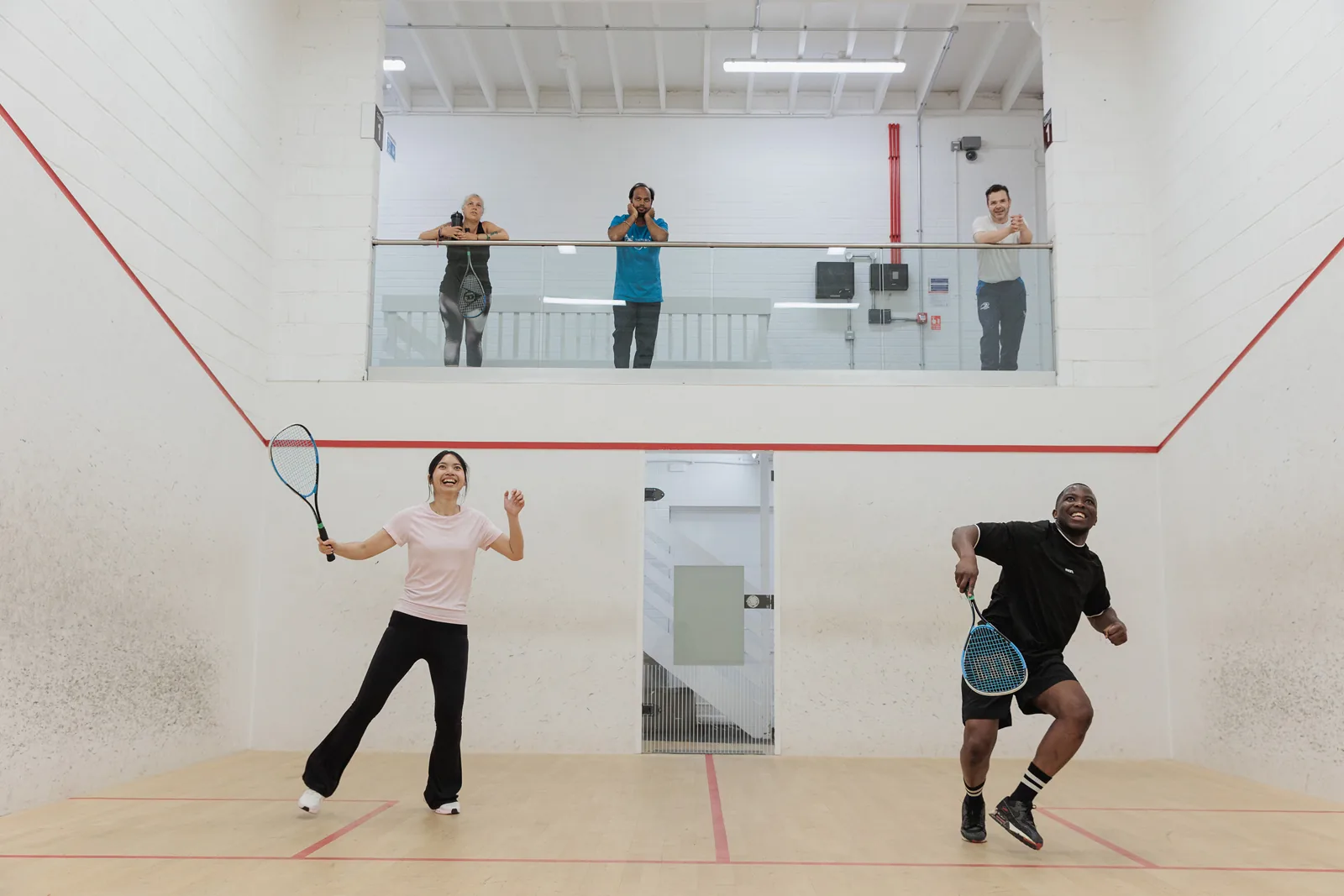
- Play some points (15 minutes). Play games to 11 with the server calling the score. Be generous: allow a second bounce if you both agree, and replay any point where you got in each other's way.
- Cool down (5 minutes). A few easy hits, then off court on time.
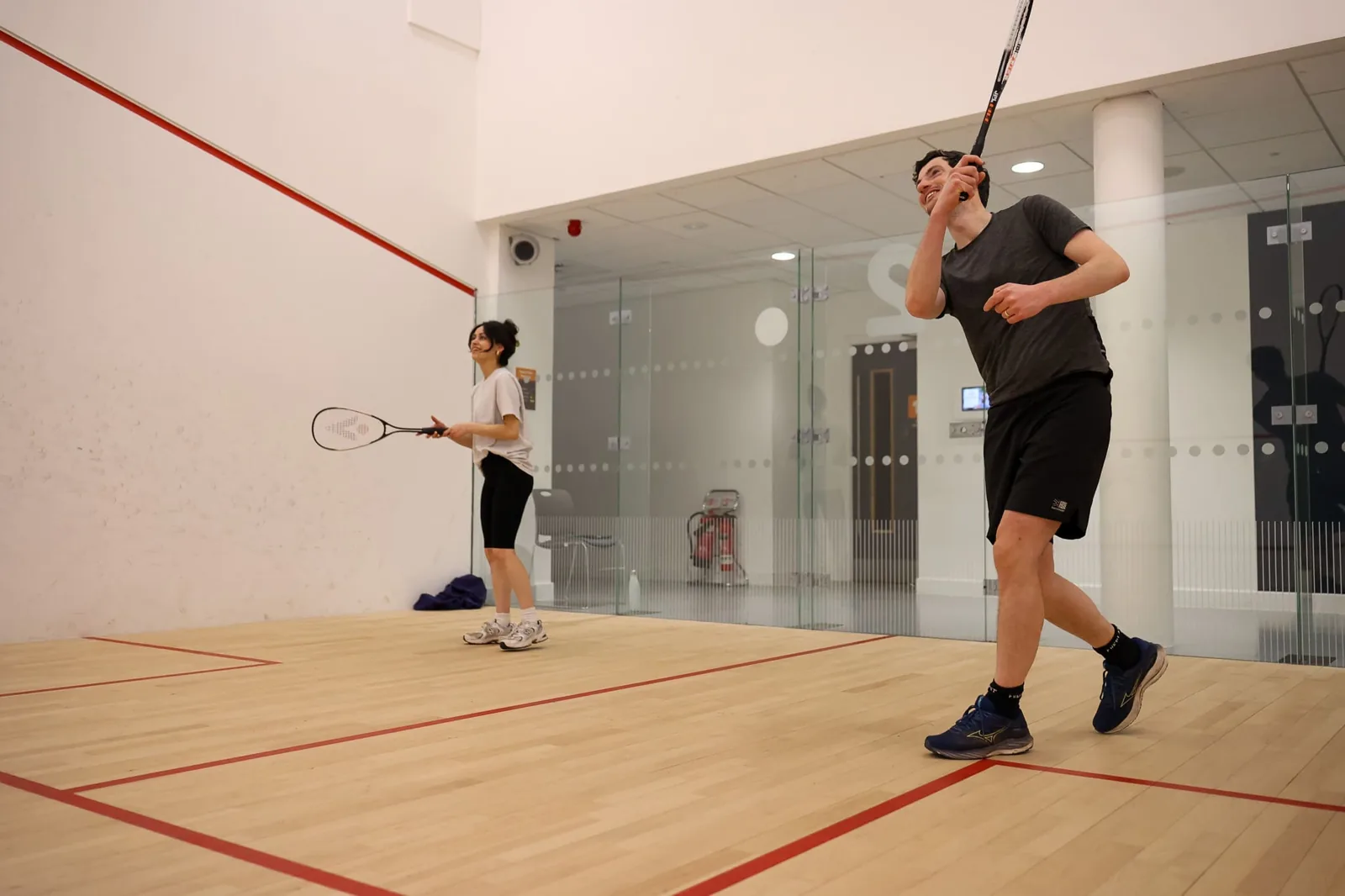
Meadowbank Sports Centre
Edinburgh · 30-minute bookings
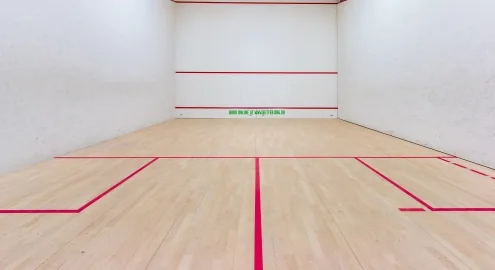
Kensington Leisure Centre
London · 40-minute slots
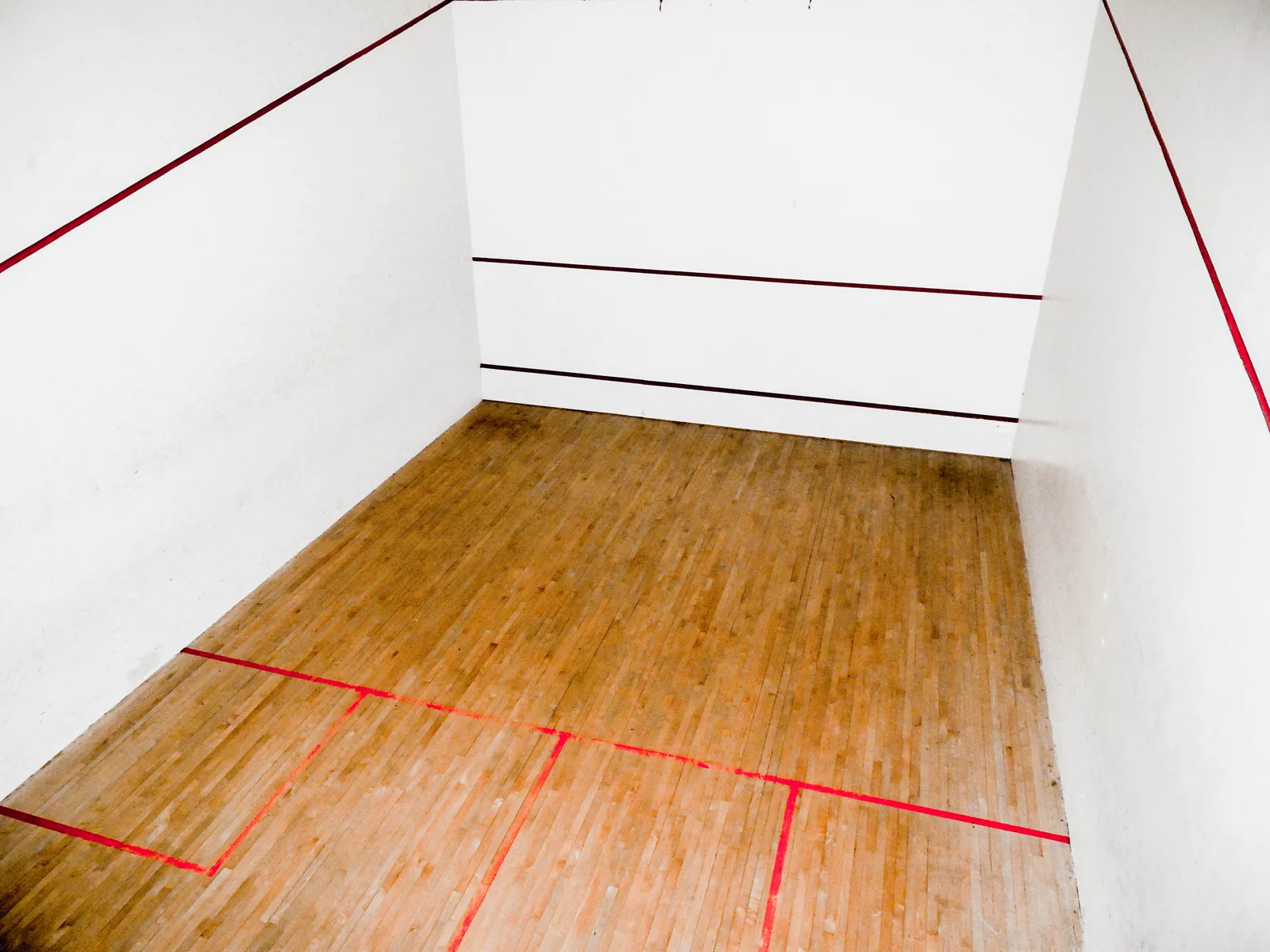
Keynsham Leisure Centre
Bath · Casual bookings
The rules you need on day one
You can learn the rest later. These are enough for a first game:
- The ball must hit the front wall above the tin (the low strip at the bottom) and below the top red line, called the out-line.
- It can hit the side and back walls on the way, before or after the front wall.
- You must hit it before it bounces twice on the floor.
- Players hit alternately. You can hit anywhere in the court.
- To serve, stand with one foot in a service box and hit the ball to the front wall above the middle line, so it lands in the back quarter on the other side.
- Whoever wins the rally scores a point and serves next. First to 11 wins the game.
Our guides to squash rules, squash scoring and how to serve cover each point properly.
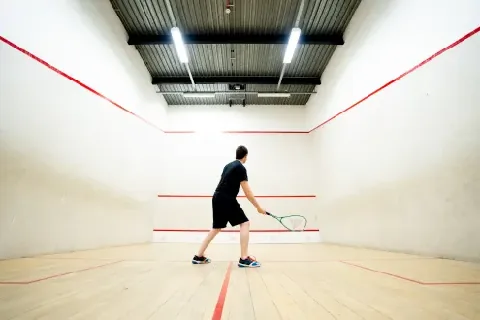
Common first-game mistakes
- Standing too close to the ball. Give yourself room to swing. Most beginners crowd the ball and hit it off the frame.
- Swinging too big. A short, compact swing is safer and more accurate. A wild follow-through can catch your partner.
- Watching your shot. After you hit, move back towards the middle of the court rather than standing still to admire it. Our guide to the T position explains why.
- Playing on when someone is in the way. Stop and replay the point. It is called a let and nobody minds.
- Going too hard too soon. Squash is intense. Take breaks between games and drink water. If you have not exercised for a long time, build up gradually and see a doctor first if you have a heart condition.
The unwritten rules matter too: wait for a rally to end before opening the door, and leave on time. Squash etiquette covers them.
After your first game
Expect sore legs the next day, especially the thighs and backside from lunging. That is normal. If you enjoyed it, book the same slot next week, look for a beginners' session or club night, or book a lesson. Squash for beginners has a plan for the first few months. Cities with the most leisure centre squash courts in our directory:
FAQ
Can you play squash for the first time without lessons?
Yes. Two beginners can book a court, hire rackets and enjoy a game. A lesson or beginners session helps you improve faster but is not needed to start.
How long should a first squash game last?
A standard 40 or 45-minute court booking is plenty. Most beginners are tired after about 30 minutes of play.
Which squash ball should a beginner use?
A red-dot or blue-dot beginner ball, which is slightly larger and bouncier. The double-yellow-dot ball is made for strong players and barely bounces for beginners.
Do I need my own racket for my first game?
No. Most leisure centres hire rackets for a pound or two, and some include a ball.