Let or stroke? Interference in squash explained
 By the Find My Squash Court team·
Updated ·
6 min read

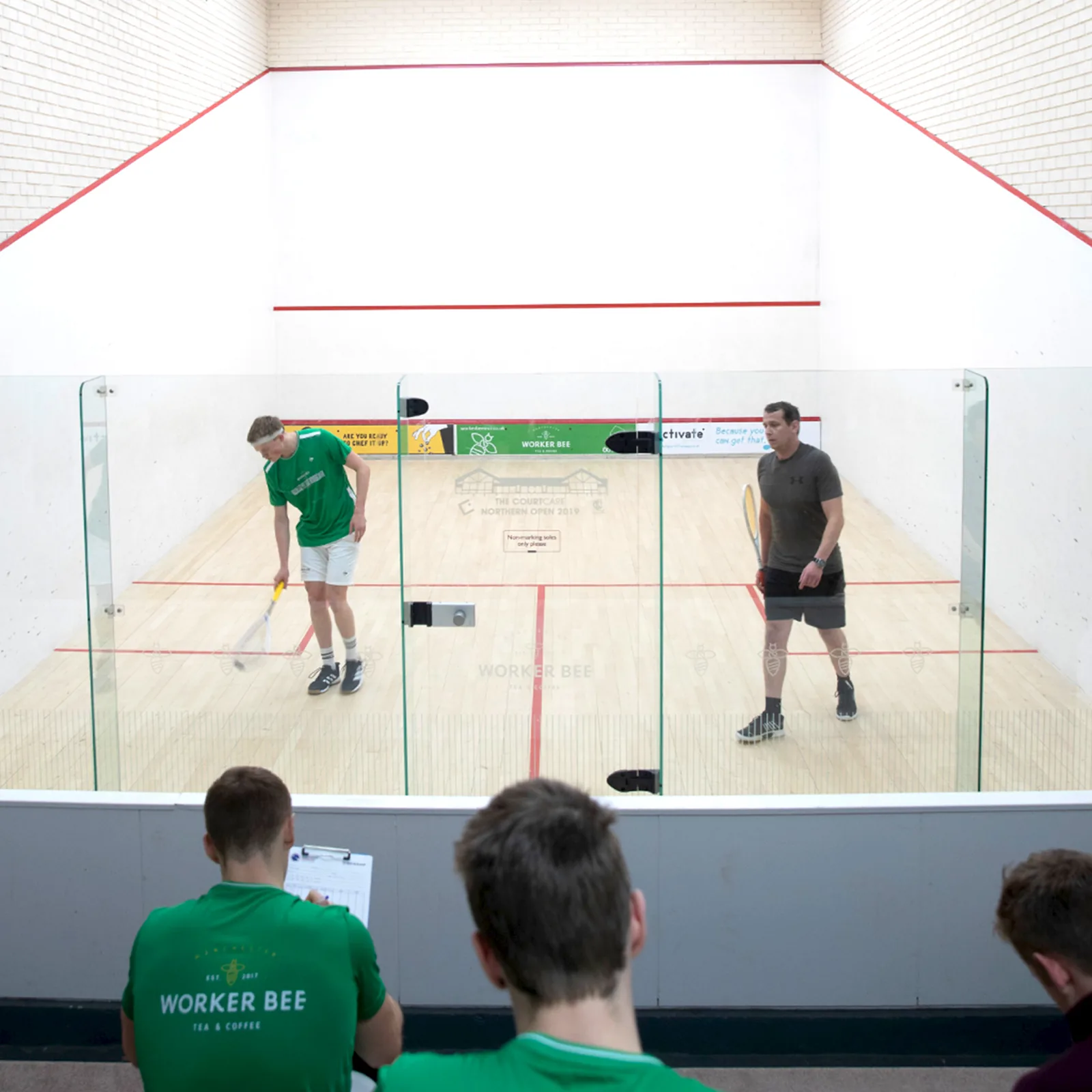
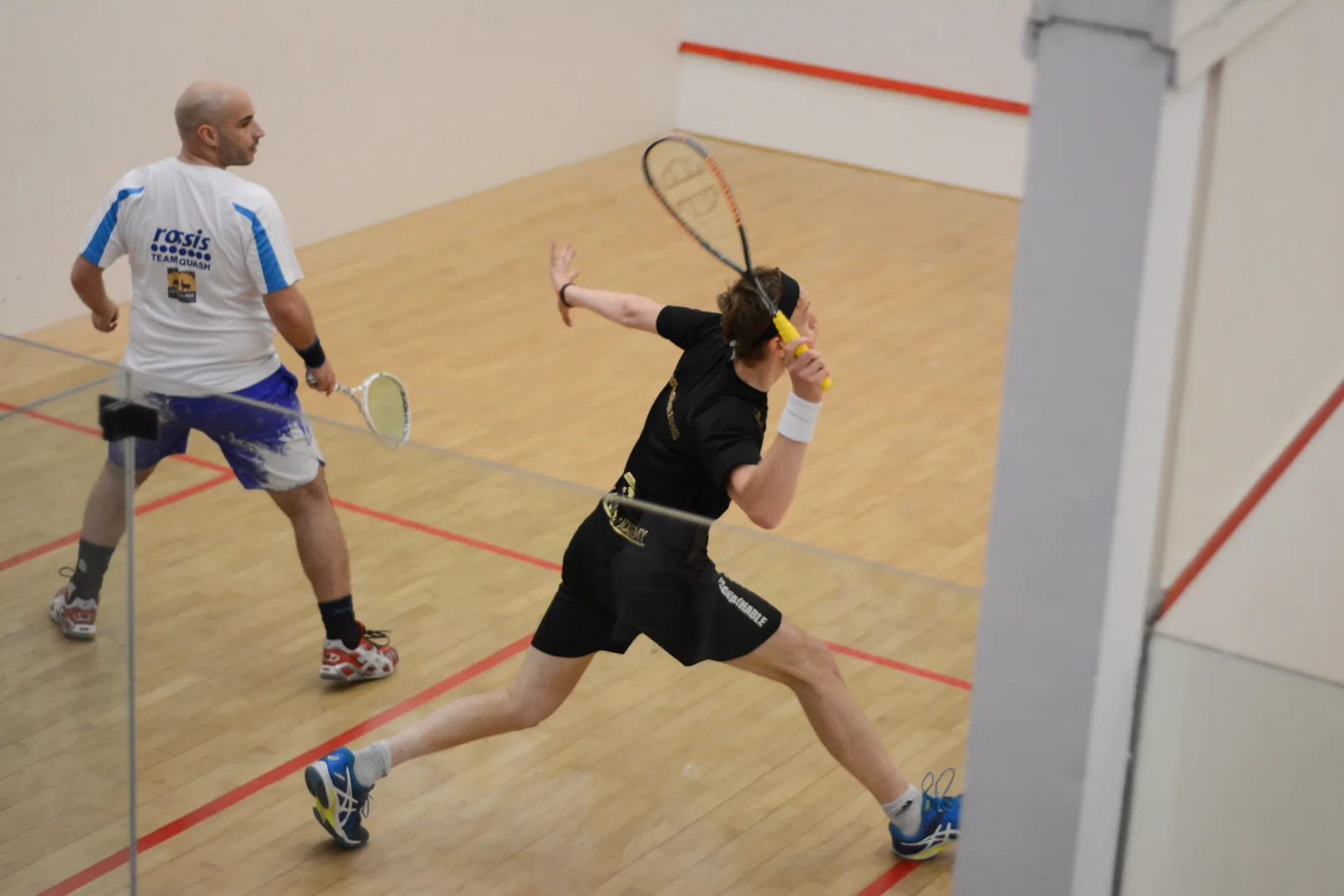
Squash is two players sharing a small box, so they get in each other's way all the time. The interference rule decides what happens then: the rally is replayed (a let), the player who was blocked wins the point (a stroke), or play stands (no let).
The short answer
A let means the rally is replayed with no point scored. A stroke means the player who was obstructed wins the point. Under World Squash Rule 8, a let is given when your opponent got in your way despite making every effort to clear, and you could have made a good return. A stroke is given when you could have made a good return but your opponent did not make every effort to clear, when your swing was prevented, or when you would have hit a winner. If you could not have reached the ball, or the interference was minimal, it is no let.
What your opponent must give you
Rule 8.1 says that after a reasonable follow-through, a player must make every effort to clear so the opponent has four things when the ball comes back off the front wall:
- A fair view of the ball, with time to see it and prepare.
- Access to the ball, a clear path to get to it.
- Space for a reasonable swing: a normal backswing, strike and follow-through.
- Freedom to hit the ball to any part of the front wall.
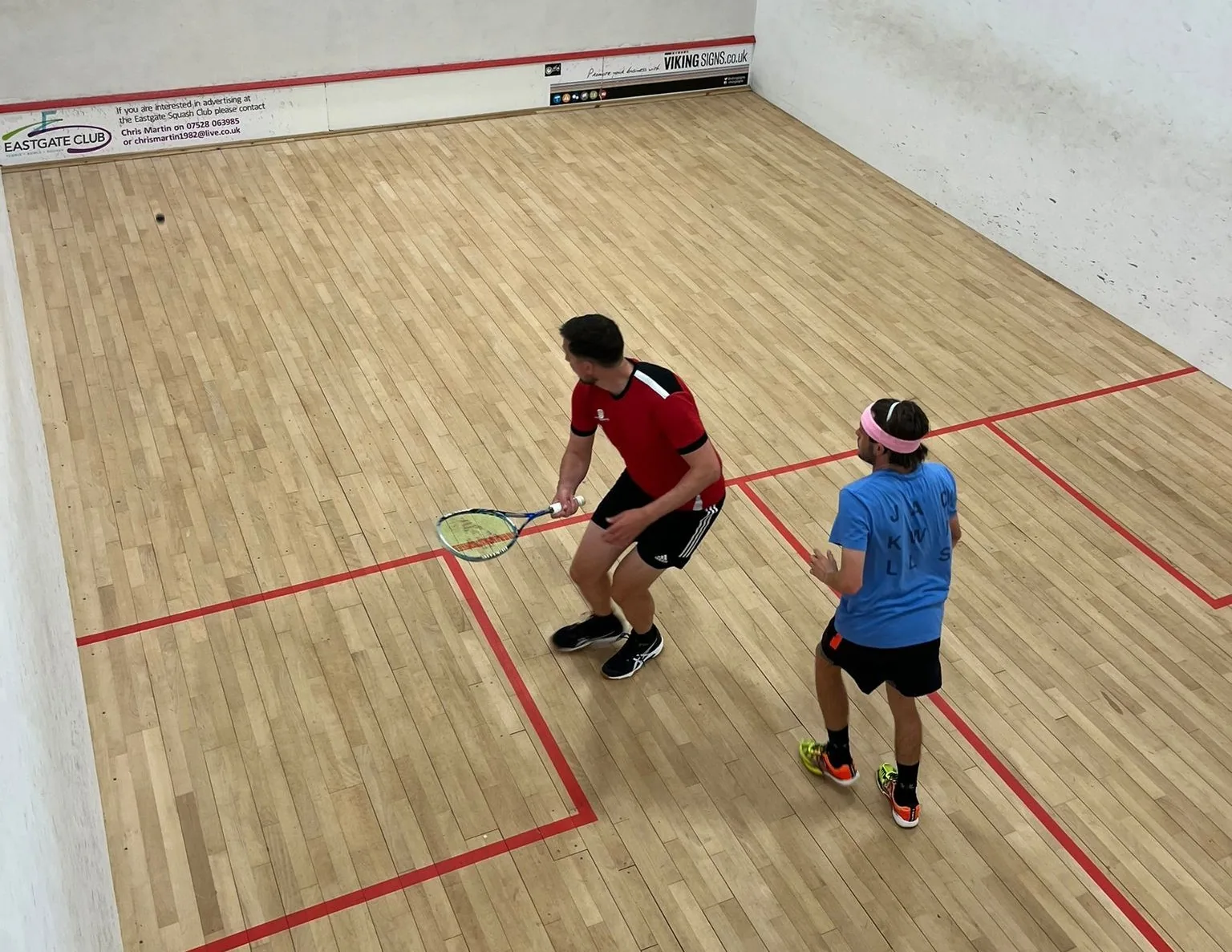
Interference is any failure to give you one of these while you are making every effort to play the ball. Whether it is a let or a stroke then depends on two questions: could you have made a good return, and was your opponent doing everything they could to get out of the way?
Let, stroke or no let
Rule 8.6 sets out the general decisions. In plain terms:
- No let if there was no interference and no reasonable fear of injury; if you could not have made a good return anyway; if you played on past the interference and only then asked; or if the interference was minimal and did not stop you seeing and reaching the ball.
- Let if there was interference that your opponent was making every effort to avoid, and you could have made a good return.
- Stroke if you could have made a good return and your opponent was not making every effort to avoid the interference, or if you would have hit a winning return.
Two special cases come up constantly. If your swing was actually prevented by your opponent's position, it is a stroke even if they were trying to clear (Rule 8.9.2). If your swing could merely have been affected, it is a let, unless you would have hit a winner.
Every effort cuts both ways. You must also make every effort to get to the ball. If you stop early, or take a path into your opponent when a clear one was open, the referee will usually say no let.
Common situations
| Situation | Usual decision |
|---|---|
| Opponent is slow to clear after a loose shot down the middle | Stroke |
| Opponent tries to clear but you brush them on the way to the ball, which you would have reached | Let |
| Your opponent stands where your racket would swing through | Stroke |
| Your shot would have hit your opponent on its way straight to the front wall | Stroke (let if you had turned or were making a second attempt) |
| The ball would have hit your opponent, then a side wall, before the front wall | Let, or stroke if it would have been a winner |
| You were wrong-footed, recovered, then met your opponent | Let, or stroke if you would have hit a winner |
| You turned, when you could have played the ball without turning, to look for a let | No let |
| You used an exaggerated swing to make contact | Let if there was real interference; no let if your swing caused it |
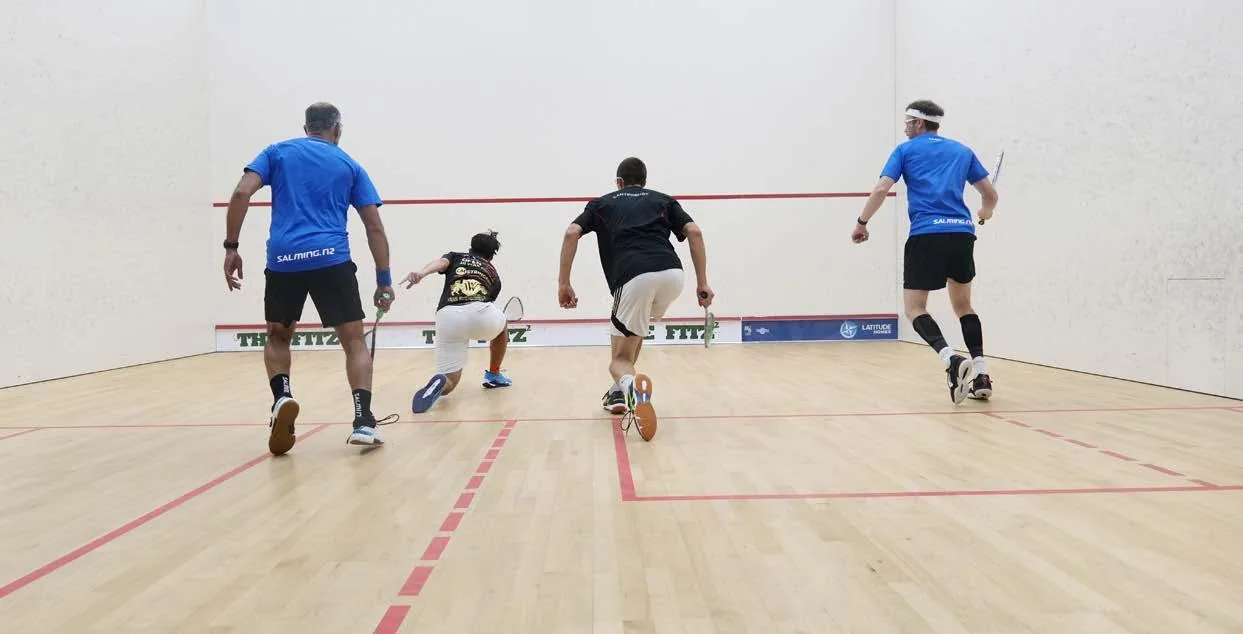
Christchurch Squash Club
Christchurch · Doubles courts
Rossis Leisure
Norwich · Glass-back courts
Club Kelburn (Club K)
Wellington · 7 courts
When the ball hits a player
Rule 9 covers a ball that strikes a player. If your shot hits your opponent on its way to the front wall:
- If it would not have been a good return, your opponent wins the rally.
- If it was going directly to the front wall and you had not turned, you win a stroke.
- If it would have hit another wall first, it is a let, or a stroke if it would have been a winner.
- If you had turned, your opponent wins the stroke, unless they moved deliberately to block the ball.
If the ball hits you, the striker, without any interference, you lose the rally. The rules also tell referees to consider whether hitting an opponent was deliberate or dangerous. Our guide to whether squash is dangerous covers the injury risks.
How to ask for a let
Stop and say "Let, please" without undue delay. A request for a let includes a request for a stroke, so you do not ask for a stroke by name. In refereed matches the referee replies "Yes, let", "No let" or "Stroke to" a player, and the marker repeats the decision before calling the score. See squash referee calls for the full list.
Timing matters. If you play on past the interference and then ask, the answer is no let. If you hit the ball and then your opponent asks for a let but your shot goes down or out, your opponent wins the rally.
Lets without a referee
Most club and social squash has no referee, so the players decide. A few habits keep this friendly:
- When in doubt, play a let. Replaying a point costs nothing.
- The player who was in the way should offer a stroke when they clearly blocked a good shot. Club players respect this.
- Stop whenever you might hit your opponent with the ball or racket. Safety comes before the point.
- In box leagues and club matches, a third player can referee if you keep disagreeing.
Squash etiquette and squash rules cover the rest of the game. Cities with the most squash leagues in our directory, where these calls come up every week:
FAQ
What is the difference between a let and a stroke in squash?
A let means the rally is replayed and nobody scores. A stroke means the player who was obstructed wins the rally and the point.
Can you ask for a stroke in squash?
You ask for a let by saying let, please. Under the World Squash rules, a request for a let includes a request for a stroke, and the referee decides which applies.
What does no let mean?
The referee has refused your request. The rally stands as finished, so the player who asked loses the point.
Is it a stroke if the ball hits my opponent?
Only if the ball was going directly to the front wall, would have been good, and you had not turned. If it would have hit a side wall first, it is usually a let.