How many people play squash?
 By the Find My Squash Court team·
Updated ·
4 min read
Squash is a small sport next to football or tennis, but it is played in a surprising number of countries. The numbers are rougher than most people expect, so here is what the main figures say and where they come from.
The short answer
The figure most often quoted is about 20 million players in more than 185 countries. It is a broad estimate rather than a count, and World Squash's own website now speaks of courts rather than players: about 50,000 courts in nearly 200 nations. National figures are smaller and more precise: when Sport England announced funding for squash in 2013, about 263,000 people in England played regularly, after five years of gradual decline, and the sport was nearly 90% male. Squash is strongest in England, Egypt, Australia, New Zealand, Malaysia and the United States, and its Olympic debut at LA 2028 is expected to bring new players.
The global figure
The number you will see most often is about 20 million people in more than 185 countries. It is usually credited to the World Squash Federation and is repeated in encyclopedia entries, but the federation's current website does not state it. Its history page instead says that by the new millennium about fifty thousand courts were in use in nearly two hundred nations, and its About page gives a membership of 115 national federations.
Treat it as an order of magnitude. Few national bodies run regular, comparable surveys, and "plays squash" can mean anything from weekly league matches to a few games a year. What the figure does show is spread: squash has national federations on every continent, which helped its case for the Olympics.
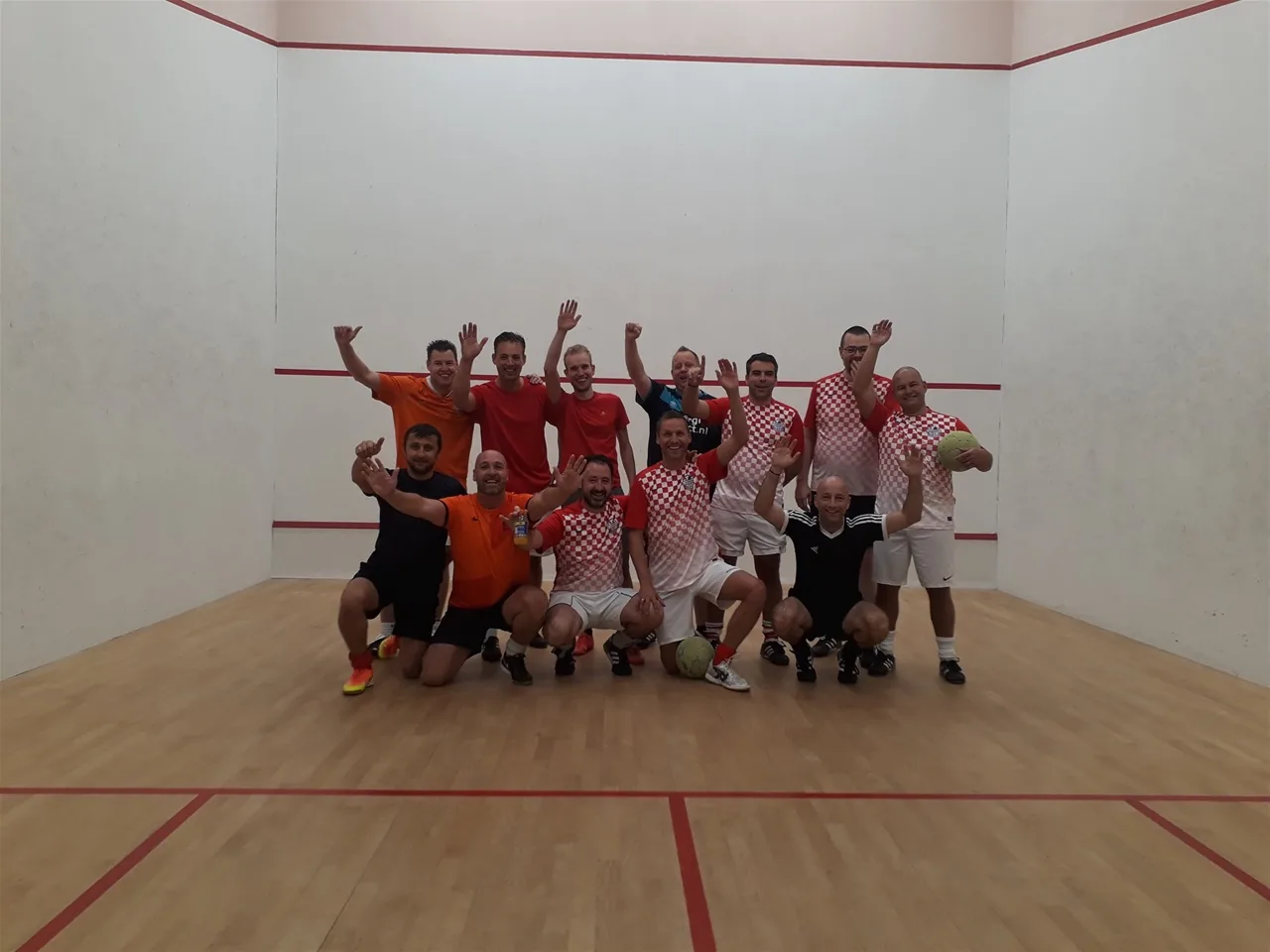
Where squash is played most
Squash is concentrated in countries with a British sporting link, plus a few others where it took hold on its own.
- England has one of the largest networks of courts and the oldest club network.
- Egypt has led the professional game since the 2010s, with clubs in Cairo and Alexandria producing world champions.
- Australia and New Zealand had a squash boom in the 1970s and 1980s and still have strong club scenes, pennant leagues and dedicated squash centres.
- The United States has grown fast, driven by schools, colleges and urban squash programmes.
- Malaysia, Pakistan, India, Hong Kong and Canada have long squash traditions and strong national teams.
- Western Europe, especially France, Germany, the Netherlands and Switzerland, has a smaller but steady player base.
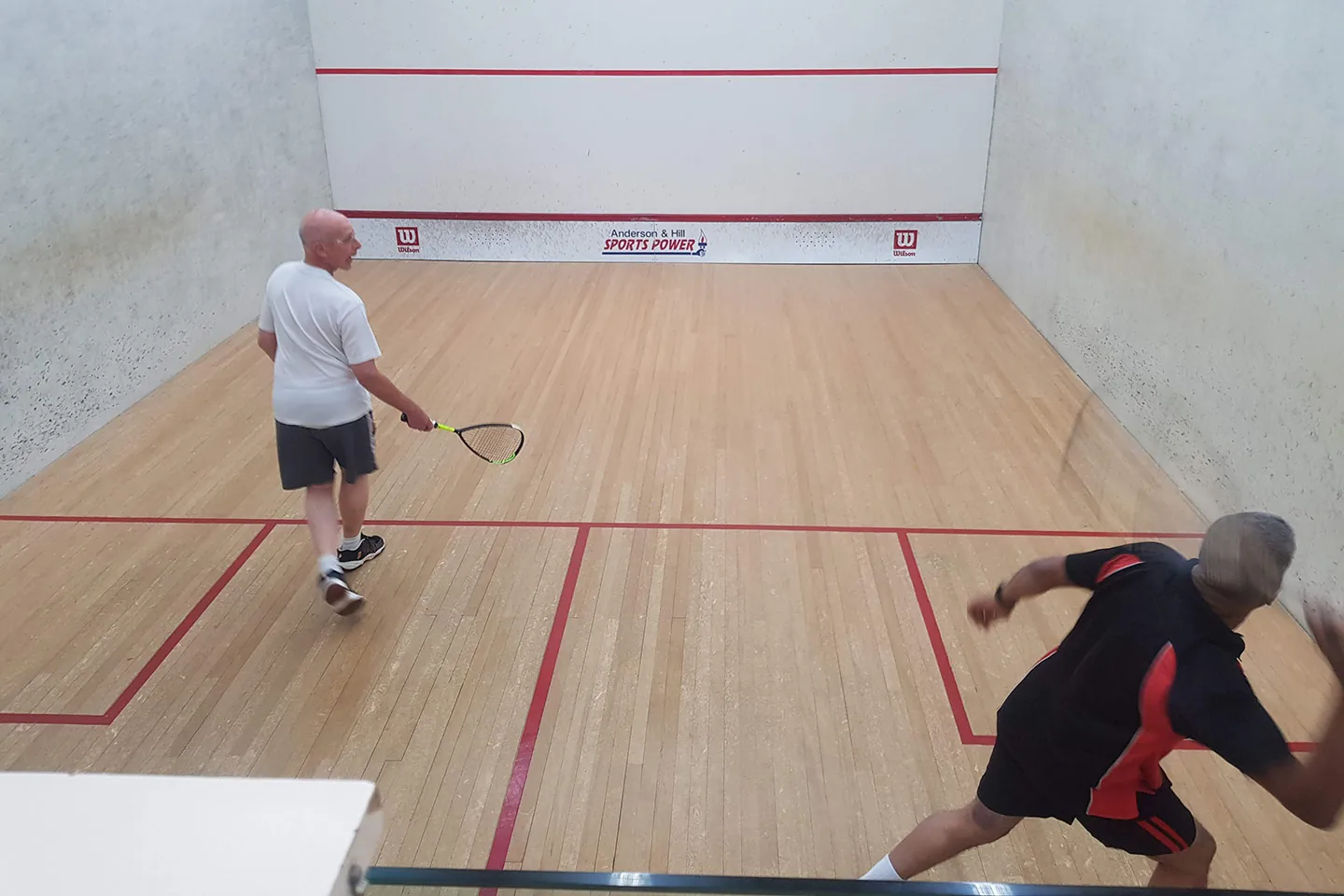
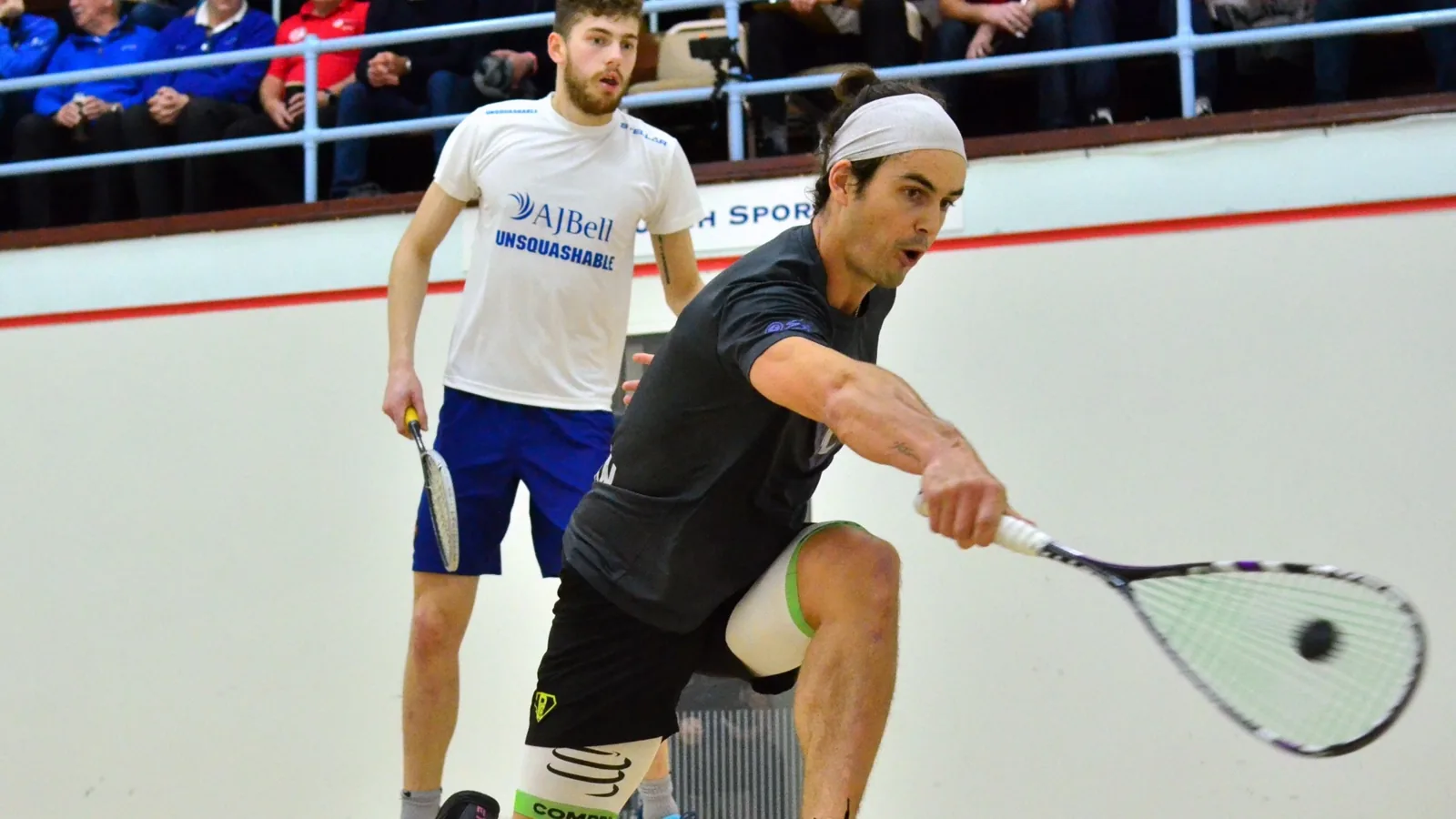
Christchurch Football Squash Club
Christchurch · Four glass-back courts

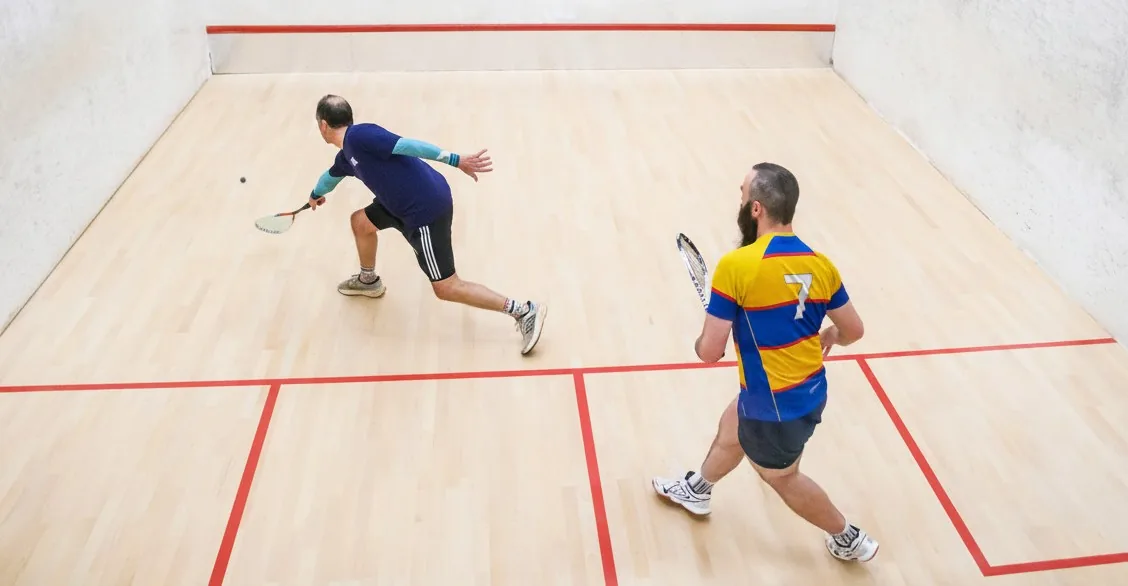
Mutch Park Tennis + Squash
Sydney · Council squash centre
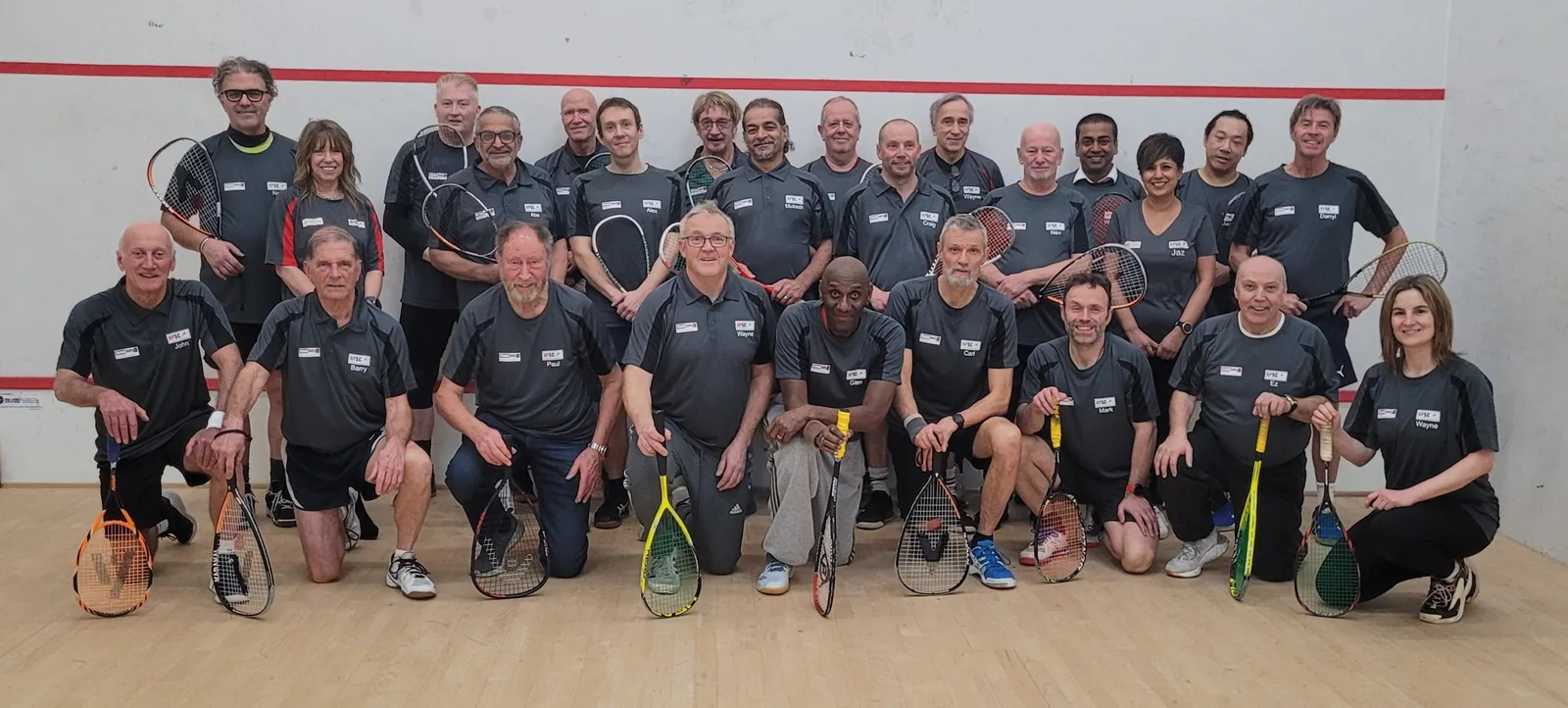
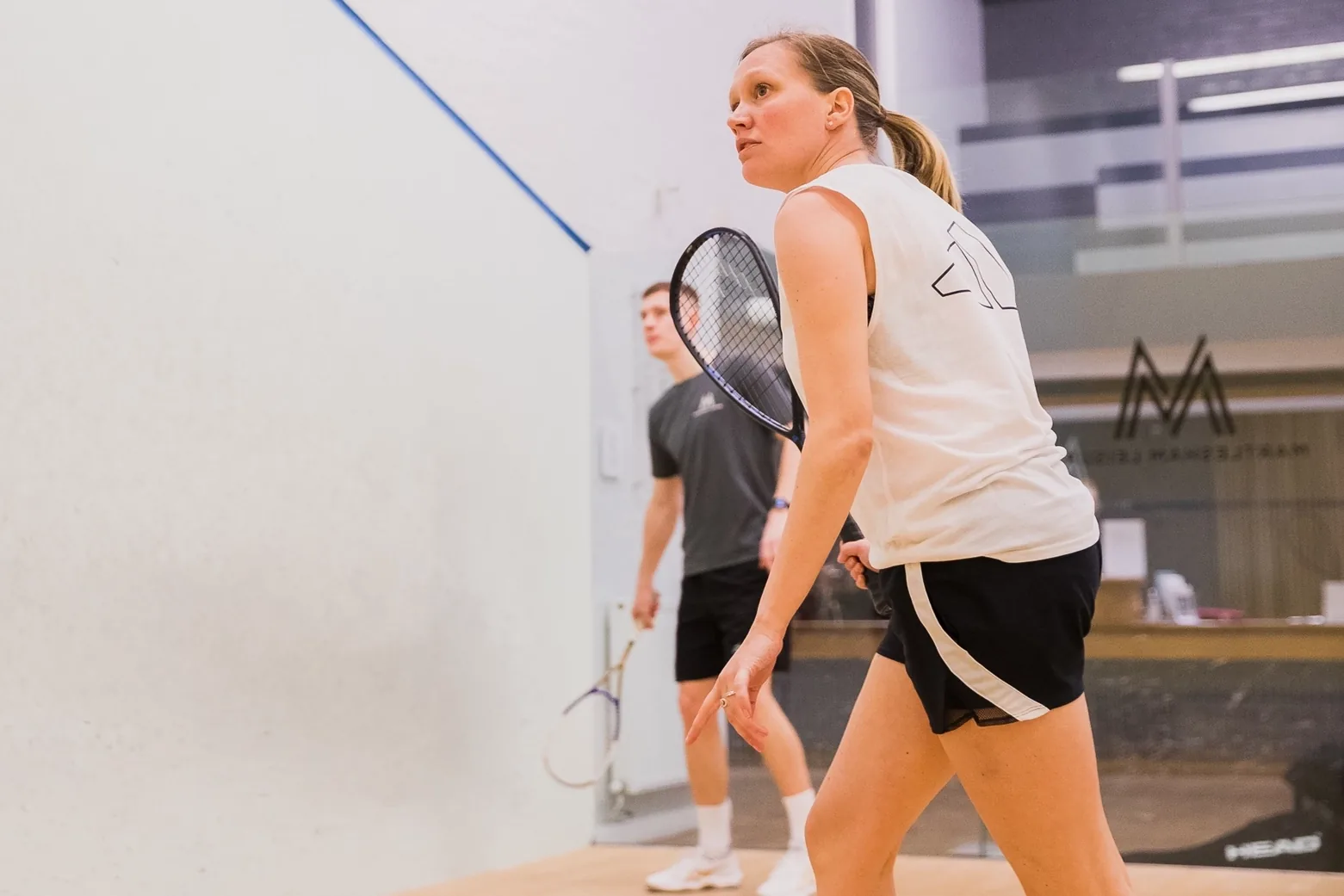
New Parks Leisure Centre
Leicester · Five squash courts
Squash in England and the UK
England's numbers come from Sport England's surveys of adult activity. In November 2013, when Sport England announced £13.5 million for squash and racketball, the figures reported with the award were about 263,000 regular players, a slow fall over the previous five years with the biggest drop among 35 to 44-year-olds, and a sport that was nearly 90% male.
Those numbers count regular players only. Many more people book a court a few times a year, and racketball (now called Squash 57) adds players who might not call themselves squash players. Scotland, Wales and Northern Ireland each have their own governing bodies and smaller player bases.
The bigger story in the UK is courts. Some leisure operators have replaced squash courts with gyms and studios, which earn more per square metre. Clubs, universities and some councils have kept or refurbished theirs. Our directory lists the ones still open, and our guide to leisure centre squash explains how to use them.
Why the figures vary. Different surveys count different things: playing at least once a month, twice in 28 days, once a year, or being a club member. Always check what a number means before comparing countries or years.
Growing or shrinking?
The honest answer is: it depends where you look. Squash peaked in the UK and Australia in the 1980s, then lost ground as gyms and five-a-side football grew. Since then:
- Club squash in the UK has been fairly stable, with box leagues, social nights and racketball keeping members playing.
- Junior and college squash in the United States has expanded.
- Egypt has turned squash into a mass sport for young people.
- Olympic inclusion for LA 2028 opens doors to national sports funding in many countries.
Padel is the new competitor for court space and players in Europe. Our squash vs padel guide compares the two.
Who plays squash
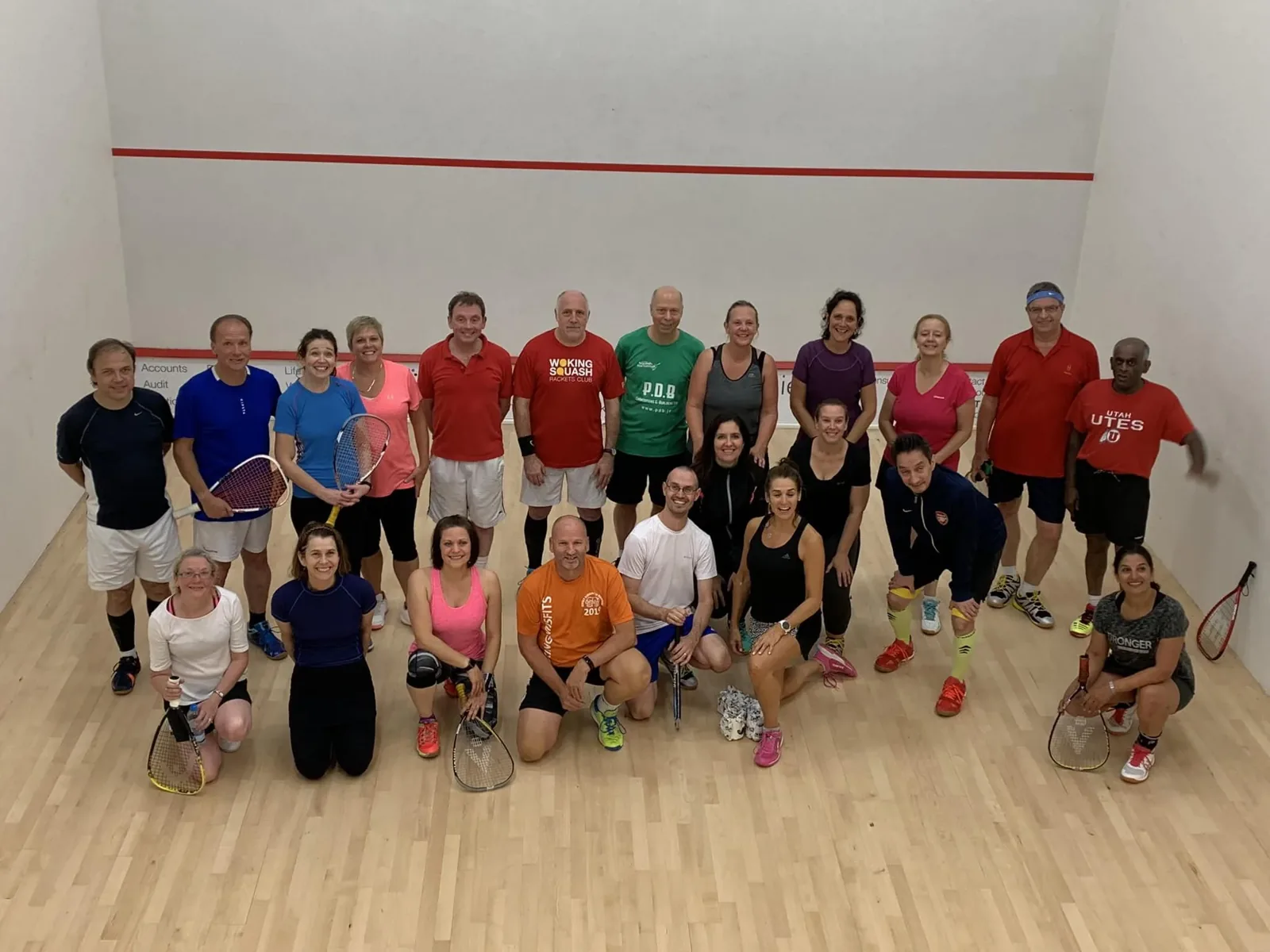
The typical club player in the UK is male and over 35, but that picture is changing. Clubs run women-only sessions and junior programmes, and racketball has brought in older players. Squash is also popular with students: most UK universities have courts and clubs.
If you are wondering whether you will find people to play with, the answer is almost always yes. Most clubs run box leagues and social nights, and our guide to finding a squash partner lists other ways in.
FAQ
How many people play squash in the world?
The figure usually quoted is about 20 million players in more than 185 countries. It is a rough estimate, not a count, and World Squash itself now cites about 50,000 courts in nearly 200 nations.
How many people play squash in the UK?
Figures reported with the 2013 Sport England funding award put regular players in England at about 263,000. Newer figures are published in its Active Lives survey, and the rest of the UK reports separately.
Which country plays the most squash?
England has one of the largest networks of courts and players. Egypt has led the professional game since the 2010s.
Is squash a dying sport?
No. Numbers fell from a 1980s peak in places like the UK and Australia, but the sport is stable in clubs, growing in the US and Egypt, and joins the Olympics in 2028.