Women's squash: clubs and leagues
 By the Find My Squash Court team·
Updated ·
4 min read
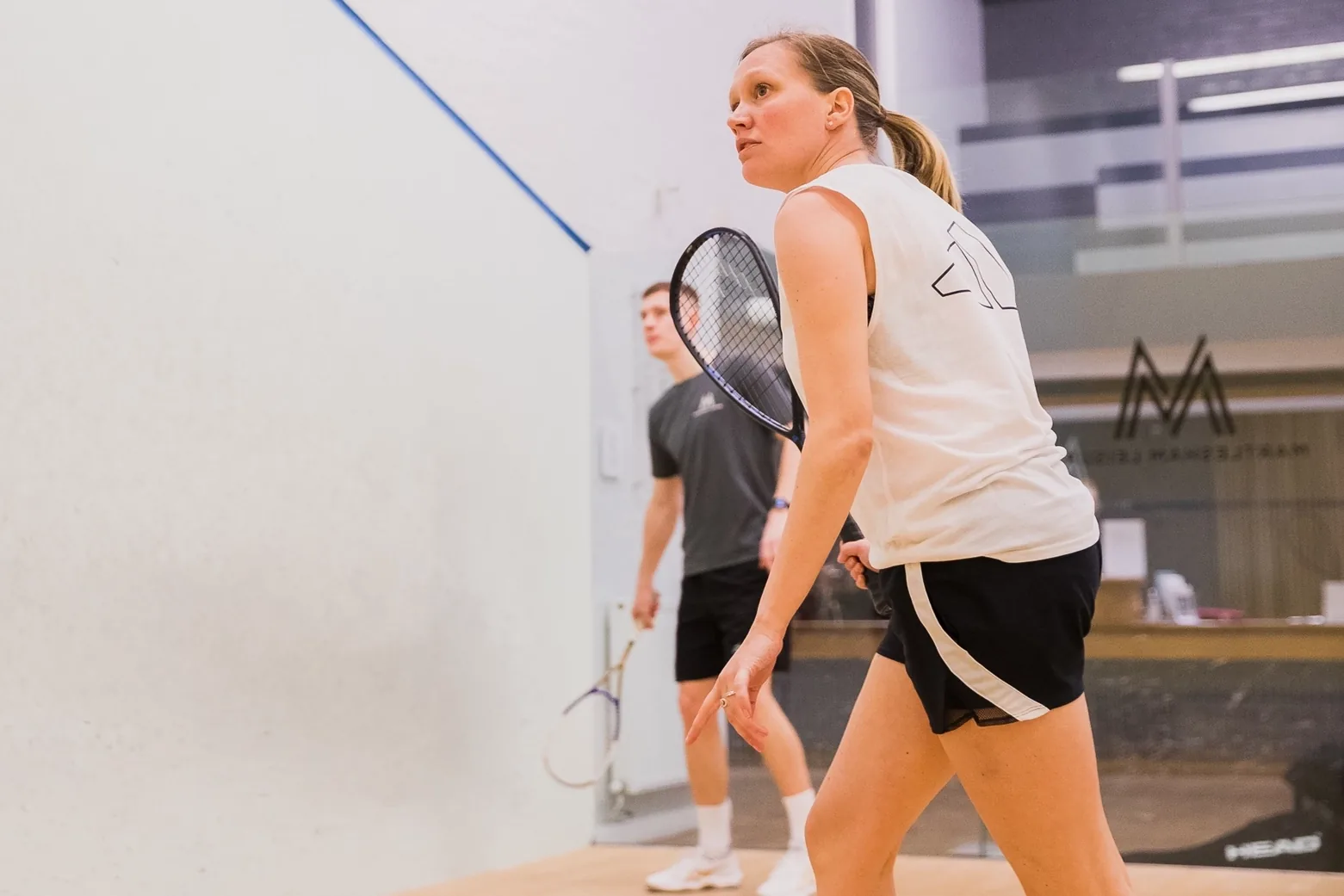
Most squash clubs are still mostly men, which can make the first visit feel daunting. But women's squash has a long history, a strong professional game and a growing number of women-only sessions and leagues. Here is how to find them.
The short answer
Women's squash is played to the same rules, on the same courts, with the same scoring as men's. Most clubs welcome women players, and many run women-only club nights, beginner courses, social sessions and box leagues. Ask the club's coach or membership secretary what is on, or look for women's teams in local leagues. The professional women's tour is one of the strongest in any racket sport, and women's singles is one of the two squash events at the LA 2028 Olympics.
Getting started
The easiest way in is a group session where everyone is new, rather than booking a court with one friend and hoping for the best. Look for:
- Women-only beginner courses. Usually four to six weekly sessions with a coach, rackets and balls provided.
- Women's club nights. Social squash where the coach or a club captain mixes players up and runs short games.
- Racketball sessions. The bigger, bouncier ball gives longer rallies from the start. Many women start with racketball and move on to squash.
- Adult lessons. A few one-to-one or small group sessions help with grip, swing and movement. See squash lessons for adults.
If you have never played, our guide to squash for beginners covers the basics.
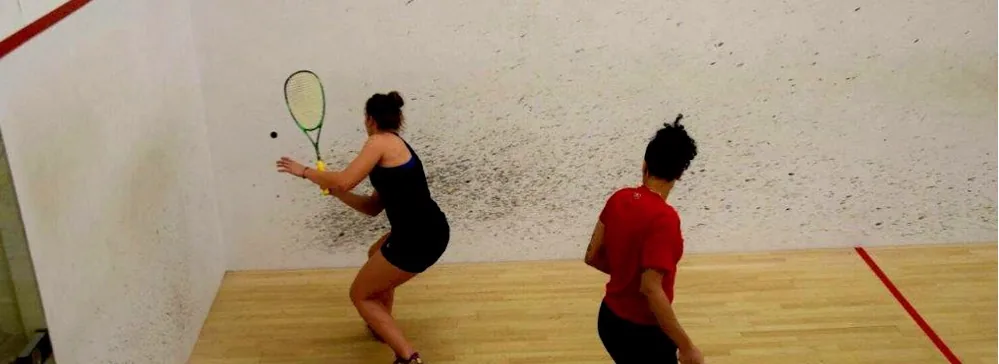
What to look for in a club
Most clubs say they welcome women. The good ones show it. Signs that a club takes women's squash seriously:
- A named women's captain or women's section on the committee.
- Regular women's sessions on the club calendar, at times that suit people who work.
- Women's teams in county, regional or pennant leagues.
- Female coaches, or coaches who run mixed sessions well.
- Clean, separate changing rooms and showers.
- Box leagues that mix men and women by level, so you always have someone of your standard to play.
Ask to watch a club night before joining. A good club will introduce you to a few people and find you a game. Our guide to squash club membership explains costs and what you get.
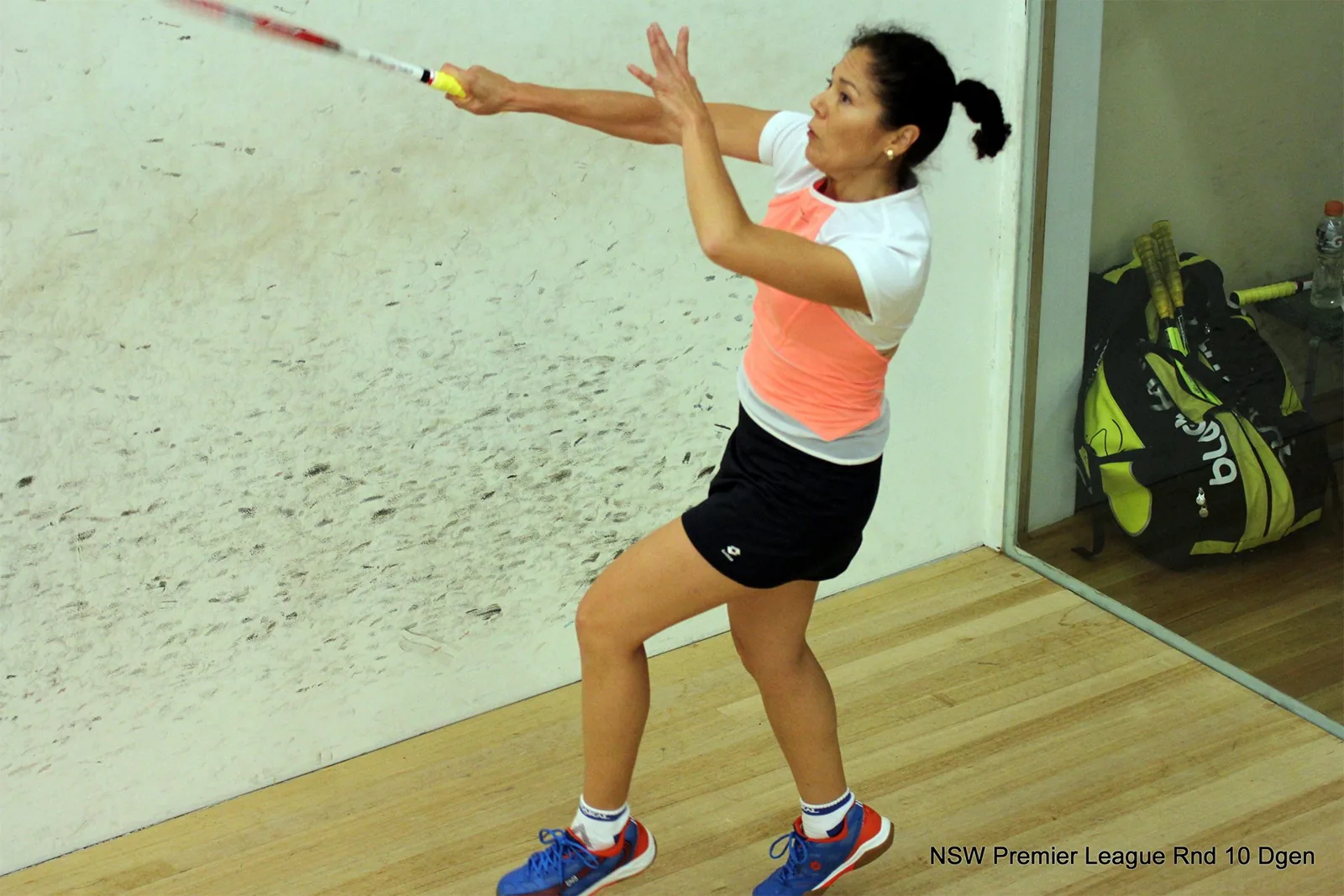
Dgen Squash
Sydney · Glass-back courts
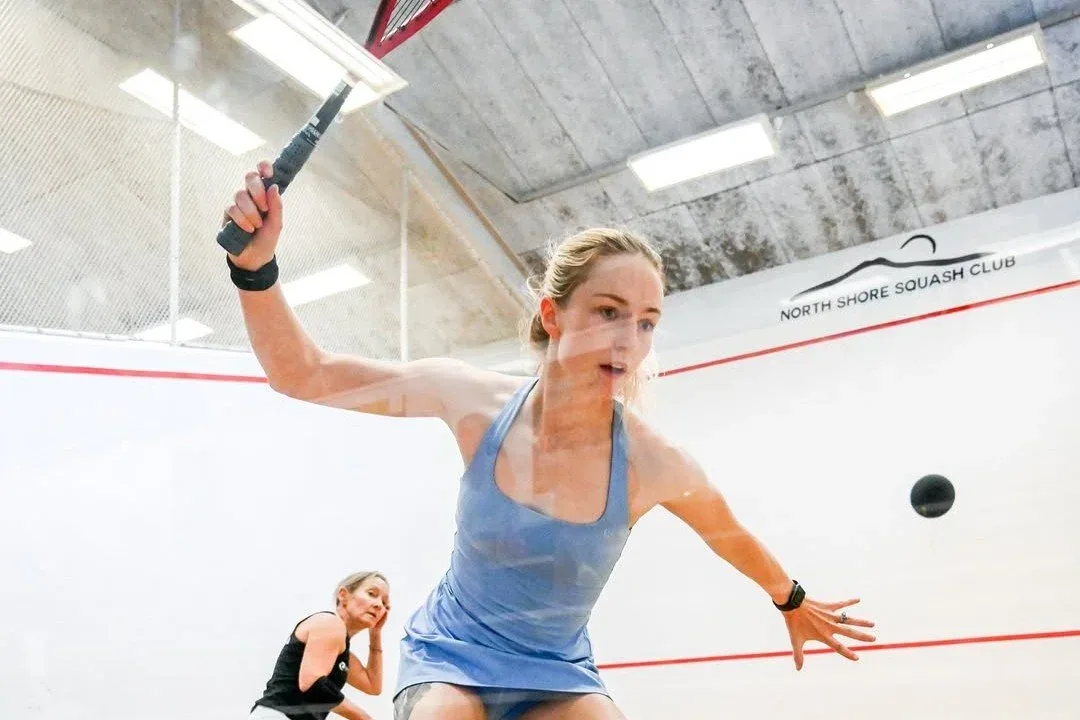
North Shore Squash Club
Auckland · Seven squash courts
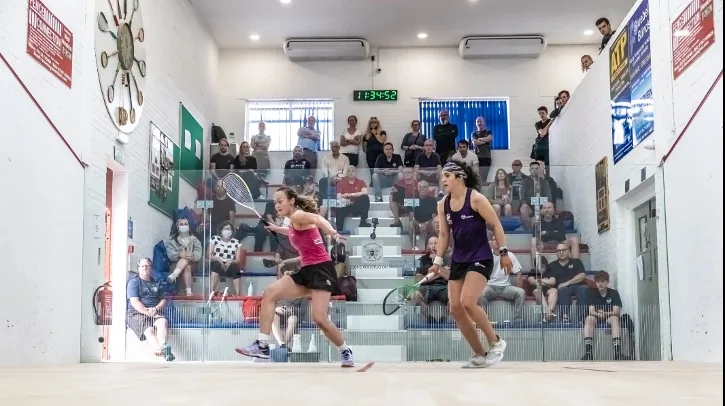
City of Peterborough Squash and Racketball Club
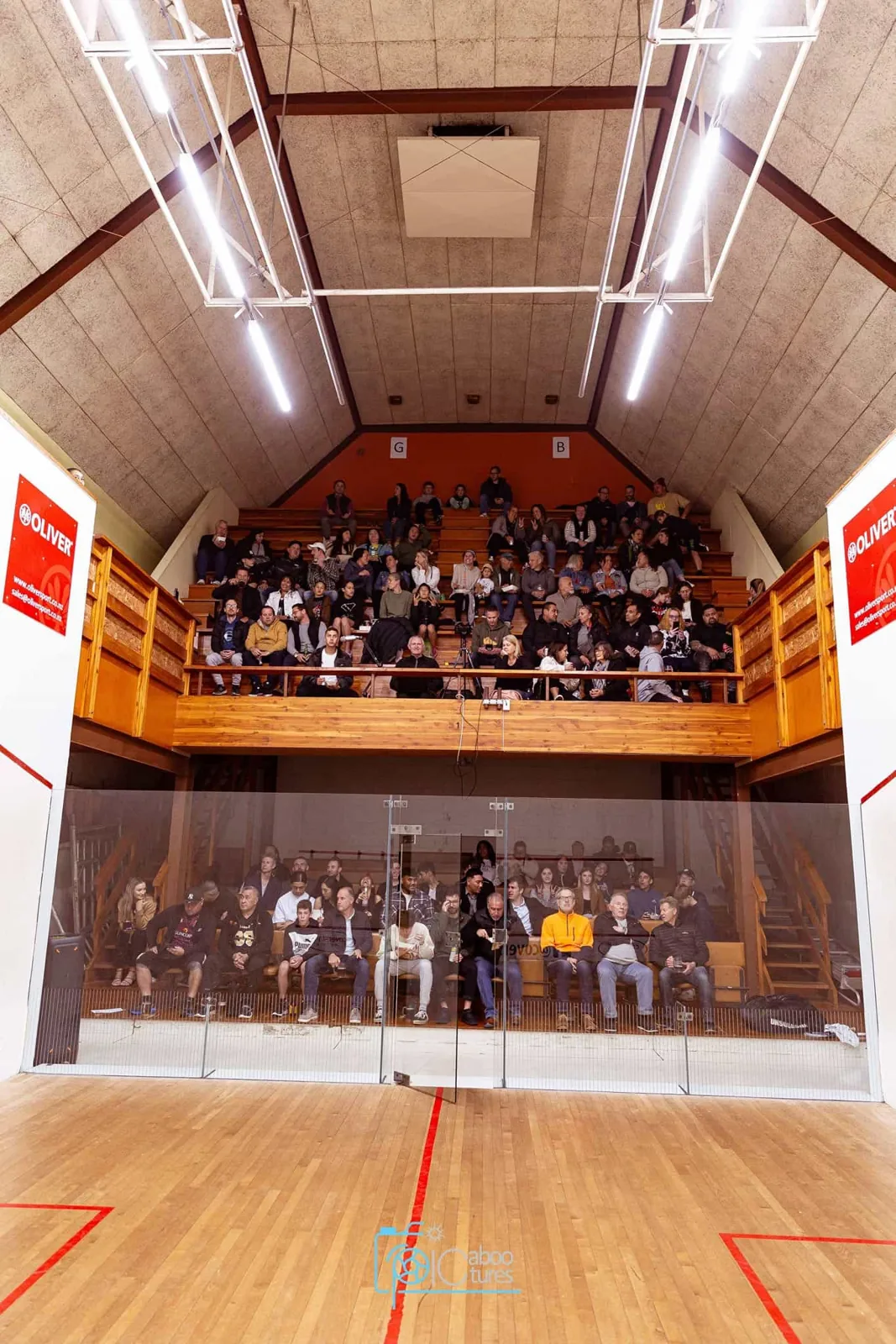
Peterborough · Glass-backed show court
Leagues and competition
Once you can keep a rally going, leagues are the best way to play regularly.
- Club box leagues. Small groups of four to six players of similar standard, playing each other over a month. Many are mixed. See squash box leagues.
- Women's team leagues. Most English counties run women's divisions. In Australia, pennant competitions have women's grades, and in New Zealand interclub leagues include women's teams.
- Mixed team leagues. Some leagues allow mixed teams, which is a good way into competitive squash if your club has only a few women.
- Masters. Women's age-group events start at 35, and masters squash is a lively scene.
Our guide to joining a squash league explains how to get on a team.
The professional game
Women's squash has a longer championship history than men's. The women's British Open began in 1921, nine years before the men's. Australia's Heather McKay won it 16 times in a row from 1962 to 1977 and is often named the greatest player of all time. Malaysia's Nicol David won eight world titles and spent years as world number one.
Since the 2010s the women's tour has been led by Egyptian players. The Professional Squash Association runs men's and women's events together at most big tournaments, so you can usually watch both on the same streams. At Los Angeles 2028, women's singles is one of two squash medal events, with a 16-player draw. See squash at the 2028 Olympics.
Squash is still mostly male. In 2013 Sport England said squash players in England were nearly 90% male. That makes women's sessions, leagues and coaches more important, and it means clubs that want to grow are usually keen to welcome new women players.
Kit and comfort
You need non-marking indoor court shoes, comfortable sportswear and a racket. Most clubs lend rackets for beginner sessions. A supportive sports bra matters more than in many sports because of the lunging and sudden changes of direction. Our guides to what to wear for squash and squash shoes go into the details, and a lighter racket helps many newer players.
Eye guards are worth wearing from the start. They are compulsory for juniors and in doubles.
Where to play
Every club and leisure centre in our directory is open to women. Clubs tend to have the most women's sessions, teams and leagues, so start there.
Cities with the most squash clubs in our directory:
FAQ
Are the rules different in women's squash?
No. Women play the same rules, scoring and court as men.
How do I find women's squash near me?
Ask local clubs about women-only sessions, beginner courses and women's teams. County and state squash associations also list women's leagues.
Can women play in mixed squash leagues?
Yes. Most club box leagues are mixed and sorted by level, and many team leagues allow mixed teams.
Who is the best female squash player of all time?
Heather McKay of Australia is the usual answer. She won 16 British Open titles in a row and was unbeaten for nearly two decades.